Sustainability in Commercial Real Estate Strategies, Benefits, and Real-World Applications
Sustainability in commercial real estate has become one of the most significant shifts in the property sector over the last decade. Businesses, investors, and developers are increasingly prioritizing eco-friendly practices not only to reduce environmental impact but also to enhance long-term profitability. From green building certifications to the use of smart technologies, sustainable practices in commercial properties are reshaping how investors, tenants, and governments approach the built environment.
This article explores the core aspects of sustainability in commercial real estate, its benefits, the role of technology, and real-world examples that demonstrate its practical impact.
What is Sustainability in Commercial Real Estate?
Sustainability in commercial real estate refers to the design, construction, operation, and maintenance of buildings with a focus on minimizing environmental impact while maximizing energy efficiency and resource management. It goes beyond green architecture by considering social responsibility, governance standards, and economic resilience.
This approach involves integrating renewable energy, sustainable materials, water-saving technologies, and waste-reduction systems into commercial properties. For investors, sustainability also means ensuring long-term asset performance, tenant satisfaction, and compliance with evolving environmental regulations.
Why Sustainability Matters in Commercial Real Estate
The real estate sector is responsible for nearly 40% of global carbon emissions, making sustainability a critical area for change. Commercial buildings, in particular, consume significant amounts of energy for heating, cooling, and lighting. By adopting sustainable practices, developers and investors can help reduce this environmental footprint while reaping financial and social benefits.
Moreover, tenants are increasingly looking for properties that align with their corporate social responsibility (CSR) goals. Sustainable buildings attract high-quality tenants, improve employee well-being, and enhance brand reputation. From a regulatory standpoint, many governments are also introducing stricter guidelines for energy efficiency, meaning early adopters gain a competitive advantage.
Key Elements of Sustainable Commercial Properties
Energy Efficiency
Energy efficiency is at the heart of sustainable real estate. Properties equipped with smart HVAC systems, LED lighting, and advanced insulation reduce energy waste, lower utility costs, and minimize carbon footprints.
Renewable Energy Integration
The use of solar panels, wind turbines, and geothermal systems is becoming increasingly common in commercial buildings. These not only cut reliance on fossil fuels but also provide long-term cost savings.
Sustainable Materials
From recycled steel to low-VOC paints, sustainable materials ensure that the environmental impact of construction is minimized. These materials also improve indoor air quality and reduce waste.
Water Conservation
Commercial properties with rainwater harvesting systems, greywater recycling, and low-flow fixtures significantly reduce water usage, addressing one of the most critical environmental challenges.
Smart Building Technologies
Automation systems for lighting, heating, and cooling help optimize building performance. Internet of Things (IoT) technologies provide real-time monitoring and predictive maintenance, ensuring maximum efficiency.
Real-World Examples of Sustainability in Commercial Real Estate
1. The Edge, Amsterdam
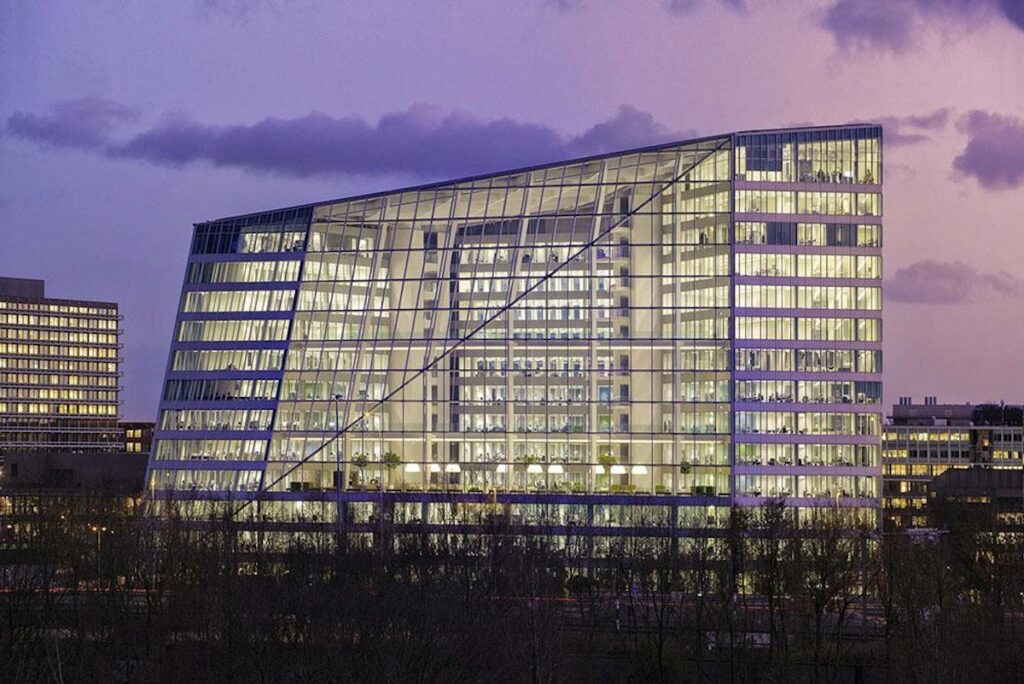
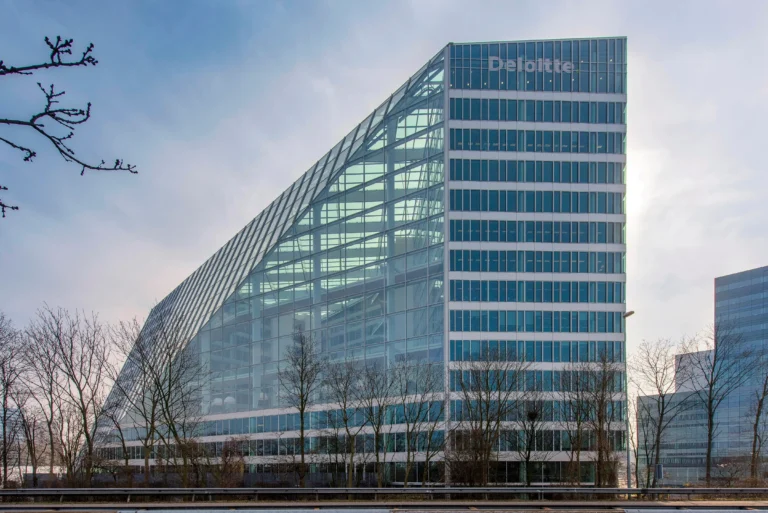
The Edge is one of the most sustainable office buildings in the world, boasting a BREEAM rating of 98.4%. It incorporates smart lighting systems, solar energy, and rainwater harvesting. Its IoT-powered systems allow employees to control their work environment, creating efficiency and comfort simultaneously.
2. Salesforce Tower, San Francisco

Salesforce Tower integrates state-of-the-art HVAC systems, natural ventilation, and water-recycling technology. It prioritizes sustainable materials in construction and offers green spaces that enhance employee well-being. The tower sets a benchmark for eco-conscious corporate headquarters in the United States.
3. One Central, Dubai
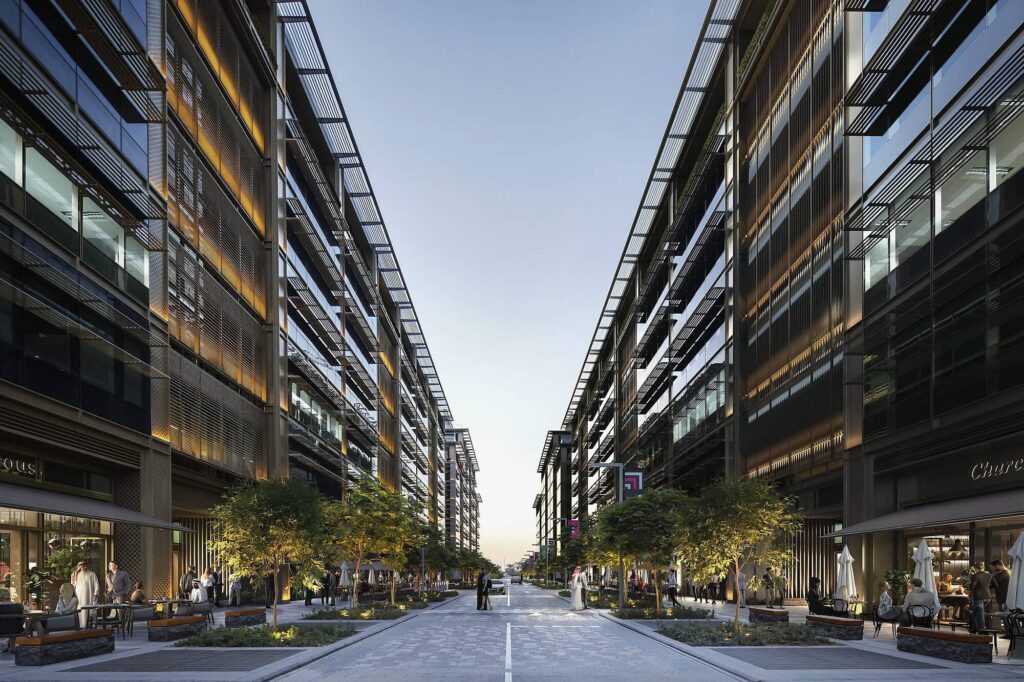
This commercial district combines LEED-certified buildings, advanced waste management systems, and renewable energy sources. The development highlights how large-scale urban projects can integrate sustainability while fostering economic growth.
4. 22 Bishopsgate, London
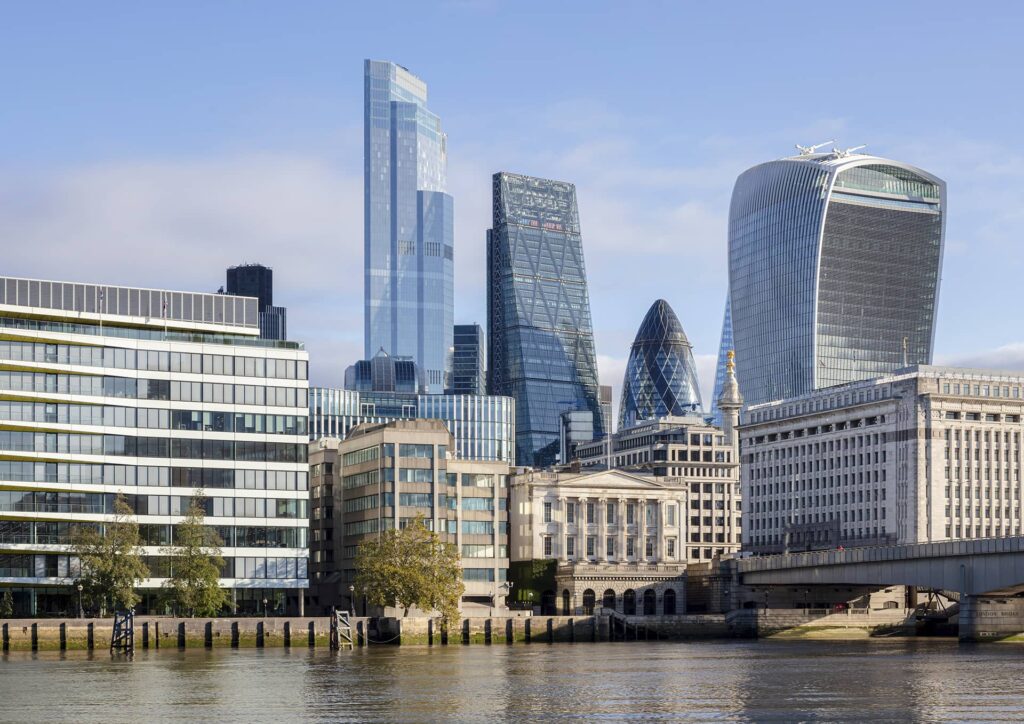
As one of the tallest buildings in London, 22 Bishopsgate focuses heavily on energy efficiency and sustainability. It uses smart glass, efficient energy systems, and advanced building management technologies to reduce emissions and operational costs.
Benefits of Using Technology in Sustainable Commercial Real Estate
Technology plays a vital role in making commercial real estate sustainable. Smart building management systems analyze data in real time, allowing owners to identify inefficiencies and reduce energy consumption. For example, AI-driven HVAC systems can predict usage patterns and adjust temperatures accordingly, minimizing waste.
IoT sensors enable predictive maintenance, ensuring equipment operates efficiently and preventing costly breakdowns. Renewable energy technologies like solar panels can be integrated into smart grids, ensuring optimal energy distribution.
In addition, digital twins-virtual replicas of buildings-are being used to simulate performance, test sustainable strategies, and optimize resource use. These tools give developers and investors data-driven insights that enhance decision-making and long-term planning.
Use Cases of Sustainability in Commercial Real Estate
Reducing Operational Costs
One of the most practical benefits of sustainable buildings is reduced operating expenses. For example, smart lighting and energy-efficient HVAC systems can cut electricity bills by up to 30%, creating immediate financial advantages for owners.
Attracting and Retaining Tenants
Tenants are increasingly prioritizing sustainability. A green-certified building enhances brand image and helps companies meet their ESG (Environmental, Social, and Governance) goals. This makes sustainable commercial properties more attractive, with lower vacancy rates and higher rental yields.
Meeting Regulatory Requirements
With stricter building codes and sustainability targets worldwide, adopting eco-friendly practices ensures compliance. Early adoption minimizes the risk of penalties and positions investors as industry leaders.
Enhancing Employee Well-Being
Sustainable buildings improve indoor air quality, lighting, and temperature control, which directly impact productivity and well-being. Happier employees lead to better business outcomes, benefiting both tenants and landlords.
Challenges in Implementing Sustainability in Commercial Real Estate
While the benefits are clear, implementing sustainability in commercial properties comes with challenges. The upfront investment for green technologies can be significant, and retrofitting older buildings is often complex. Additionally, ensuring that sustainable initiatives provide measurable results requires strong data collection and monitoring systems.
However, long-term savings, tenant demand, and compliance benefits often outweigh the initial costs, making sustainability a viable and necessary investment strategy.
Future of Sustainability in Commercial Real Estate
The future of commercial real estate will be heavily influenced by sustainability. With increasing awareness of climate change and stricter environmental regulations, sustainable practices are no longer optional but essential. Emerging technologies like AI, blockchain for energy tracking, and carbon capture systems will further enhance sustainability efforts in the sector.
Sustainable financing models, such as green bonds, are also gaining traction, allowing investors to fund eco-friendly projects while achieving competitive returns. As market demand grows, sustainable commercial real estate will become the standard rather than the exception.
FAQs
Q1. What are the main benefits of sustainability in commercial real estate?
Sustainability reduces operating costs, increases tenant satisfaction, ensures regulatory compliance, and enhances long-term asset value. It also helps reduce environmental impact, making it a socially responsible investment.
Q2. Are sustainable commercial properties more expensive to build?
The upfront costs can be higher due to advanced materials and technologies. However, the long-term savings from lower energy bills, reduced maintenance, and higher rental demand often outweigh initial expenses.
Q3. How does technology support sustainability in commercial real estate?
Technology enables smart building management, predictive maintenance, renewable energy integration, and performance monitoring. These innovations maximize efficiency, minimize waste, and ensure buildings operate at peak sustainability.