Real Estate with Home Automation Transforming Modern Living and Property Value in 2025
The concept of real estate with home automation is redefining how people buy, live in, and invest in properties. As technology becomes an integral part of daily life, modern buyers are increasingly seeking homes that go beyond traditional amenities and incorporate intelligent systems that provide convenience, security, and energy efficiency.
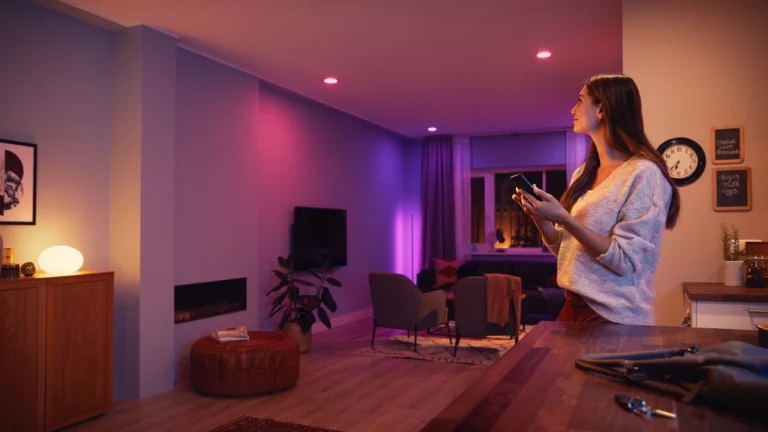
Home automation in real estate refers to properties equipped with advanced digital systems that allow homeowners to control and monitor different aspects of their environment. From lighting and heating to security and entertainment, these systems can be managed remotely through smartphones or voice assistants, offering unprecedented levels of control.
This technological shift is not just a passing trend-it represents the future of housing. For both buyers and investors, real estate with home automation delivers lifestyle improvements and strong financial value.
What Defines Real Estate with Home Automation?
Real estate with home automation refers to properties that come pre-installed or equipped with smart systems designed to automate everyday living. These systems often include smart thermostats, voice-controlled lighting, advanced security solutions, and connected appliances.
For homeowners, this integration translates into seamless living experiences. Tasks such as adjusting the indoor climate, securing the home, or controlling entertainment systems can be automated or controlled remotely. Beyond convenience, these systems enhance safety, reduce energy costs, and contribute to a more sustainable lifestyle.
From an investment standpoint, properties with home automation appeal to a growing segment of buyers who value technology-driven living. This demand makes them attractive in competitive housing markets, often leading to faster sales and higher property values.
The Rise of Smart Real Estate in the Housing Market
The real estate industry is transforming due to advancements in home automation. Developers now integrate smart systems directly into new construction projects, making technology a core feature rather than an optional luxury. This shift is driven by both consumer demand and environmental considerations.
Buyers are increasingly tech-savvy and environmentally conscious. They seek homes that not only provide comfort but also reduce energy consumption and support sustainable living. Properties with built-in automation meet these expectations while offering a modern, future-ready appeal.
For investors, this trend signals long-term value. Homes equipped with automation systems are less likely to become obsolete, ensuring resilience in evolving markets. Real estate with home automation is no longer niche-it’s becoming the new standard for modern housing.
Real-World Examples of Real Estate with Home Automation
1. Lennar Smart Homes – United States
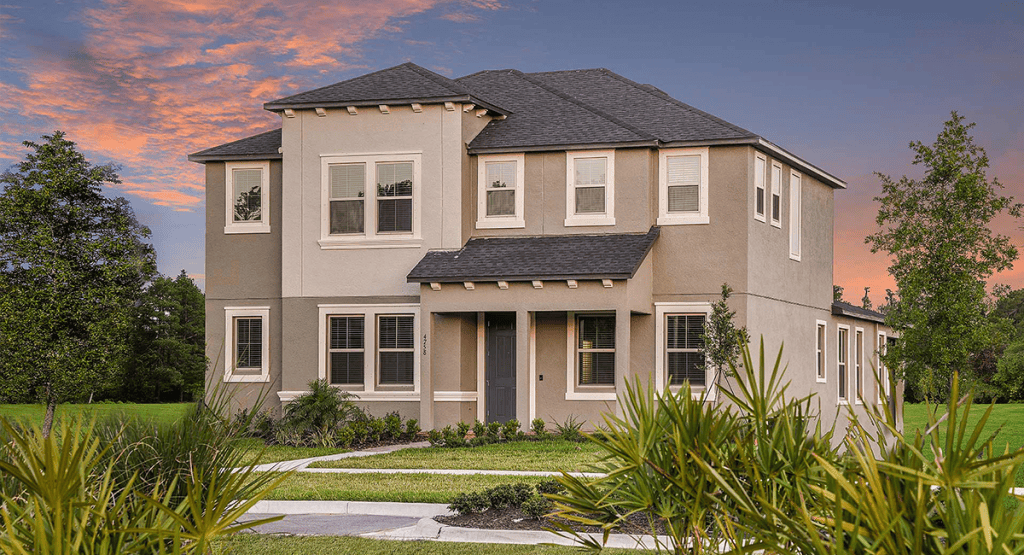
Lennar, a leading U.S. homebuilder, introduced homes pre-equipped with smart systems such as voice-controlled assistants, smart locks, connected thermostats, and security cameras. These homes are designed to be move-in ready, providing buyers with a seamless smart living experience. For investors, the widespread adoption of Lennar Smart Homes highlights the demand for integrated technology in mainstream real estate.
2. EcoHaus Smart Living Projects – Germany
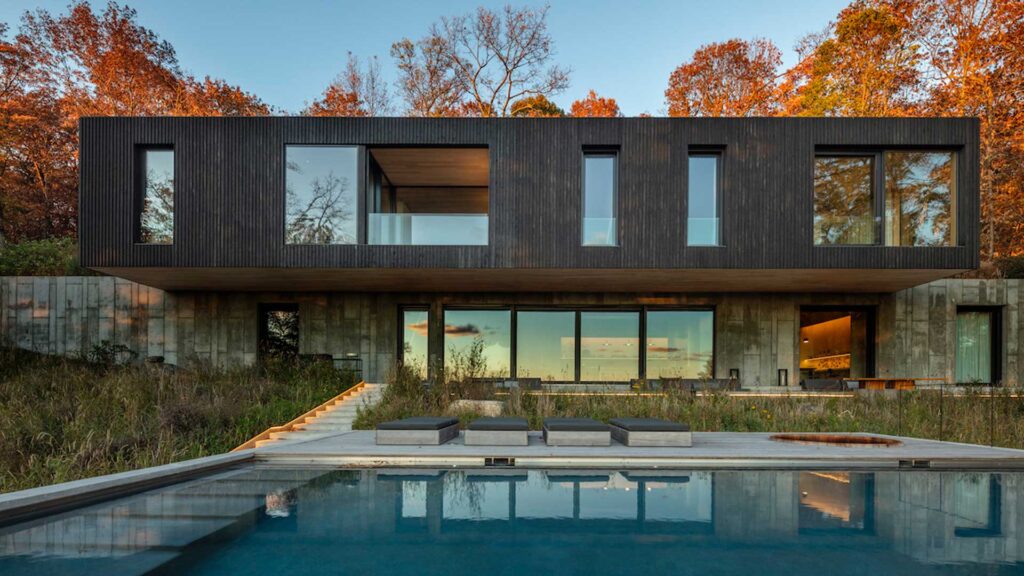
EcoHaus develops sustainable residential communities with full home automation integration. Their homes combine renewable energy systems with smart technology for managing lighting, heating, and water usage. This not only supports eco-friendly living but also creates long-term value by reducing operational costs. EcoHaus projects showcase how home automation aligns with Europe’s green building standards.
3. Villages in Songdo Smart City – South Korea

Songdo, one of the world’s most advanced smart cities, features residential complexes equipped with high-level home automation systems. Residents enjoy biometric entry systems, real-time energy monitoring, and centralized building management. These projects demonstrate how entire communities can be designed around connected living, setting a model for future global developments.
4. Sobha Smart Homes – Dubai, UAE
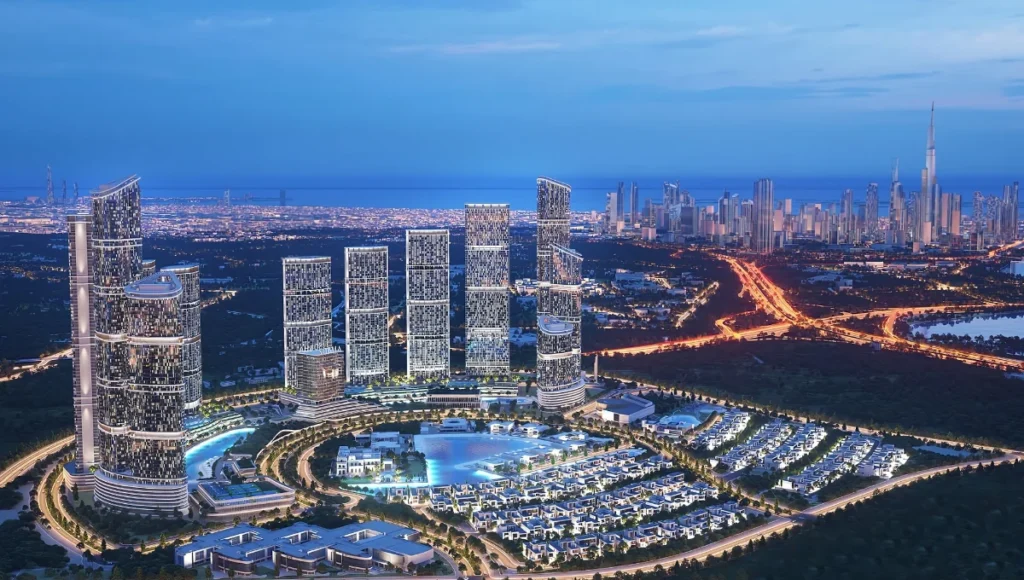
Sobha Realty has introduced luxury smart homes in Dubai, featuring integrated climate control, voice-enabled systems, and advanced energy efficiency technologies. Positioned in one of the fastest-growing luxury real estate markets, these homes reflect how automation is becoming a defining feature of premium properties, attracting global buyers.
Benefits of Real Estate with Home Automation
Convenience and Lifestyle Enhancement
Automation simplifies daily routines. From setting morning lighting schedules to remotely unlocking doors, homeowners experience seamless comfort. Voice and app-based controls empower them to manage tasks with ease.
Energy Efficiency and Sustainability
Smart thermostats, automated lighting, and water management systems optimize resource use. This reduces waste, lowers monthly bills, and supports eco-friendly lifestyles, aligning with global sustainability goals.
Improved Security
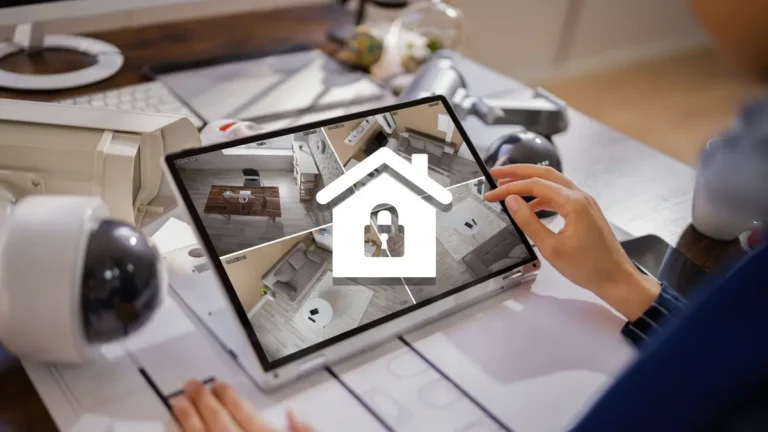
Smart locks, video doorbells, and motion detection systems provide real-time security updates. Homeowners can monitor and control access remotely, ensuring peace of mind whether they’re at home or away.
Increased Property Value
Homes with automation features are increasingly viewed as future-ready, making them attractive to modern buyers. Properties with integrated systems often sell faster and at higher prices, offering strong returns for investors.
Use Cases of Real Estate with Home Automation
Families with Children
Parents benefit from real-time security alerts and remote monitoring systems that ensure their children’s safety. Automated systems also help create safe environments by controlling appliances and lighting schedules.
Busy Professionals
For individuals with demanding schedules, automation reduces stress by managing routine tasks like adjusting temperatures, securing doors, or activating entertainment systems before they arrive home.
Seniors and Aging Populations
Voice-activated controls and health monitoring integrations support independent living for seniors. Features like automated lighting and fall detection systems improve safety and accessibility.
Real Estate Investors
Investors see home automation as a way to differentiate properties in competitive markets. By offering smart features, properties gain higher market appeal and long-term resilience, reducing vacancy rates.
The Future of Real Estate with Home Automation
The future of real estate lies in smarter, more sustainable living spaces. As AI and IoT technology advance, homes will become more responsive to individual preferences, adapting automatically to occupants’ lifestyles. Integration with renewable energy systems and smart city infrastructure will further enhance their value.
For buyers, this means greater comfort, security, and sustainability. For investors, it ensures that properties remain competitive in a rapidly evolving housing market. Real estate with home automation is not just a trend-it’s a defining characteristic of modern living.
Frequently Asked Questions
Q1. Is real estate with home automation more expensive than traditional properties?
Yes, these properties may have higher initial costs due to integrated systems, but they often result in long-term savings through lower energy bills and reduced maintenance.
Q2. What types of automation systems are commonly included in smart real estate?
Typical systems include smart thermostats, lighting automation, security cameras, voice-controlled assistants, and connected appliances. Some advanced homes also feature renewable energy integration.
Q3. Does home automation increase resale value?
Absolutely. Homes with built-in smart features often attract modern buyers willing to pay a premium. This increases property value and ensures competitiveness in future housing markets.