Energy Star Homes 2025 Complete Guide, Benefits, and Real-World Examples
Energy efficiency is no longer a luxury-it has become a necessity in today’s world. Rising energy costs, environmental concerns, and demand for sustainable housing have pushed both homeowners and builders toward smarter solutions. Among the most trusted standards for sustainable housing is the Energy Star certification, a program that ensures homes meet rigorous efficiency guidelines set by the U.S. Environmental Protection Agency (EPA).
Energy Star Homes represent the future of residential living. They are built to use less energy, save homeowners money on utility bills, and reduce the environmental footprint. Beyond savings, these homes are also healthier and more comfortable. This article provides an in-depth look at Energy Star Homes, their benefits, real-world examples, and why they are becoming a key solution for sustainable living.
Understanding Energy Star Homes
An Energy Star Home is a property that meets specific guidelines for energy efficiency set by the EPA. These homes are designed with advanced construction techniques, energy-efficient appliances, and high-performance systems that reduce energy use by at least 10–20% compared to standard homes.
Certification involves third-party verification to ensure the home performs as expected. From insulation to ventilation systems, every element is evaluated. The result is a home that provides consistent comfort, lower utility bills, and long-term environmental benefits.
Unlike standard homes, Energy Star Homes are more than just buildings with efficient appliances. They represent a holistic approach where design, construction, and technology work together to maximize efficiency.
Key Features of Energy Star Homes
High-Performance Insulation and Windows
Energy Star Homes feature advanced insulation and high-performance windows that regulate indoor temperature more effectively. This minimizes energy loss, reducing the need for constant heating or cooling.
Well-sealed homes with energy-efficient windows also prevent drafts and improve indoor air quality, contributing to a more comfortable living environment year-round.
Energy-Efficient Heating and Cooling Systems
Heating and cooling account for the largest share of residential energy use. Energy Star-certified homes incorporate high-efficiency HVAC systems that use less energy while maintaining consistent indoor comfort.
These systems are paired with proper installation and duct sealing to maximize performance, ensuring energy savings are achieved in practice.
Smart Appliances and Lighting
Certified homes often include Energy Star-rated appliances, from refrigerators to washing machines. These appliances are engineered to consume less energy without compromising performance.
LED lighting and automated systems also play a role in minimizing electricity consumption, enhancing both efficiency and convenience.
Improved Indoor Air Quality
Beyond energy efficiency, Energy Star Homes focus on healthier living. Proper ventilation systems filter indoor air, reducing pollutants, allergens, and moisture buildup. This creates a healthier environment, especially beneficial for families and individuals with respiratory concerns.
Benefits of Energy Star Homes
Cost Savings on Utility Bills
Perhaps the most immediate benefit of an Energy Star Home is lower utility costs. By reducing heating, cooling, and electricity consumption, homeowners save hundreds-or even thousands-of dollars annually.
Over time, these savings offset initial investments, making energy-efficient homes a financially smart choice.
Environmental Sustainability
Energy Star Homes help combat climate change by reducing greenhouse gas emissions. Less energy consumption translates into lower demand for fossil fuels, reducing carbon footprints on both a household and community scale.
This makes Energy Star certification not just a personal financial decision but also an environmentally responsible one.
Enhanced Comfort and Durability
These homes are designed to maintain consistent indoor temperatures, reduce drafts, and improve humidity control. As a result, living spaces feel more comfortable throughout the year.
Additionally, Energy Star standards emphasize durability, meaning construction practices reduce long-term maintenance issues, such as moisture damage or uneven heating.
Technology Integration
Smart technologies integrated into Energy Star Homes simplify energy management. Homeowners can monitor and control appliances, lighting, and HVAC systems through mobile apps or smart home platforms.
This makes it easier to track energy use, identify savings opportunities, and automate efficiency measures without sacrificing convenience.
Real-World Examples of Energy Star Homes
1. KB Home Energy Star Certified Properties
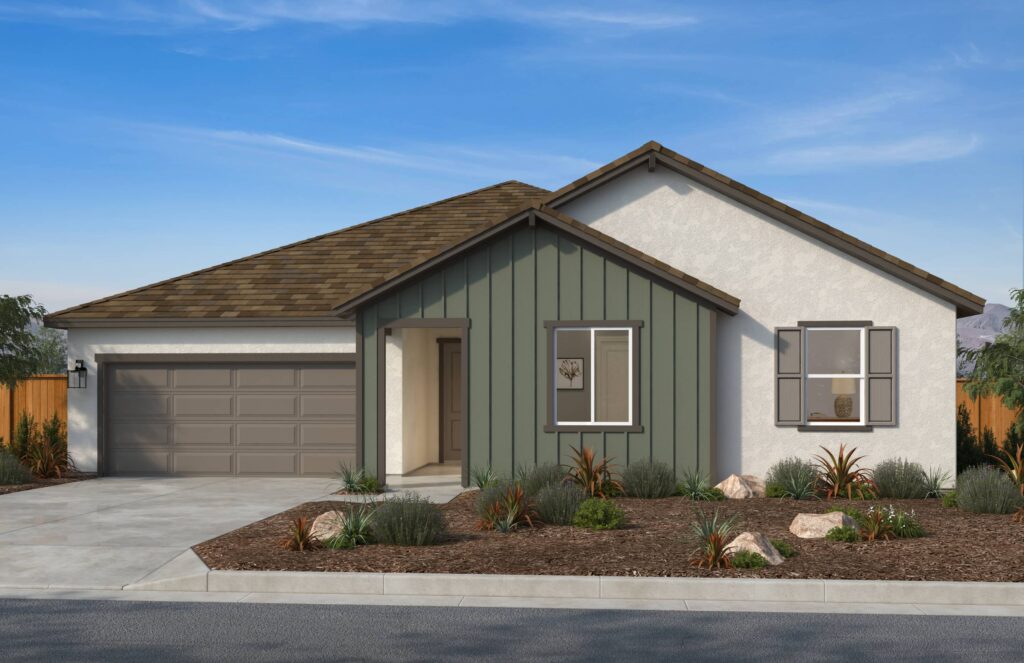
KB Home, a major U.S. builder, has been at the forefront of Energy Star-certified housing. Their homes feature high-efficiency insulation, water-saving fixtures, and smart thermostats.
These properties are designed for first-time buyers and families looking to save on energy costs while enjoying modern comfort. KB Home’s adoption of Energy Star standards highlights the growing demand for sustainable housing options.
2. Meritage Homes
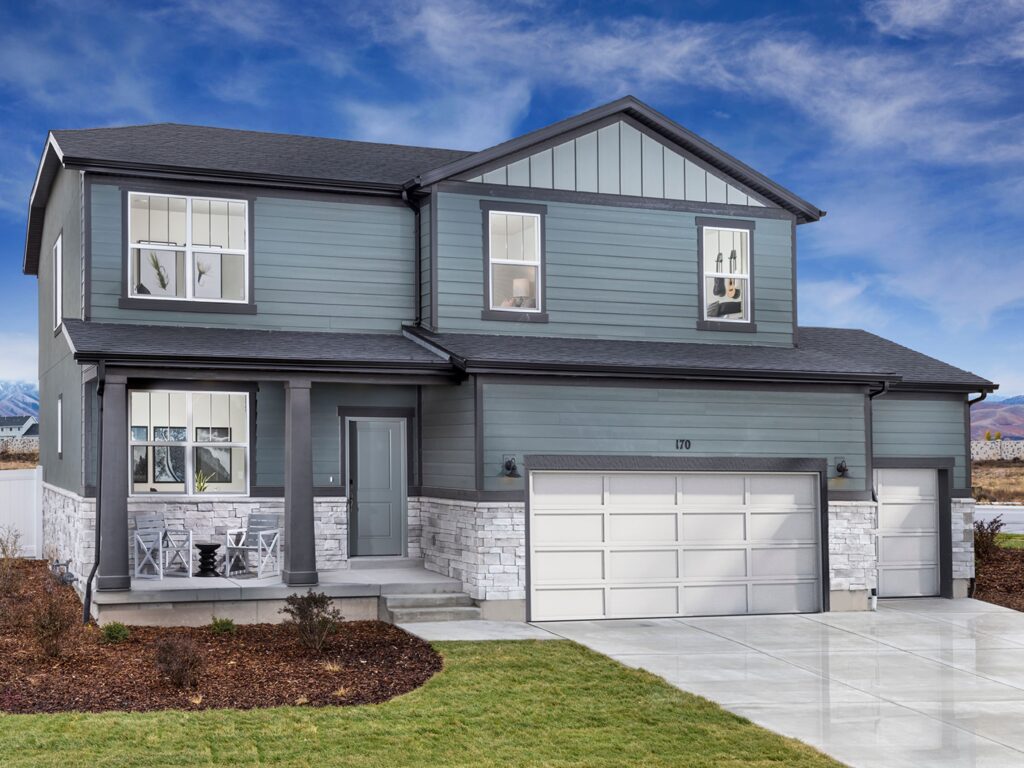
Meritage Homes is another builder that has integrated Energy Star certification into its projects nationwide. Their houses often come equipped with spray-foam insulation, high-efficiency HVAC systems, and Energy Star appliances.
Meritage emphasizes not only energy savings but also healthier indoor environments. Their model homes demonstrate how sustainable construction can be accessible without compromising modern design or convenience.
3. Habitat for Humanity Energy Star Homes
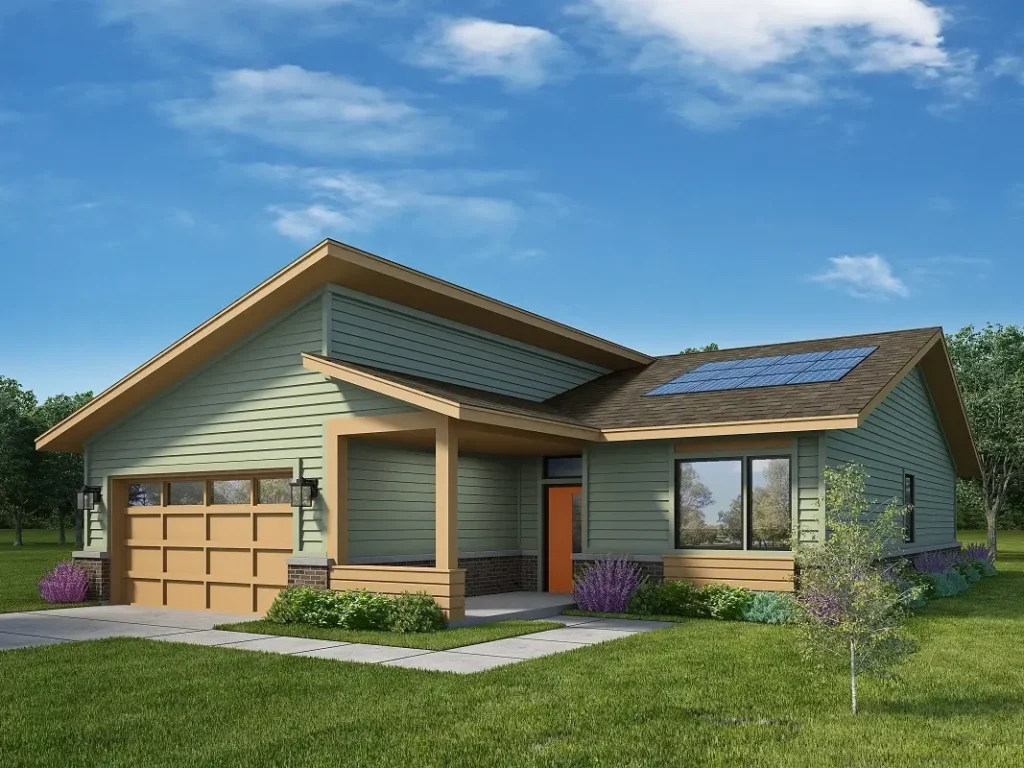
Habitat for Humanity has embraced Energy Star standards to provide affordable, energy-efficient housing for families in need. Their homes use cost-effective, sustainable construction practices that prioritize long-term affordability for low-income households.
By incorporating energy efficiency into affordable housing, Habitat ensures that families benefit from reduced utility costs, freeing up resources for other essentials.
4. Lennar Energy-Efficient Homes
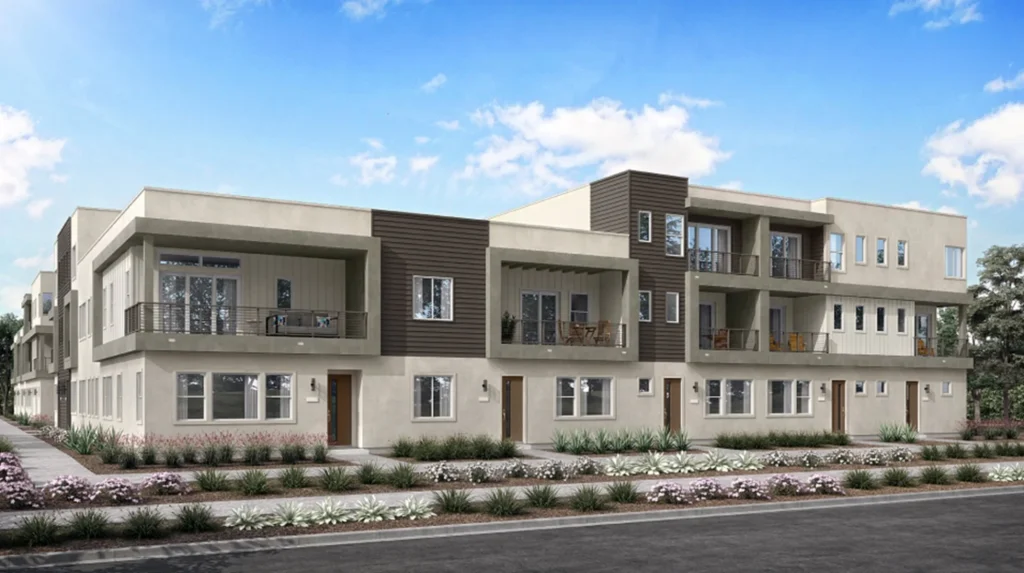
Lennar, one of the largest homebuilders in the United States, integrates Energy Star appliances and efficiency-focused designs into many of its homes. From smart thermostats to water-saving fixtures, Lennar properties reflect the practical advantages of Energy Star certification.
This demonstrates how large-scale builders are aligning with energy-efficient standards to meet both market demand and environmental goals.
Use Cases of Energy Star Homes
Affordable Housing Solutions
Energy-efficient homes lower monthly expenses for families, making housing more affordable over time. By reducing utility bills, families can allocate resources to other necessities like education and healthcare.
Sustainable Urban Development
Cities adopting Energy Star-certified developments reduce strain on energy grids, promote sustainability, and set benchmarks for green construction. This is particularly vital in rapidly growing urban areas.
Supporting Families with Health Concerns
Improved indoor air quality in Energy Star Homes benefits individuals with asthma, allergies, or respiratory conditions. Cleaner air and better humidity control promote healthier living environments.
Long-Term Property Value
Energy-efficient homes often have higher resale value due to their lower operating costs and sustainability features. Buyers increasingly prioritize efficiency, making these homes attractive investments.
Frequently Asked Questions
Q1. Are Energy Star Homes more expensive than standard homes?
While initial construction or purchase costs may be slightly higher, they save homeowners significant money in the long run. Lower utility bills, reduced maintenance needs, and potential resale value make them a cost-effective investment.
Q2. How is an Energy Star Home certified?
Certification involves third-party inspections during and after construction. Verifiers check insulation, HVAC systems, appliances, and ventilation to ensure compliance with EPA efficiency standards. Only after meeting these benchmarks is a home awarded Energy Star certification.
Q3. Can existing homes be upgraded to meet Energy Star standards?
Yes, many existing homes can be retrofitted with energy-efficient appliances, insulation, and HVAC systems. While they may not achieve full certification, upgrades can significantly improve energy efficiency and lower household costs.