Alexa Integrated Homes Smart Living with Voice-Controlled Technology
The rise of smart technology has transformed the way we live, and Alexa-integrated homes stand at the forefront of this revolution. By embedding Amazon Alexa into daily living spaces, homeowners can now manage lighting, security, entertainment, climate, and appliances with simple voice commands. What was once futuristic is now a growing reality, as millions of people embrace Alexa as the central hub of their smart homes.
This article explores Alexa-integrated homes in depth, from their core features and benefits to real-world products and use cases. By the end, you’ll understand why Alexa integration is becoming a defining trend in modern home automation.
What Are Alexa Integrated Homes?
Alexa-integrated homes are living spaces designed with Amazon Alexa at their core, allowing seamless voice control and automation of connected devices. These homes go beyond individual smart gadgets; they function as unified ecosystems where Alexa acts as the central controller.
In an Alexa-integrated home, you can dim the lights, lock the doors, adjust the thermostat, stream music, or check security cameras with a simple voice request. Integration extends to routines, meaning one command can trigger multiple actions. For example, saying “Alexa, good night” could turn off lights, lower the thermostat, and activate the security system simultaneously.
This level of automation improves convenience, energy efficiency, and security, while also adapting to the personalized needs of each household.
Core Features of Alexa Integrated Homes
Alexa-integrated homes are built on a foundation of smart technology and interconnected devices. Some of their standout features include:
-
Voice-Controlled Automation: Control multiple devices with simple commands, from lights and locks to appliances and entertainment systems.
-
Customizable Routines: Automate daily tasks, like turning on coffee makers in the morning or dimming lights for movie nights.
-
Smart Home Hubs: Use Alexa-enabled devices as hubs to connect and manage smart gadgets across different brands.
-
Energy Efficiency: Monitor and reduce energy consumption with voice-activated thermostats, lighting, and appliances.
-
Remote Control Access: Manage your home remotely through the Alexa app, even when you’re away.
-
Integration with Third-Party Services: Connect Alexa with music streaming, delivery notifications, calendars, and more.
These features highlight why Alexa-integrated homes have become the cornerstone of modern home automation.
Benefits of Alexa Integrated Homes
Convenience and Accessibility
One of the greatest advantages of Alexa integration is convenience. Instead of juggling multiple apps or physical switches, homeowners simply use voice commands to control their environment. This accessibility also benefits elderly individuals or people with mobility challenges, allowing them to manage daily tasks with ease.
Energy and Cost Savings
Alexa-integrated homes can lead to significant energy savings. Smart thermostats, lighting systems, and appliances reduce unnecessary usage by adapting to schedules and occupancy patterns. Over time, this translates into lower utility bills and a reduced environmental footprint.
Enhanced Security
Alexa integration supports advanced home security. From voice-controlled locks and alarms to integration with cameras and motion sensors, homeowners gain peace of mind. Alexa routines can simulate occupancy when residents are away, deterring potential intruders.
Entertainment and Lifestyle
Entertainment becomes effortless in Alexa-integrated homes. With a simple command, you can play music, start streaming on a TV, or sync devices for a multi-room experience. Alexa also acts as a digital assistant, providing reminders, calendar updates, and voice-activated information.
Real-World Examples of Alexa-Integrated Homes
1. Amazon Echo Show 10
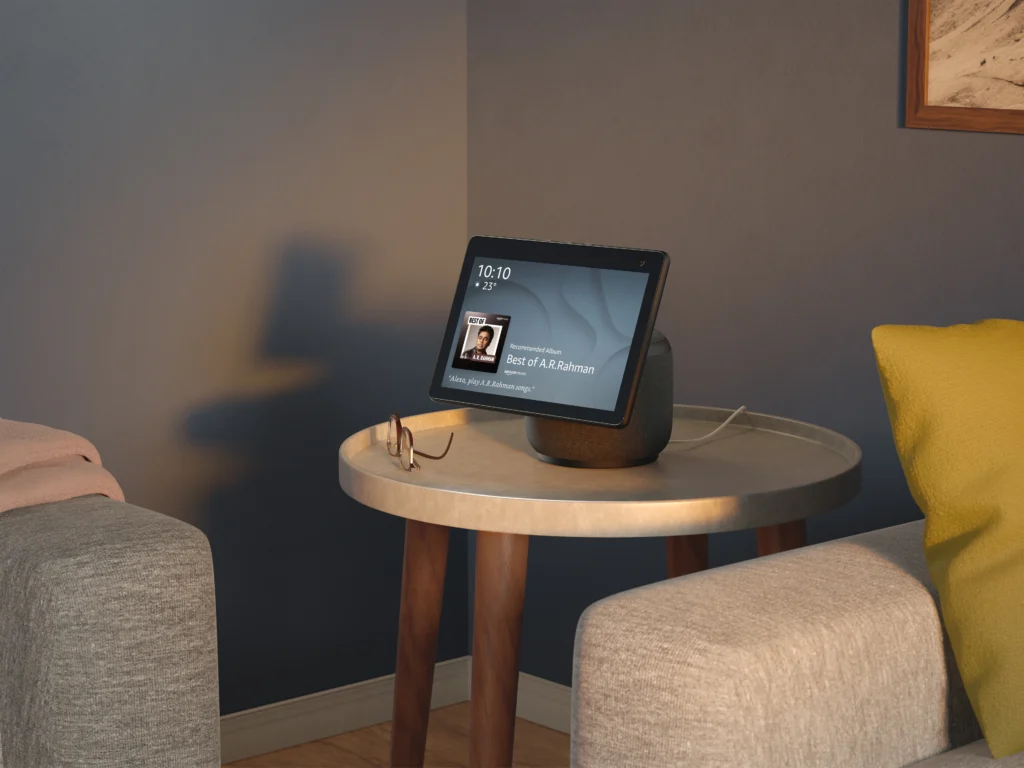
The Echo Show 10 is more than a smart speaker; it’s a centerpiece for Alexa-integrated homes. Its 10-inch rotating display follows the user around the room, making it ideal for video calls, streaming, and smart home management.
In an Alexa-integrated home, the Echo Show 10 acts as a central hub. Homeowners can monitor security cameras, adjust smart lighting, and view energy usage statistics all in one place. Its ability to combine entertainment, communication, and automation makes it a versatile example of Alexa’s role in modern homes.
2. Philips Hue Smart Lighting with Alexa Integration
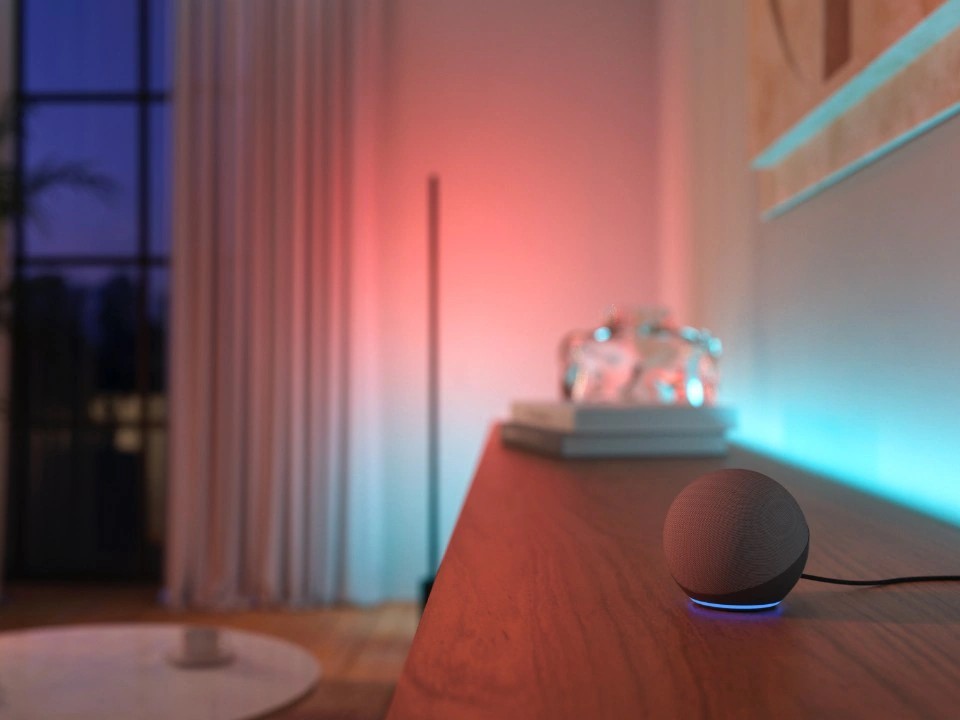
Philips Hue lighting is one of the most popular additions to Alexa-integrated homes. With Alexa, homeowners can dim or brighten lights, change colors, or set moods using simple voice commands.
For example, a “movie night” routine can automatically dim the lights and adjust the colors for an immersive experience. Similarly, Alexa can be programmed to turn on lights gradually in the morning, simulating a natural sunrise. This integration illustrates how Alexa transforms everyday lighting into a dynamic, customizable feature.
3. Ring Video Doorbell Pro with Alexa
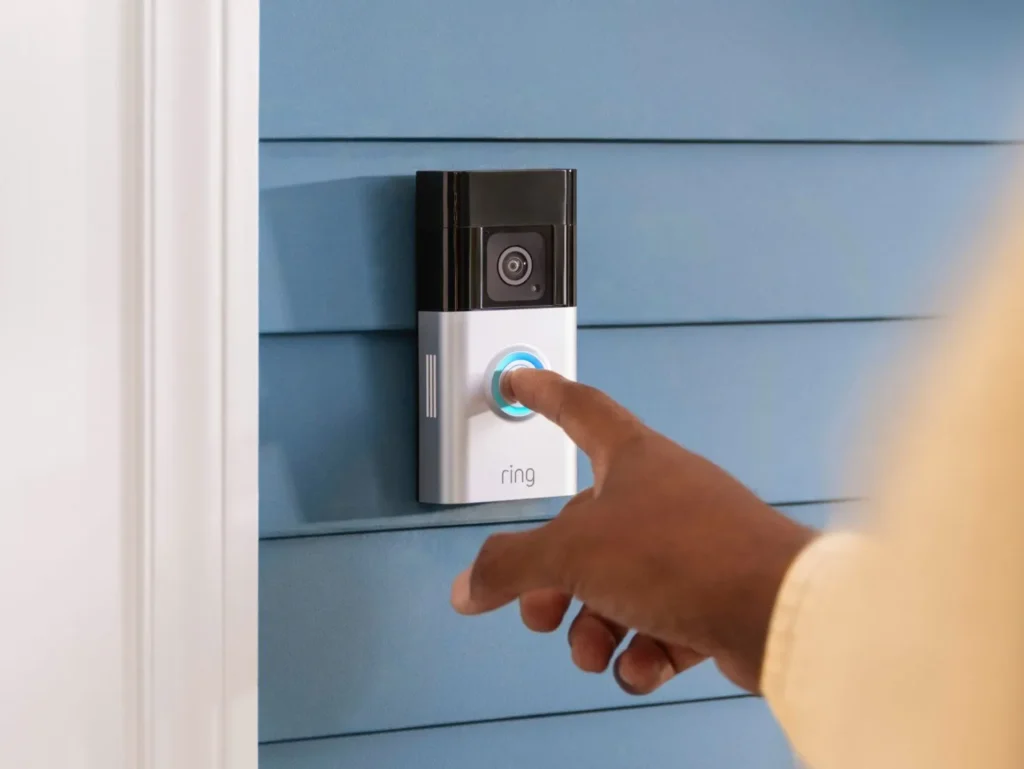
Ring’s Video Doorbell Pro integrates seamlessly with Alexa, giving homeowners voice-enabled access to their front door. With Alexa devices like the Echo Show, users can say “Alexa, show me the front door” and instantly see live video.
In addition, Alexa can announce when someone rings the doorbell or detect motion, adding a layer of proactive security. This is especially useful in homes where safety and convenience are priorities. Passive monitoring combined with hands-free alerts showcases the practical security benefits of Alexa integration.
4. Ecobee SmartThermostat with Alexa Built-In

The Ecobee SmartThermostat combines advanced energy management with Alexa integration. It not only learns temperature preferences and occupancy patterns but also responds to voice commands directly.
For instance, a homeowner can say “Alexa, set the temperature to 72 degrees” without needing a separate device. Its ability to reduce energy consumption while maintaining comfort demonstrates how Alexa-integrated homes create sustainable living solutions.
The Role of Technology in Alexa-Integrated Homes
Alexa-integrated homes rely on a wide range of cutting-edge technologies:
-
Artificial Intelligence (AI): Alexa’s natural language processing allows it to understand and respond to voice commands intelligently.
-
Internet of Things (IoT): Connected devices communicate seamlessly within the ecosystem, creating automated routines and remote control access.
-
Machine Learning: Alexa adapts to user preferences over time, suggesting routines or responses that align with habits.
-
Cloud Computing: Alexa stores and processes information securely in the cloud, enabling fast and reliable interactions.
-
Smart Sensors: From motion detectors to temperature sensors, smart devices enhance automation by feeding real-time data into the Alexa ecosystem.
These technologies converge to create an experience where homes become more intuitive, adaptive, and efficient.
Use Cases of Alexa Integrated Homes
Daily Household Automation
Families can streamline daily routines with Alexa. For instance, a single command in the morning can turn on lights, start the coffee machine, and read out the day’s weather and schedule. This eliminates repetitive tasks and makes mornings smoother.
Home Security Management
With Alexa-integrated devices, homeowners can monitor cameras, lock doors, and receive security alerts in real-time. This reduces the need for separate control panels and ensures all security measures are centralized.
Energy Management
Smart thermostats and lighting reduce wasted energy by responding to occupancy patterns. Alexa ensures these devices work in harmony, lowering bills and reducing environmental impact.
Elderly Care and Accessibility
Alexa-integrated homes offer voice-controlled solutions that make independent living easier for seniors and individuals with limited mobility. Tasks like adjusting lights, calling family, or managing medication reminders become effortless.
Entertainment and Family Life
Families benefit from synchronized entertainment, from multi-room music playback to hands-free streaming control. Alexa routines can also create immersive environments for holidays, parties, or quiet evenings.
Challenges of Alexa-Integrated Homes
Despite their advantages, Alexa-integrated homes face some challenges. Privacy concerns are a common issue, as Alexa devices collect data to improve functionality. Builders and homeowners must prioritize secure networks and smart device management.
Another challenge is compatibility. While Alexa integrates with thousands of devices, not all products are supported, requiring careful planning when designing a fully connected home. Finally, the initial investment in devices and setup can be significant, though the long-term benefits often outweigh these costs.
The Future of Alexa-Integrated Homes
The future is promising. With advances in AI, machine learning, and device compatibility, these homes will become even smarter and more personalized. Developers are working toward deeper integrations with renewable energy systems, healthcare monitoring, and predictive automation.
As more homeowners adopt smart ecosystems, they are expected to evolve from luxury trends into mainstream housing features. In the coming years, Alexa may not only respond to commands but also anticipate needs before they are spoken.
Frequently Asked Questions
Q1. What makes Alexa-integrated homes different from regular smart homes? Alexa-integrated homes use Alexa as the central hub, allowing seamless voice control and automation across multiple devices. This creates a more unified and user-friendly smart home experience.
Q2. Do Alexa-integrated homes save money on energy bills?
Yes. With devices like smart thermostats, energy-efficient lighting, and automated appliances, Alexa-integrated homes can significantly reduce energy consumption, lowering monthly utility costs.
Q3. Is Alexa integration secure for home automation? While
Alexa-integrated homes are generally secure; however, homeowners must take steps like setting strong passwords, updating devices regularly, and using encrypted networks to ensure data privacy and protection.