Smart Homes for Sale The Future of Real Estate and Modern Living in 2025
The concept of smart homes for sale has revolutionized the real estate market. Unlike traditional homes, smart homes integrate cutting-edge technology to improve security, convenience, energy efficiency, and overall living experience. For buyers in 2025, these properties are not just about location and size, but about how seamlessly technology can enhance daily life.
Smart homes are equipped with interconnected systems that can be controlled remotely or automated, including lighting, heating, security, appliances, and entertainment. With the rise of the Internet of Things (IoT) and AI-driven solutions, smart homes for sale have become a desirable option for both homeowners and investors. They represent the intersection of modern lifestyle, sustainability, and digital transformation in real estate.
Table of Contents
ToggleWhat Defines a Smart Home for Sale?
A smart home is more than just a house with gadgets; it is a property designed to integrate technology into its very infrastructure. Smart homes for sale typically include advanced systems for energy management, safety, and comfort.
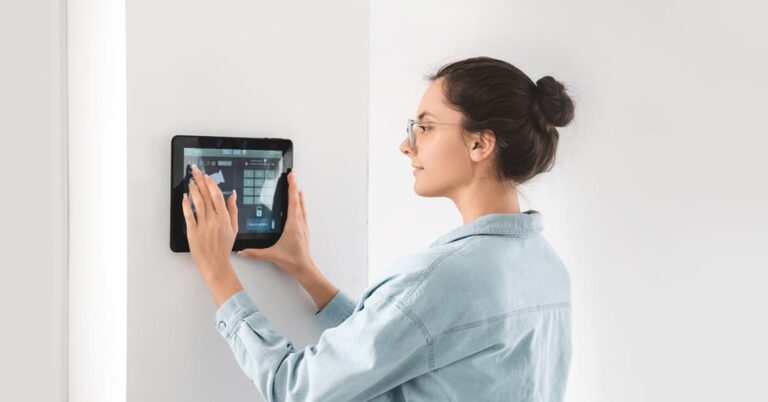
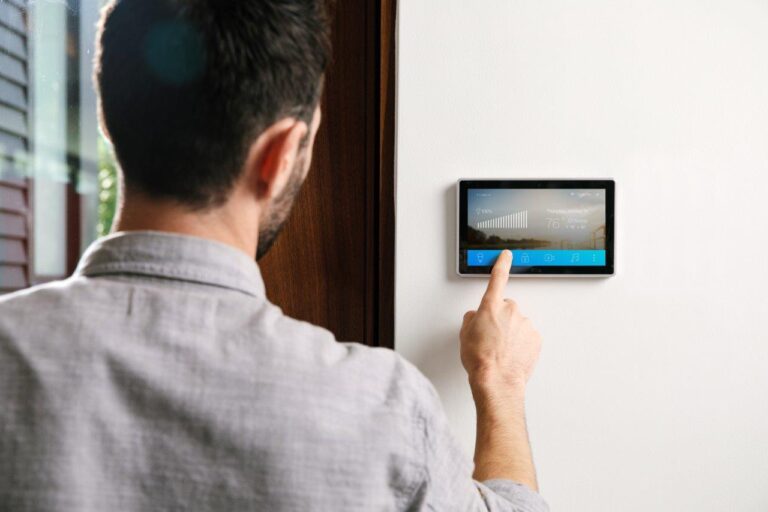
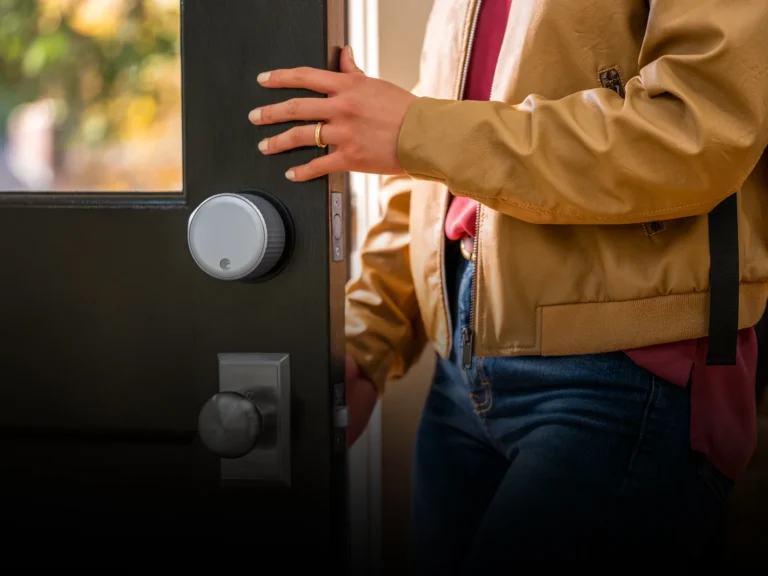
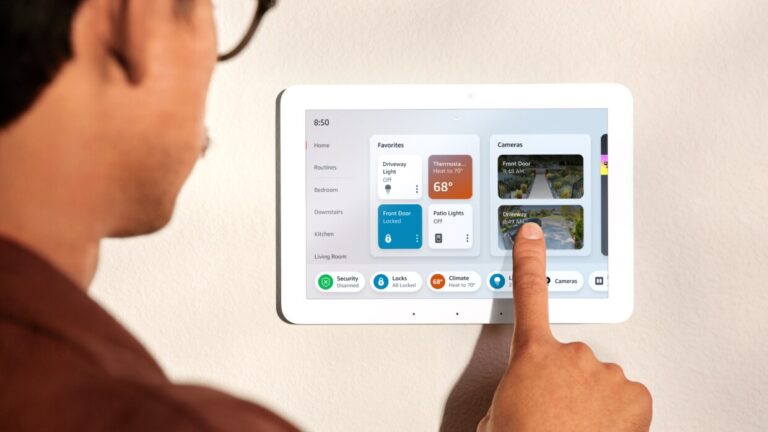
Features like smart thermostats, connected door locks, intelligent lighting, and home assistants ensure that daily activities are simplified and optimized. For homeowners, this means a lifestyle that is not only convenient but also sustainable, as smart homes often reduce energy consumption and carbon footprints.
As smart home technology evolves, real estate developers are increasingly designing houses with built-in smart systems, making them attractive for modern buyers. These homes are future-ready, offering long-term value in an ever-changing housing market.
How Smart Homes Are Changing the Real Estate Market
The demand for smart homes for sale is reshaping real estate in several ways. First, buyers are placing greater emphasis on digital amenities, prioritizing properties with built-in automation and connectivity. This shift is influencing developers to integrate smart infrastructure as a standard feature rather than a luxury.
Second, smart homes appeal to eco-conscious buyers because of their energy efficiency. With smart sensors and automated systems, these homes use resources more effectively, reducing utility costs while contributing to environmental goals. Investors also see long-term value, as properties with integrated smart technology typically sell faster and at higher prices than conventional homes.
Real-World Examples of Smart Homes for Sale
1. The Kasita Smart Micro Homes – Austin, USA
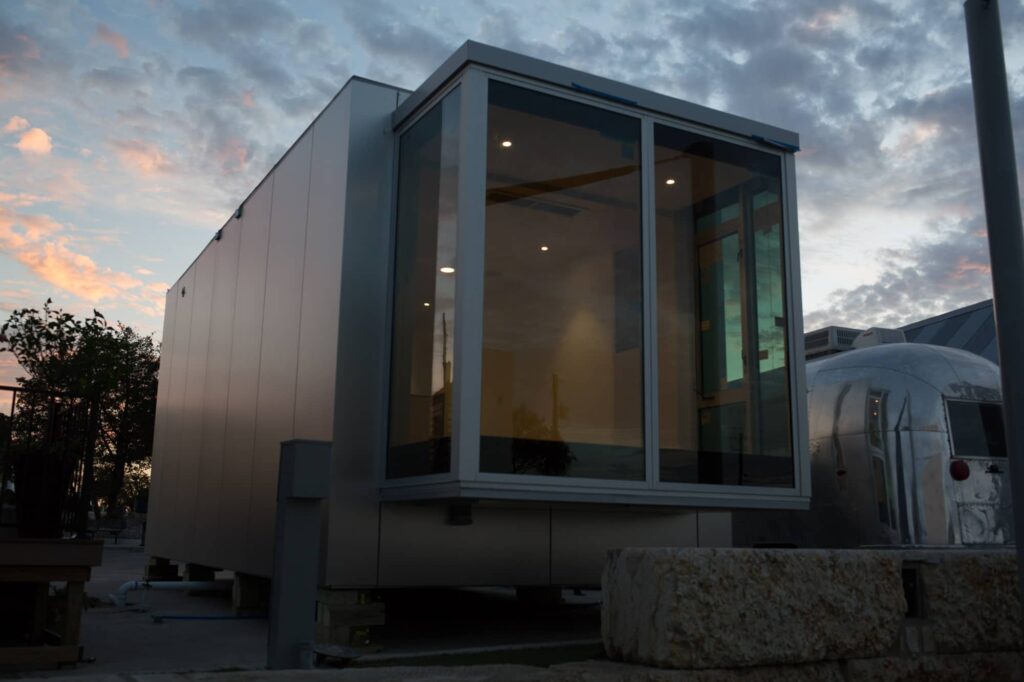
Kasita developed compact, modular smart homes with built-in automation. These homes are designed for urban living and integrate technology for energy efficiency, comfort, and minimal environmental impact. Despite their small size, they provide everything from voice-activated controls to smart appliances, making them highly attractive to young professionals seeking affordability and convenience.
2. Futuristic Villas at Mohammed Bin Rashid City – Dubai, UAE
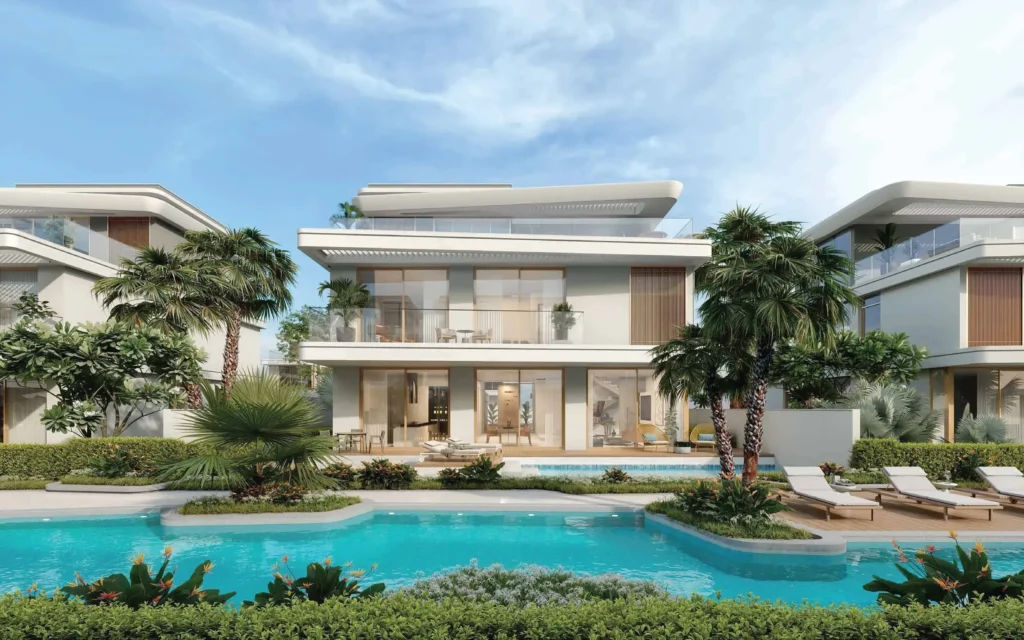
Dubai has been a leader in smart home development, offering luxury villas with AI-powered home management systems. These properties feature smart climate control, biometric security systems, and integrated solar energy solutions. They demonstrate how luxury real estate is embracing sustainability and digital transformation at the same time.
3. Panasonic Smart Town – Fujisawa, Japan
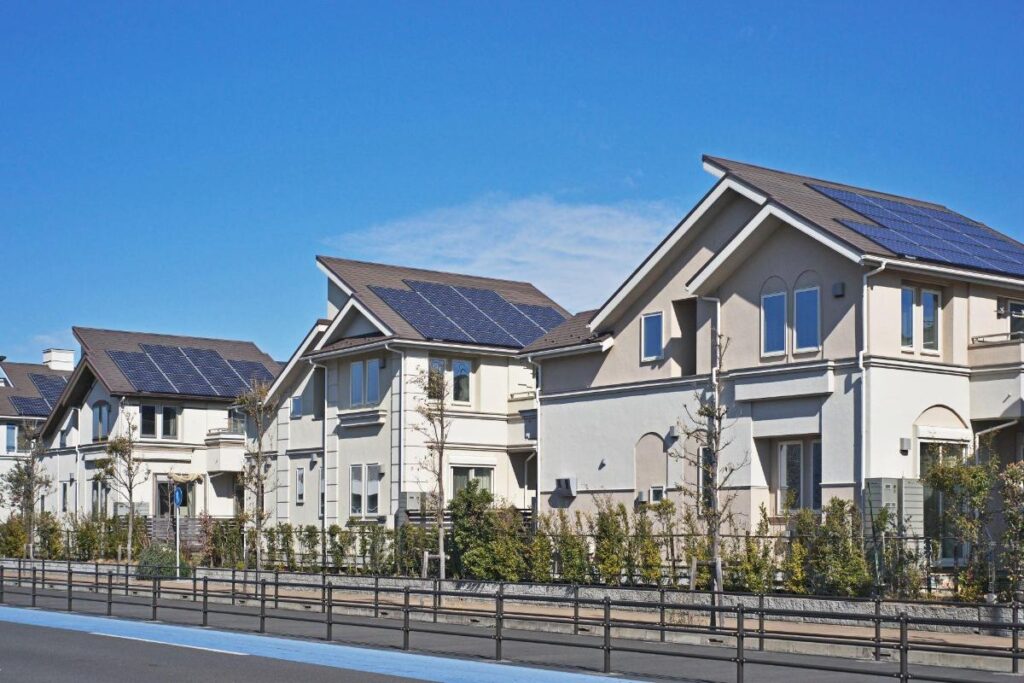
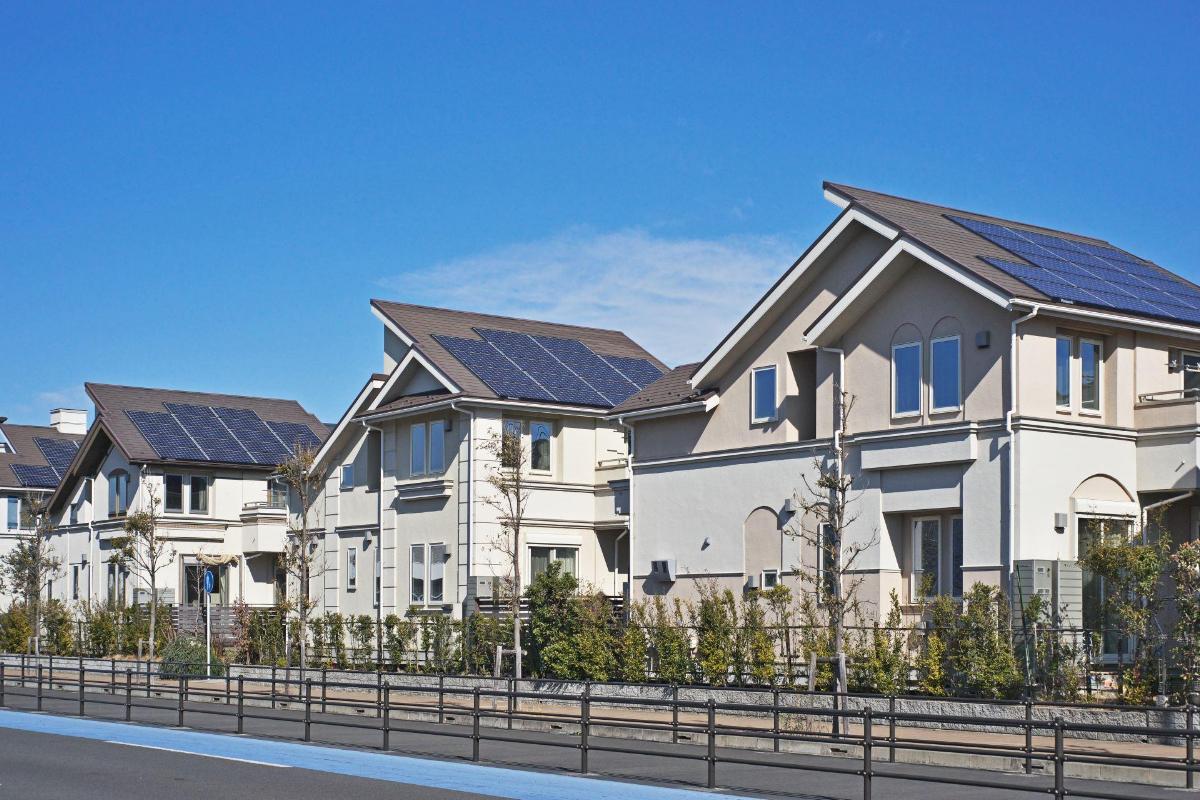
In Fujisawa, Panasonic developed an entire community of smart homes designed to reduce energy use and carbon emissions. The homes feature solar panels, energy storage systems, and community-wide digital management. This project illustrates how smart homes extend beyond individual properties, creating entire ecosystems of sustainable living.
4. Lennar Smart Homes – United States
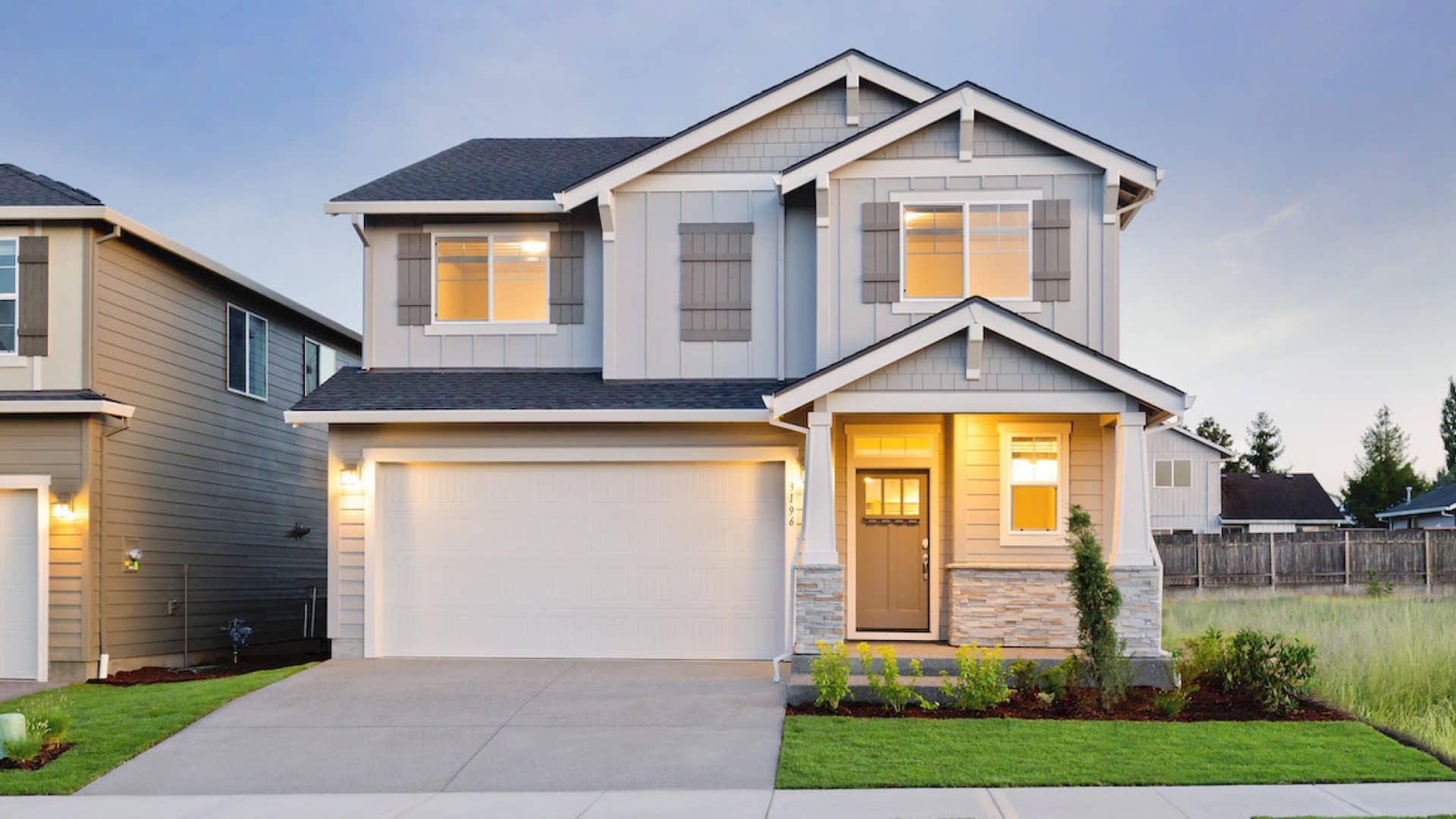
Lennar, a major U.S. homebuilder, introduced homes with pre-installed smart systems such as connected doorbells, thermostats, and Wi-Fi-enabled appliances. These homes are designed for convenience and affordability, making smart technology accessible to a broader market. Their popularity shows how integrated systems are no longer limited to luxury properties but are entering mainstream housing.
Benefits of Smart Homes for Buyers and Owners
The advantages of purchasing smart homes for sale extend far beyond convenience.
Energy Efficiency and Cost Savings
Smart homes often include intelligent thermostats, energy-efficient lighting, and renewable energy systems. These features reduce monthly bills and support sustainable living.
Enhanced Security
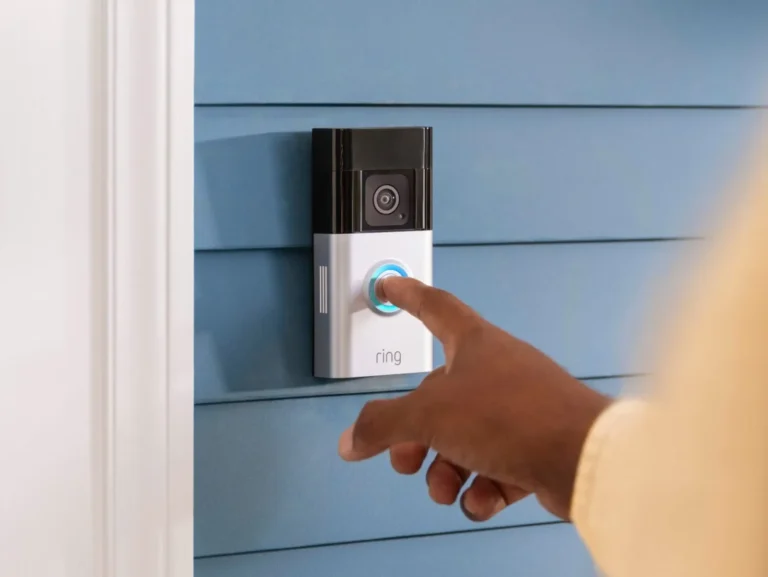
Smart security systems with video doorbells, biometric locks, and motion sensors provide homeowners with real-time protection and remote monitoring. This reduces risks and increases peace of mind.
Convenience and Comfort
Automation allows homeowners to manage multiple aspects of their property with voice commands or mobile apps. From adjusting lighting to setting room temperatures, smart systems enhance comfort and daily living.
Property Value and Resale Potential
Smart homes are more attractive to modern buyers, often selling at higher prices compared to traditional properties. They represent future-ready investments in a competitive housing market.
Use Cases of Smart Homes for Sale
Smart Homes for Families
Families benefit from improved security and automation, helping parents monitor children and control household systems more effectively. For example, remote monitoring allows working parents to check in on their homes anytime, anywhere.
Smart Homes for Professionals
For busy professionals, smart homes save time by automating repetitive tasks such as adjusting lighting, running appliances, or managing home office setups. This efficiency supports productivity and work-life balance.
Smart Homes for Seniors
Elderly residents gain independence with voice-activated systems, fall detection sensors, and automated health monitoring tools. These technologies make aging in place safer and more comfortable.
Smart Homes for Investors
Real estate investors see strong potential in smart homes for sale, as these properties often have higher demand and stronger resale values. They appeal to a tech-driven generation of buyers and renters, ensuring long-term profitability.
The Future of Smart Homes for Sale
As technology continues to advance, smart homes will become even more integrated with AI, robotics, and renewable energy systems. The real estate market will increasingly view smart features as a necessity rather than an option. With smart cities on the horizon, homes will connect seamlessly with urban infrastructure, creating a truly digital ecosystem of living.
For buyers, this means access to homes that are safer, more sustainable, and more responsive to individual needs. For investors, it signals strong market growth and long-term opportunities in the smart home sector.
Frequently Asked Questions
Q1. Are smart homes more expensive than traditional homes?
Smart homes can have higher upfront costs due to integrated systems, but they often save money long-term through reduced utility bills, energy efficiency, and lower maintenance costs.
Q2. What types of smart features are usually included in smart homes for sale?
Common features include smart thermostats, security cameras, automated lighting, connected appliances, and voice-controlled assistants. More advanced homes may include renewable energy systems and biometric access.
Q3. Do smart homes increase property value?
Yes, smart homes typically sell for higher prices than conventional properties. Buyers value convenience, sustainability, and future-ready technology, making them a strong investment