Green Building Investment A Comprehensive Guide to Sustainable Real Estate in 2025
Green building investment refers to the practice of funding, developing, or owning real estate projects that prioritize sustainability, energy efficiency, and environmental responsibility. Unlike conventional real estate, green buildings are designed with a long-term vision that balances profitability with ecological impact.
These types of investments are becoming increasingly significant due to global climate change concerns, stricter environmental regulations, and rising demand from consumers and tenants for eco-friendly spaces. Investors are not only drawn by potential returns but also by the added value of contributing to environmental sustainability.
Green building investment is now considered a smart strategy for future-proofing assets. By reducing operating costs, improving tenant satisfaction, and increasing property value, it creates a synergy between financial performance and environmental responsibility.
Why Green Building Investment Matters
The real estate sector contributes significantly to global carbon emissions, energy consumption, and waste generation. By focusing on green building investments, investors and developers play a vital role in reducing environmental impact while aligning with growing global sustainability goals.
From a financial perspective, green buildings tend to attract higher rents, lower vacancy rates, and government incentives, making them more attractive compared to conventional properties. Moreover, as climate-conscious regulations tighten, green-certified buildings are better positioned to remain compliant and competitive in the market.
Investors are also increasingly considering ESG (Environmental, Social, and Governance) criteria, and green building projects fit directly within these frameworks, enhancing reputation and long-term viability.
The Role of Technology in Green Building Investment
Technological innovation is one of the strongest enablers of sustainable construction and real estate. Smart building systems, renewable energy solutions, and eco-friendly construction materials are redefining how investments in this sector are evaluated.
For example, smart sensors and AI-powered building management systems help monitor and optimize energy use. Similarly, advancements in solar panels, geothermal systems, and water recycling technologies allow properties to reduce their reliance on non-renewable resources.
Technology not only reduces operational costs but also provides investors with detailed insights into energy savings and performance metrics, making it easier to measure ROI. In many cases, green building technologies improve both tenant experience and long-term property valuation.
Real-World Examples of Green Building Investment
1. One Bryant Park – New York, USA
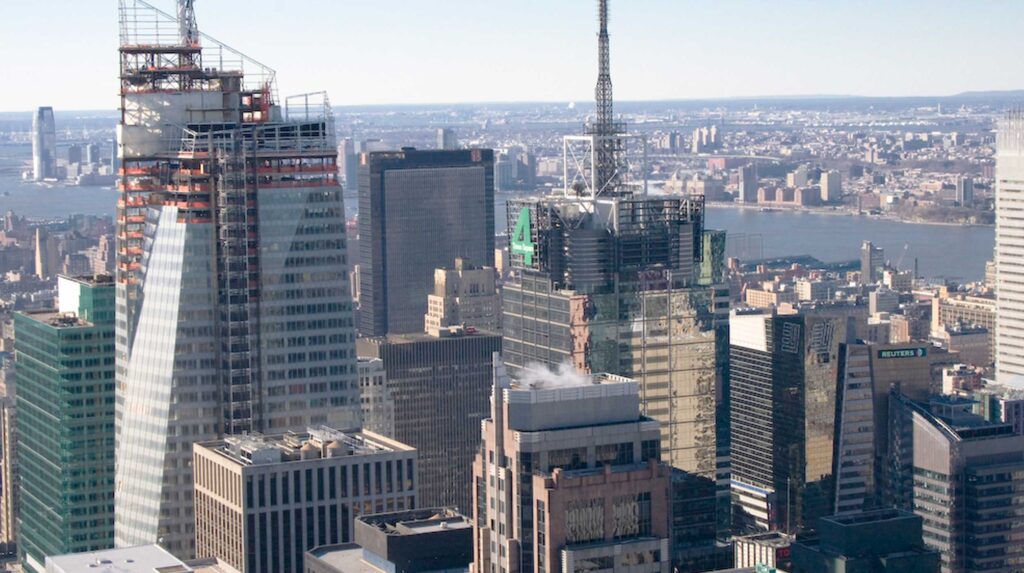
One Bryant Park is one of the world’s first commercial high-rise buildings to achieve LEED Platinum certification. The tower uses an advanced air filtration system, on-site power generation, and water recycling systems. For investors, this project demonstrated that sustainability can coexist with luxury and profitability.
The success of this development proved that large-scale green buildings not only meet regulatory demands but also attract premium tenants willing to pay for healthier and more sustainable work environments.
2. Bosco Verticale – Milan, Italy
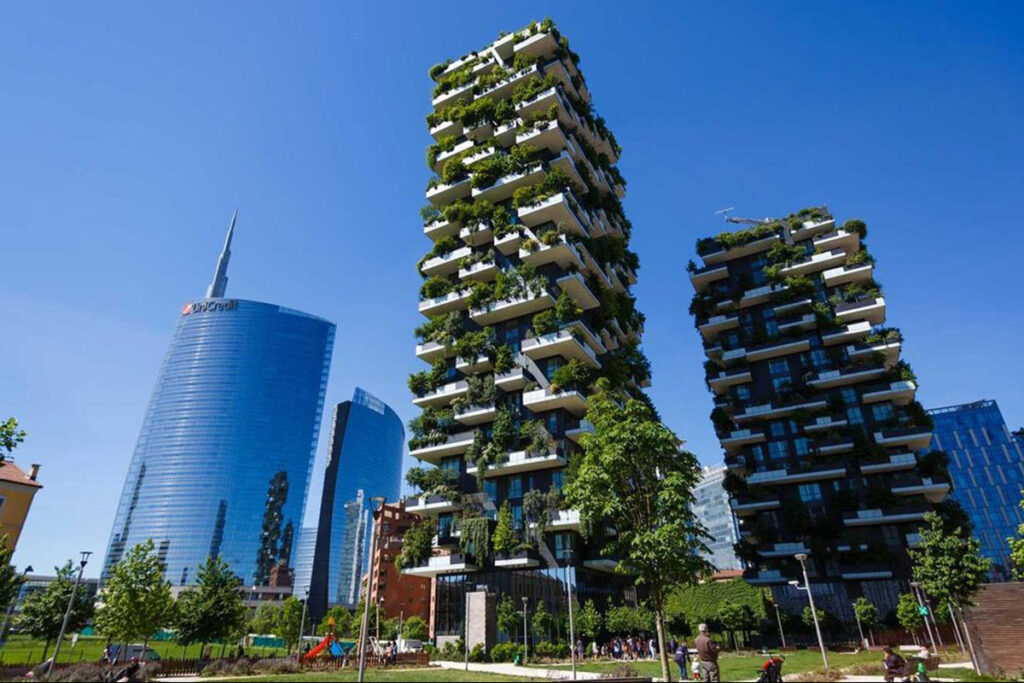
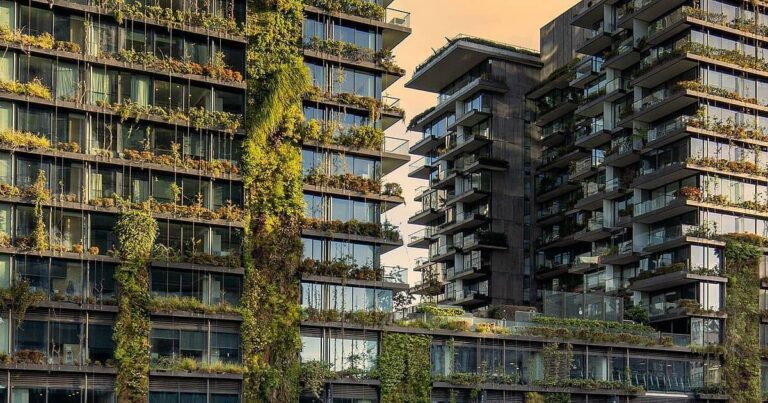
Bosco Verticale, or “Vertical Forest,” is an iconic residential project featuring two towers covered with thousands of trees and plants. It reduces CO₂ emissions, produces oxygen, and naturally insulates apartments.
From an investment perspective, the project increased property value and set new standards for sustainable urban living. It also attracted global attention, showcasing how innovative design and green principles can lead to higher demand and long-term appreciation.
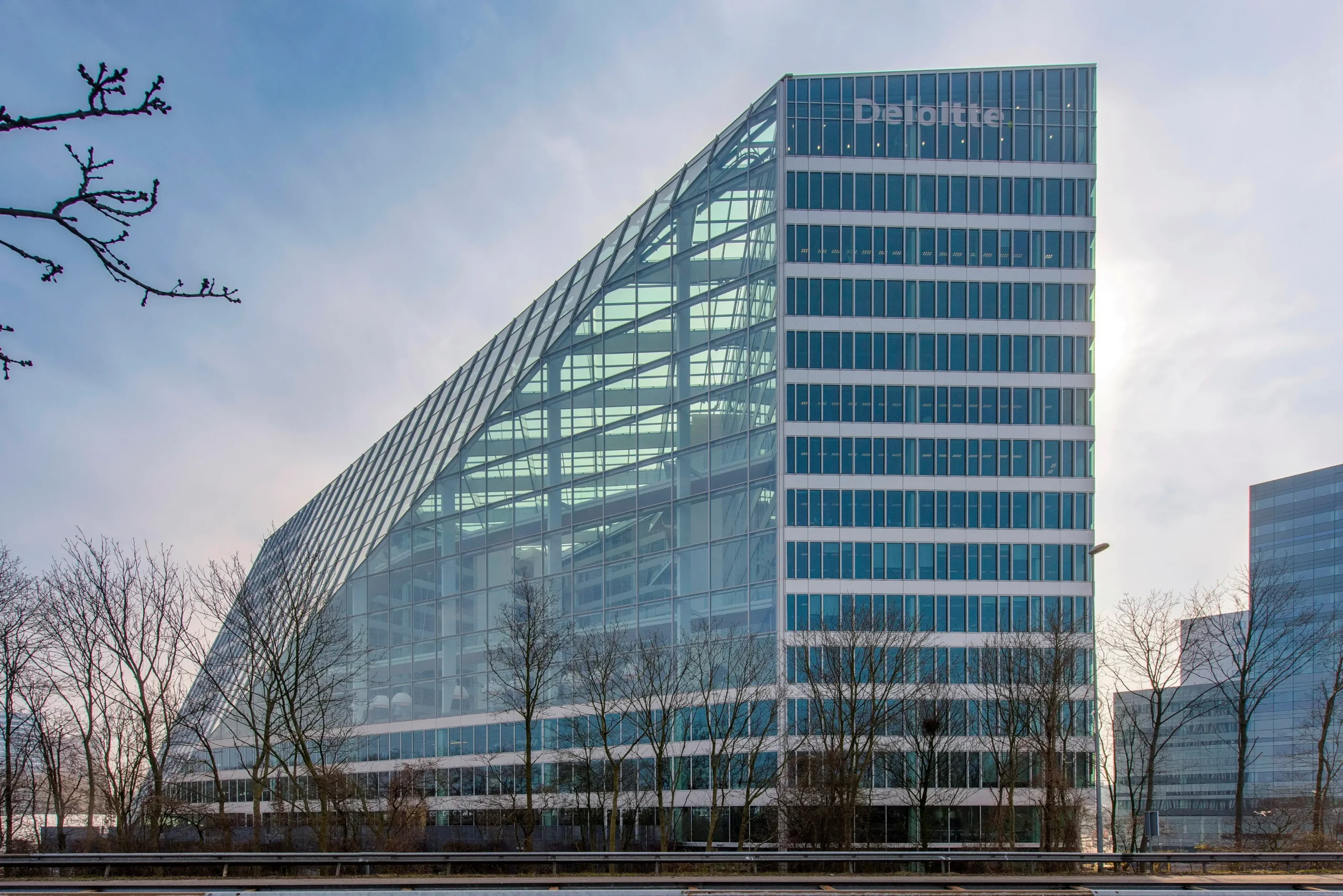
3. The Edge – Amsterdam, Netherlands
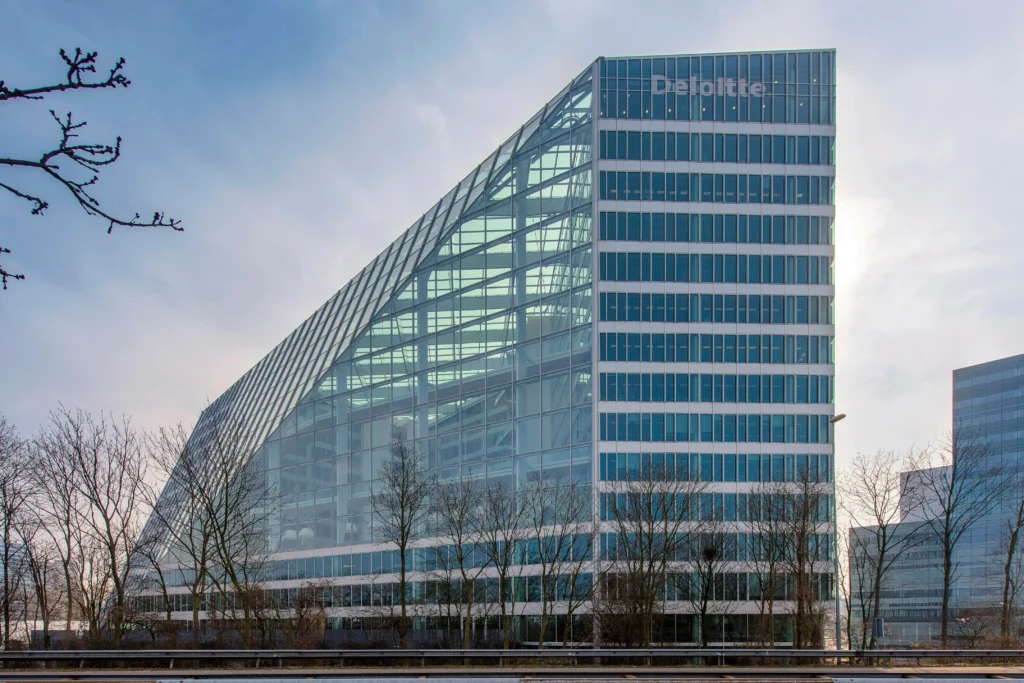
Known as one of the most sustainable office buildings in the world, The Edge integrates smart technology and renewable energy systems. With solar panels, rainwater harvesting, and automated lighting systems, it consumes significantly less energy than traditional buildings.
For investors, The Edge highlights how advanced smart technology integration boosts efficiency while providing tenants with a futuristic, eco-friendly workspace. It has consistently attracted top companies seeking high-performance buildings aligned with their ESG goals.
4. Parkroyal Collection Pickering – Singapore
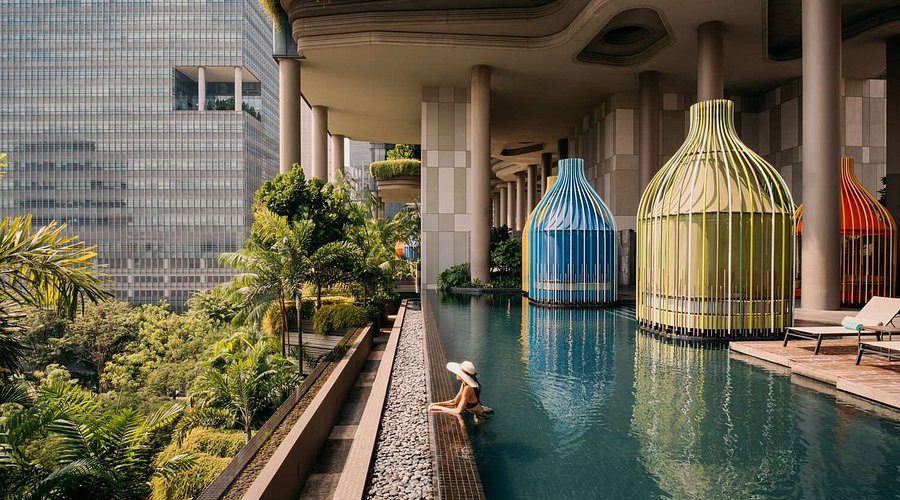
This hotel is a prime example of sustainable investment in hospitality real estate. Featuring extensive greenery, rainwater harvesting, and energy-efficient systems, the property blends luxury with eco-consciousness.
The project demonstrates how sustainability can differentiate brands in competitive industries like hospitality. Investors benefit from higher occupancy rates, stronger brand reputation, and alignment with Singapore’s sustainable development agenda.
Benefits of Green Building Investment
Investing in green buildings delivers advantages that go beyond financial returns.
-
Lower Operating Costs
Green-certified buildings consume less energy and water, leading to significant savings over time. Smart energy systems ensure resources are used efficiently, directly reducing expenses for both tenants and owners. -
Higher Property Value
Sustainable buildings tend to appreciate faster than conventional properties. Buyers and tenants increasingly value eco-conscious features, leading to stronger demand and higher resale potential. -
Regulatory Compliance
With environmental regulations becoming stricter, green investments ensure compliance and reduce risks associated with fines, retrofitting costs, or obsolescence. -
Enhanced Brand Reputation
Investors and companies associated with sustainable projects are seen as forward-thinking and socially responsible. This strengthens their image in both consumer and business markets. -
Future-Proofing Investments
Green buildings are less likely to become outdated in the face of new environmental policies or changing market demands, making them more resilient long-term investments.
Practical Use Cases of Green Building Investment
Green building investments address real-world challenges by providing sustainable solutions:
-
Urbanization Challenges
With rapid population growth, green buildings provide efficient housing and workspaces while reducing environmental strain. Vertical forests, for example, integrate greenery into dense cities. -
Climate Change Mitigation
By reducing energy consumption and promoting renewable sources, green buildings lower carbon emissions and help meet climate targets. -
Tenant Well-Being
Green buildings often include better air quality, natural lighting, and sustainable materials, enhancing occupant health and productivity. -
Economic Resilience
Investments in green construction provide long-term stability, as demand for eco-conscious buildings continues to rise globally.
Frequently Asked Questions
Q1. What makes a building considered “green” for investment?
A building is considered green when it incorporates sustainable practices such as energy efficiency, water conservation, eco-friendly materials, and renewable energy systems. Certification standards like LEED or BREEAM often validate these investments.
Q2. Is green building investment profitable compared to traditional real estate?
Yes, green buildings often yield higher rents, lower vacancy rates, and long-term savings. Although initial construction costs may be higher, the operational savings and increased demand make them highly profitable over time.
Q3. How does green building investment impact the environment?
Green building investments reduce carbon emissions, conserve resources, and promote healthier living environments. They play a critical role in global sustainability efforts and climate change mitigation.