Single Family Homes Benefits, Features, and Living Insights
Single-family homes are among the most common residential property types across the United States and many other countries. A single-family home is a detached residential property designed to house one family. Unlike multi-family units or condos, these homes are standalone structures, meaning they do not share walls with neighbors. They often come with private yards, driveways, and garages, which makes them a highly desirable option for many families.
The appeal of single-family homes lies not just in their structure, but also in the lifestyle they provide. Homeowners enjoy a sense of privacy, independence, and freedom that other housing types cannot fully match. For buyers, renters, or investors, understanding the characteristics of single-family homes is critical to making informed decisions about where to live or invest.
Key Features of Single-Family Homes
Single-family homes vary widely in size, design, and location, but they generally share several core characteristics. These include private ownership of both the land and the structure, private yards, and individual utility connections. Many single-family homes also feature multiple bedrooms and bathrooms, large kitchens, living areas, and garages.
In addition to these features, single-family homes are often located in suburban neighborhoods. This setting allows for more space, quiet surroundings, and access to community amenities such as parks and schools. Families seeking stability and comfort often choose this type of housing because it supports long-term living needs.
Real-World Examples of Single-Family Homes
1. Modern Suburban Home
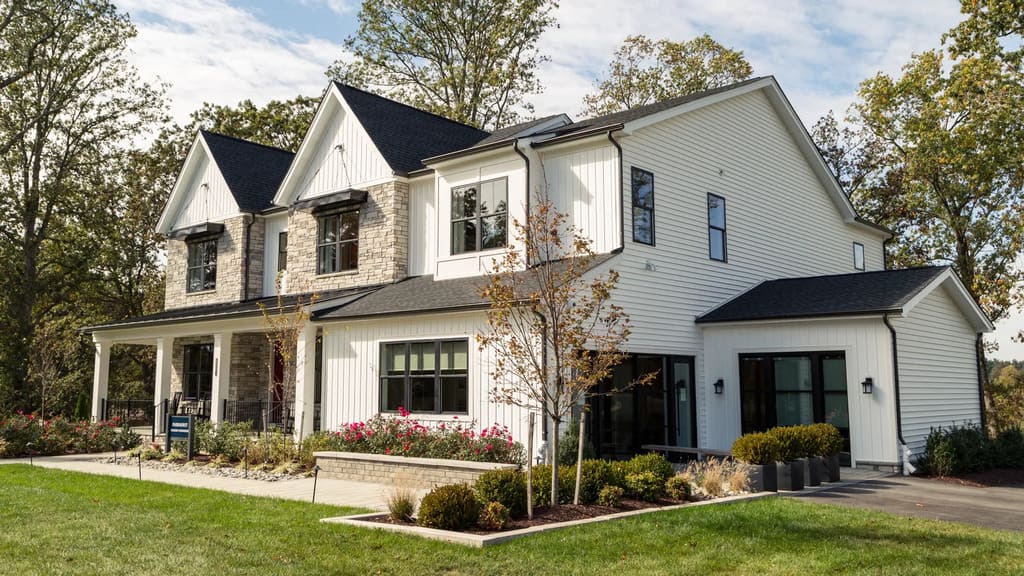
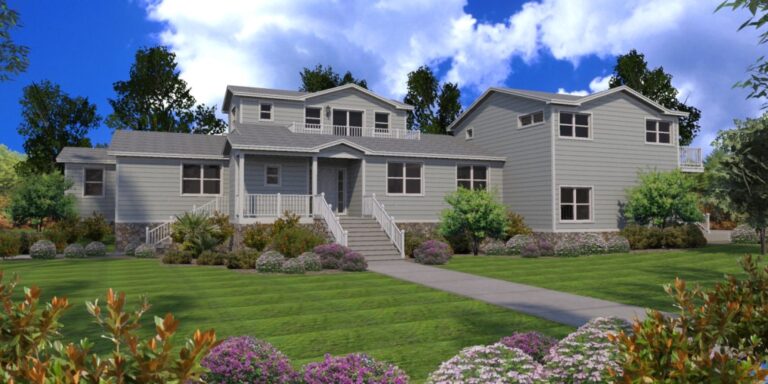
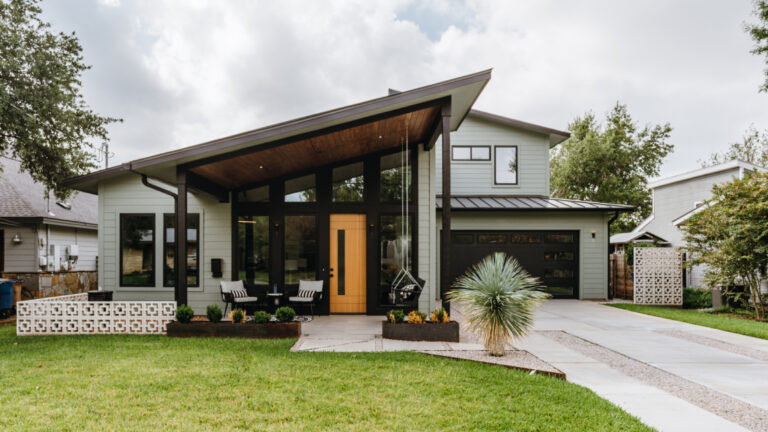
Modern suburban single-family homes represent the ideal choice for many middle-class families. These homes typically feature two stories, multiple bedrooms, and attached garages. They are designed with open floor plans, large kitchens, and landscaped front yards. Their suburban locations also allow for larger lot sizes compared to urban housing, providing more privacy and space for outdoor activities.
What makes suburban homes especially appealing is the sense of community and security they provide. Neighbors often form close-knit bonds, and schools are usually within proximity, making them a great option for families with children.
2. Ranch-Style Home
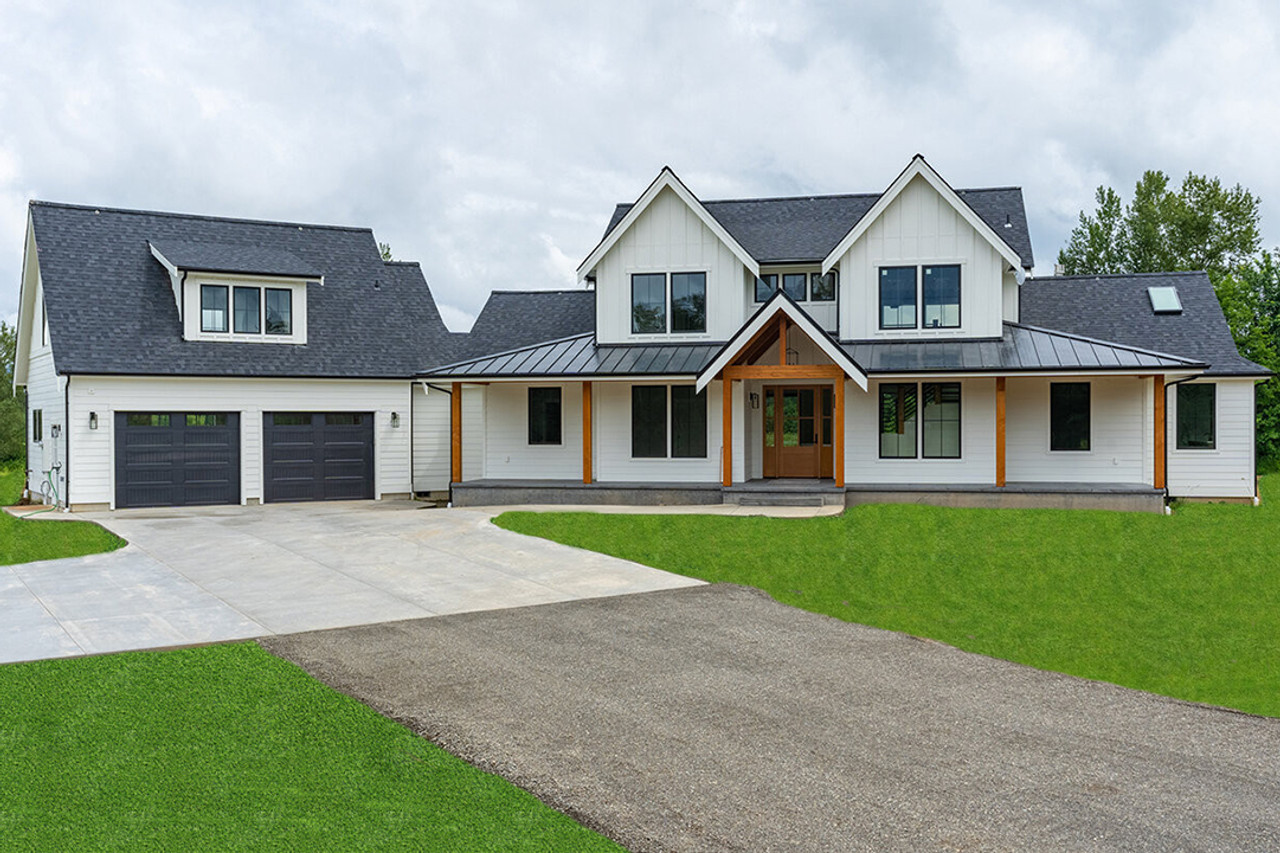
Ranch-style single-family homes are popular across the U.S., particularly in regions with larger land plots. These one-story houses are known for their wide layouts, open living spaces, and easy accessibility. Ranch homes often feature large windows, sliding doors, and patios that seamlessly connect indoor and outdoor living.
The ranch design appeals to homeowners who value simplicity and convenience. With everything on a single level, ranch homes are particularly attractive to older adults or those who prefer a layout without stairs. This design has stood the test of time, remaining a staple in many American suburbs.
3. Luxury Single Family Home
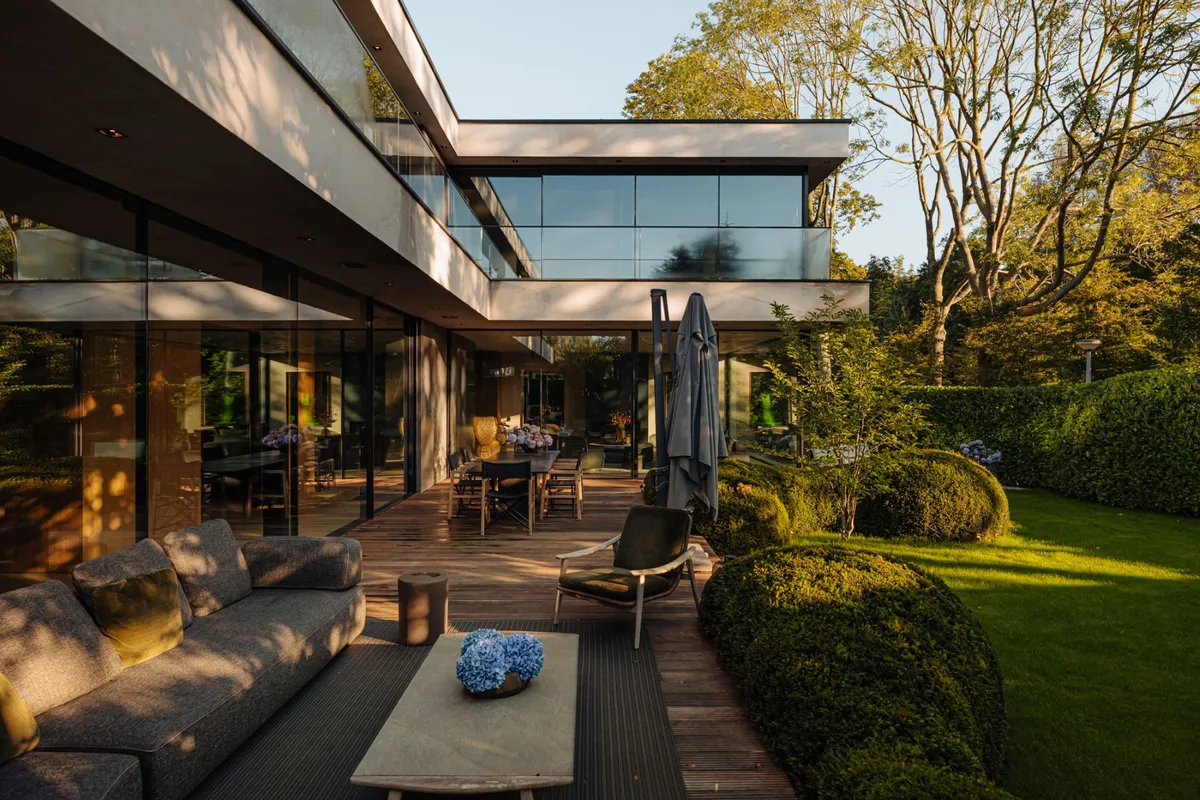
Luxury single-family homes showcase the upper end of the housing spectrum. These properties include high-end features such as gourmet kitchens, custom interiors, large master suites, and smart home technology. Many luxury homes also include amenities such as swimming pools, fitness rooms, and landscaped outdoor spaces.
While not accessible to everyone, luxury single-family homes demonstrate the potential of what this property type can offer. They are often located in exclusive neighborhoods and represent both a lifestyle choice and a significant financial investment.
4. Cottage-Style Home
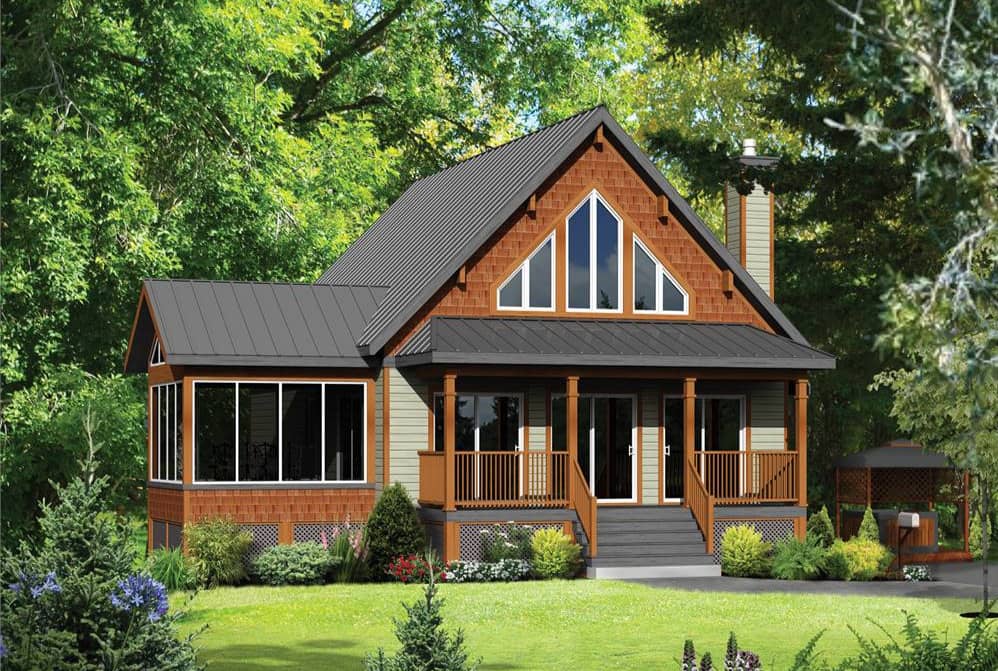
Cottage-style single-family homes bring charm and coziness to the housing market. These smaller properties are often found in scenic locations such as coastal towns or countryside areas. Cottages typically feature unique architectural designs, including gabled roofs, cozy porches, and detailed woodwork.
Despite their smaller size, cottages offer a comfortable living environment. They appeal to individuals or small families looking for character, charm, and affordability in their housing options. Their design blends practicality with aesthetics, making them highly desirable in niche markets.
Benefits of Living in Single-Family Homes
One of the primary benefits of it is privacy. With no shared walls or ceilings, families enjoy greater peace compared to apartments or condos. This makes them ideal for people who value tranquility and personal space.
Another advantage is the freedom to customize. Single-family homeowners have greater flexibility to remodel, paint, and landscape their properties. From building extensions to creating a backyard oasis, the possibilities are nearly endless. This sense of ownership allows families to personalize their space according to their needs and tastes.
How Technology Enhances Single-Family Homes
Modern technology has transformed how functions. Smart home systems now allow homeowners to control lighting, security, heating, and appliances through mobile apps. For example, installing smart security cameras provides added safety, while smart thermostats enhance energy efficiency.
Additionally, technology has made maintenance easier. Automated irrigation systems can keep lawns green, while home energy monitoring devices help track consumption. These technological upgrades not only improve comfort but also increase long-term property value.
Use Cases of Single-Family Homes in Everyday Life
Housing Stability for Families
Single-family homes offer long-term stability for growing families. With multiple bedrooms and private yards, children have space to play while parents can create a secure environment for their loved ones. These homes often become generational investments, passed down through families.
Investment Opportunities for Buyers
For real estate investors, it presents an attractive opportunity. They are relatively easy to rent out and appeal to a broad demographic of tenants, including families, professionals, and retirees. Their resale value is often more stable compared to condos or townhouses.
Lifestyle Flexibility
Cater to diverse lifestyles. For some, they provide the space to work from home effectively, with rooms easily converted into home offices. For others, they support outdoor hobbies such as gardening or entertaining. This versatility is one of the reasons they remain a popular choice.
Frequently Asked Questions
Q1. What makes a single-family home different from other housing types? A
single-family home is a standalone property designed for one family, with private ownership of the land and building. Unlike condos or townhouses, they do not share walls or common spaces with neighbors.
Q2. Are single-family homes a good investment?
Yes, they are often considered strong investments due to their broad rental appeal and stable resale value. They remain one of the most in-demand property types in real estate markets worldwide.
Q3. Why are single-family homes popular among families?
Families prefer them because of the privacy, space, and stability they provide. Features such as multiple bedrooms, private yards, and proximity to schools make them particularly appealing for long-term living.