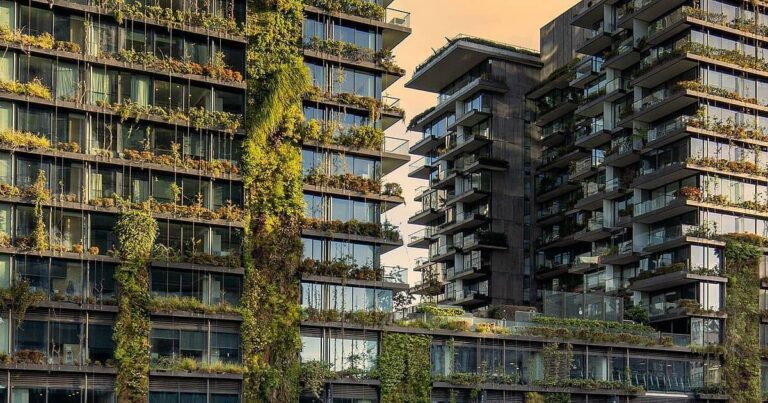
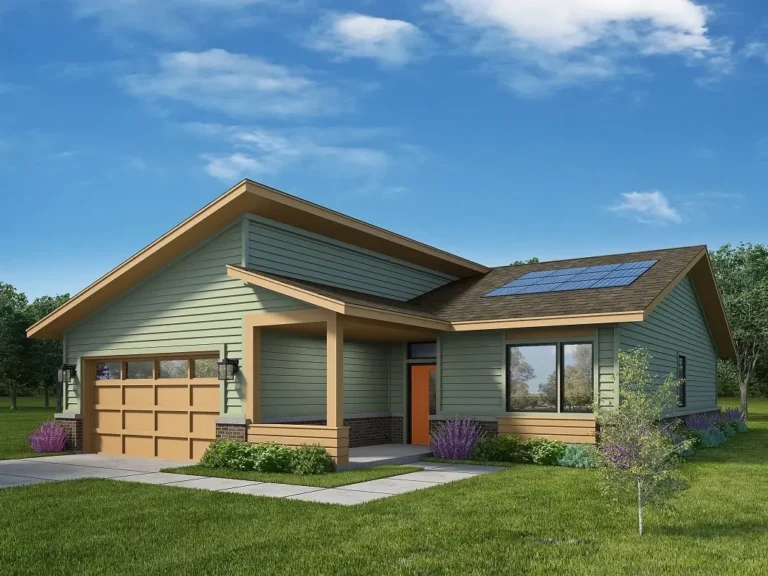
Sustainable Property Investment A Comprehensive Guide to Profitable and Eco-Friendly Real Estate
Sustainable property investment is emerging as one of the most important strategies in modern real estate. It focuses on developing, owning, or managing properties that minimize environmental impact, improve energy efficiency, and support long-term economic growth. Unlike traditional investments, sustainable property investment blends profitability with responsibility by addressing climate change, resource efficiency, and community well-being.
As environmental awareness grows and governments introduce stricter regulations, investors are increasingly recognizing the value of sustainable properties. These investments not only align with global sustainability goals but also provide long-term financial returns, reduced risks, and enhanced tenant demand.
What Is Sustainable Property Investment?
Sustainable property investment refers to the process of allocating resources into real estate projects that meet environmental, social, and governance (ESG) standards. These properties often include green-certified buildings, energy-efficient housing, and eco-friendly commercial developments.
The goal is twofold: reduce the ecological footprint while generating stable financial returns. By prioritizing renewable energy, sustainable building materials, and advanced technologies, these investments contribute to resilient and future-proof real estate markets.
Key Features of Sustainable Property Investment
Green Building Certifications
Certified green buildings such as LEED, BREEAM, or WELL are often the cornerstone of sustainable property investment. These certifications ensure that the property meets rigorous environmental and efficiency standards, boosting its value and credibility.
Renewable Energy Integration
Properties that integrate renewable energy sources like solar panels, wind turbines, or geothermal systems reduce dependence on fossil fuels. This directly lowers operational costs while enhancing long-term resilience.
Energy-Efficient Design
Efficient insulation, natural ventilation, smart lighting, and advanced HVAC systems contribute to reduced energy consumption. Investors benefit from lower operating costs and higher tenant satisfaction.
Sustainable Community Development
Beyond buildings, sustainable property investment often involves developing eco-friendly communities. These projects incorporate green spaces, walkable neighborhoods, and eco-transport solutions, making them highly attractive to modern residents.
Real-World Examples of Sustainable Property Investment
1. The Edge, Amsterdam, Netherlands
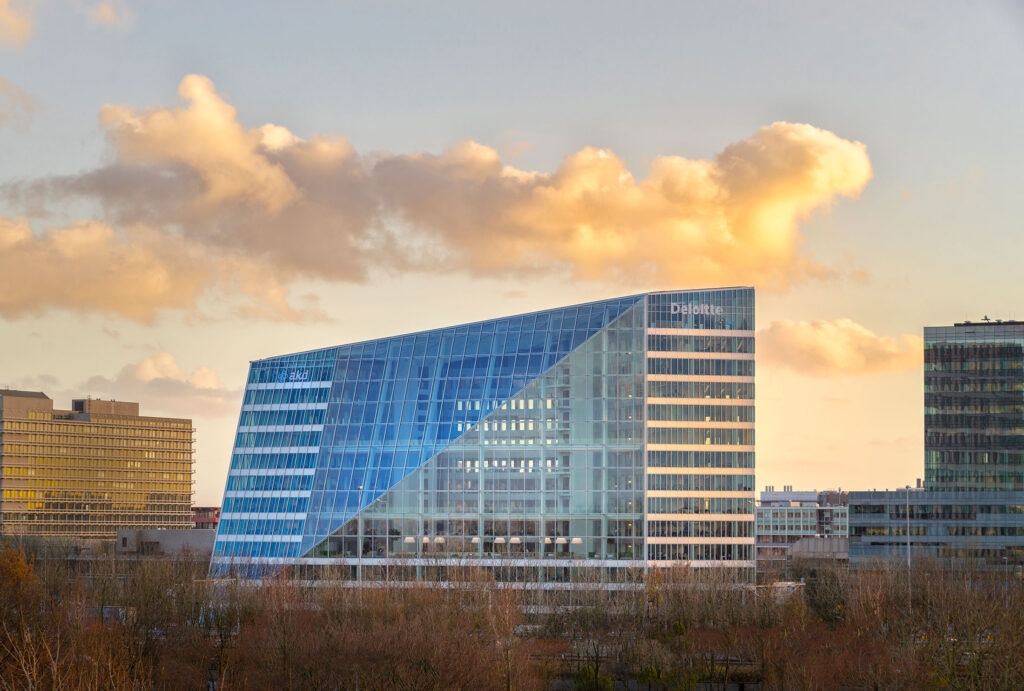
The Edge is considered one of the most sustainable office buildings in the world. Equipped with solar panels, energy-efficient lighting, and smart technology, it generates more energy than it consumes.
This project highlights how commercial properties can integrate sustainability while attracting high-profile tenants. For investors, it demonstrates the financial viability of combining innovation with green practices.
2. Bosco Verticale, Milan, Italy
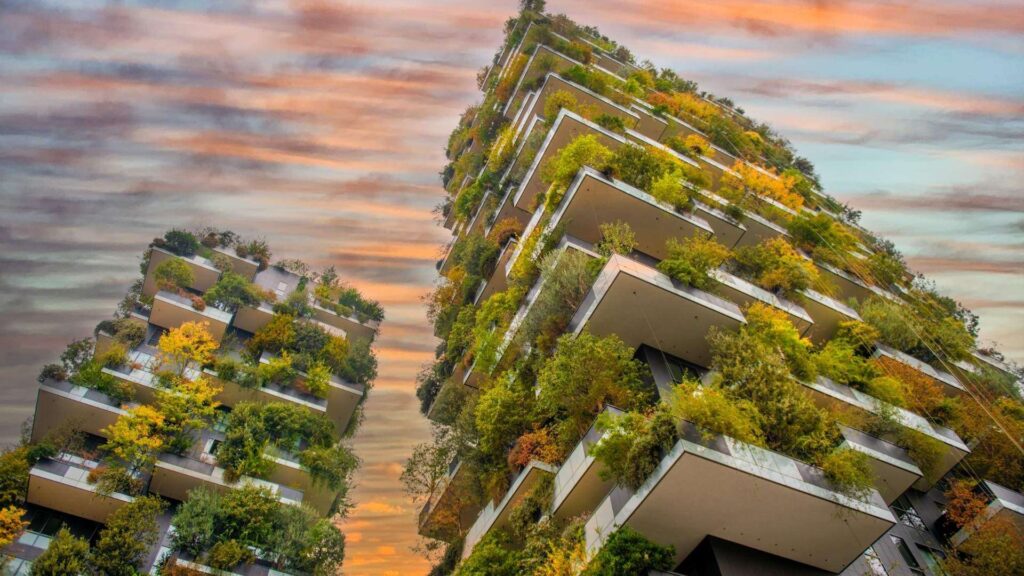
Bosco Verticale, or the “Vertical Forest,” is a pair of residential towers that incorporate over 900 trees and thousands of plants into their design. The vegetation helps regulate temperature, absorb CO₂, and improve air quality.
For sustainable property investors, Bosco Verticale is a landmark example of blending nature with architecture. It proves that eco-friendly design can enhance property appeal and market value while directly benefiting the environment.
3. One Central Park, Sydney, Australia
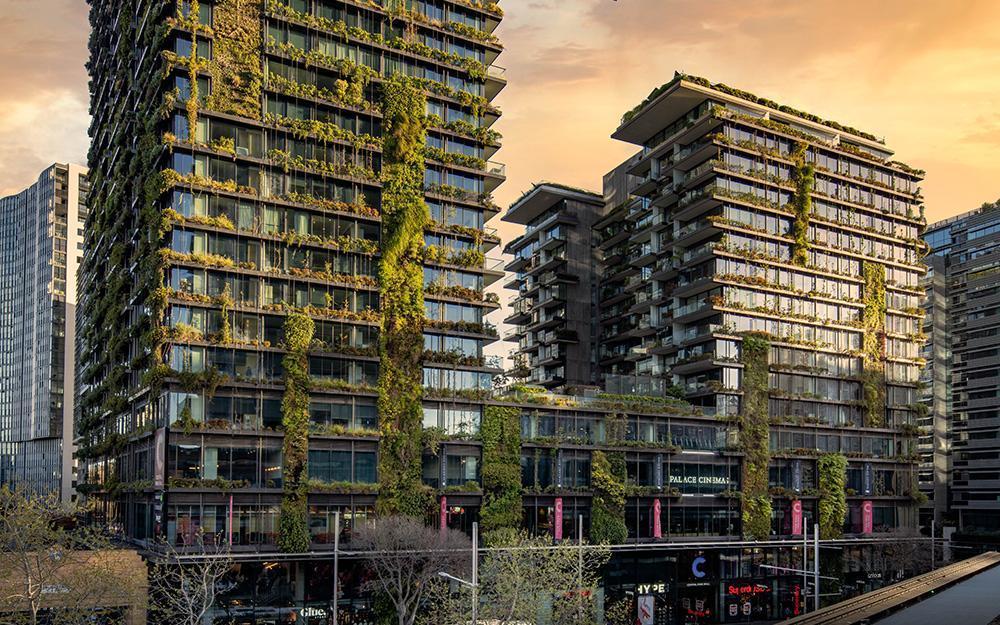
This mixed-use development is renowned for its vertical gardens and smart water recycling systems. It features energy-efficient lighting, renewable energy integration, and eco-friendly landscaping.
The project demonstrates how sustainable property investment can create vibrant urban spaces that combine retail, residential, and community functions while maintaining environmental responsibility.
4. King’s Cross Redevelopment, London, UK
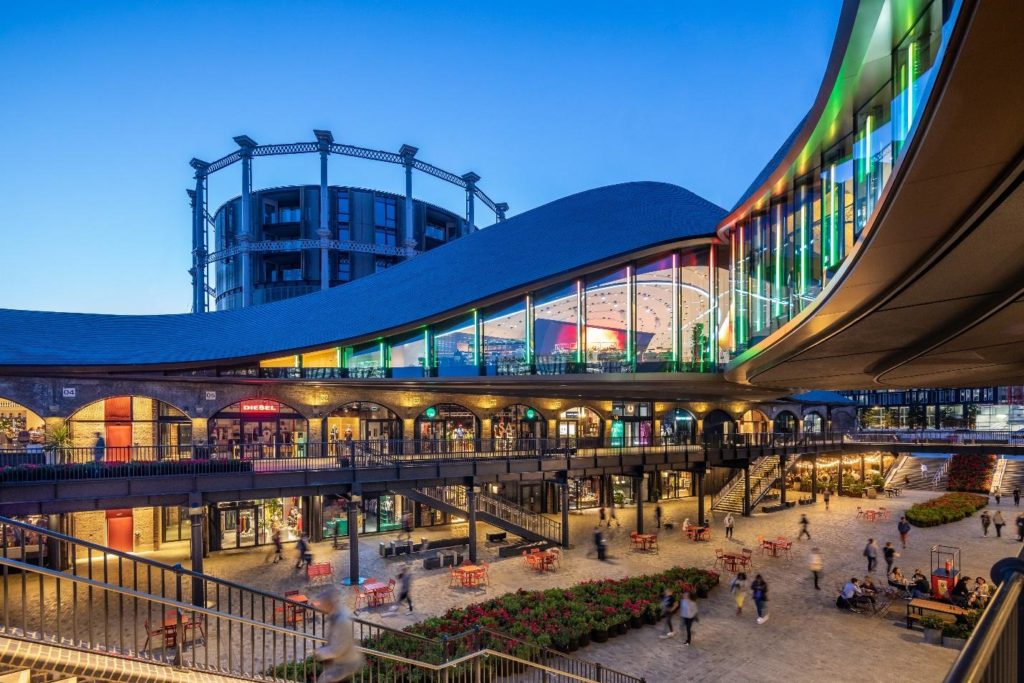
The King’s Cross project integrates sustainable transport, green spaces, and energy-efficient infrastructure into a large-scale urban redevelopment. It is recognized for combining economic growth with environmental stewardship.
Investors see it as a case study in how sustainable development can revitalize urban areas, attract businesses, and generate strong long-term returns.
Benefits of Sustainable Property Investment
Long-Term Profitability
Sustainable properties often achieve higher rental yields and increased resale values. With growing demand for eco-friendly spaces, investors benefit from strong market positioning.
Reduced Operational Costs
Energy-efficient buildings reduce utility bills, water consumption, and maintenance expenses. This ensures that investors and tenants alike experience significant cost savings over time.
Enhanced Market Demand
Tenants are increasingly drawn to sustainable properties for health, wellness, and cost-efficiency benefits. For investors, this translates into lower vacancy rates and higher occupancy stability.
Risk Mitigation
By complying with evolving regulations and addressing climate risks, sustainable property investments reduce exposure to future liabilities. This creates a resilient portfolio that can withstand regulatory and environmental challenges.
Role of Technology in Sustainable Property Investment
Technology plays a critical role in maximizing sustainability. Smart building management systems monitor energy and water use in real time, allowing for adjustments that optimize efficiency.
Artificial intelligence and data analytics help predict maintenance needs, reducing waste and costs. Additionally, renewable energy storage solutions ensure reliable power access. Digital platforms also connect investors with green-certified projects, making sustainable property investment more accessible.
Use Cases of Sustainable Property Investment
Urban Redevelopment
Sustainable property investment is essential in revitalizing old neighborhoods. By incorporating eco-friendly infrastructure and green-certified buildings, investors can transform outdated districts into thriving, modern communities.
Residential Market Growth
Eco-conscious homeowners increasingly prefer sustainable housing. Investing in energy-efficient apartments or carbon-neutral homes aligns with this growing demand, ensuring stable returns.
Commercial Real Estate Demand
Businesses are under pressure to meet ESG commitments. Green office spaces, like The Edge in Amsterdam, attract corporate tenants who prioritize sustainability, making them a lucrative investment.
Climate-Resilient Infrastructure
Addresses the risk of extreme weather. By focusing on resilient design, properties are better equipped to handle floods, heatwaves, and storms, reducing long-term damage costs.
Frequently Asked Questions
Q1. Why is sustainable property investment becoming so popular?
Combines profitability with environmental responsibility. With increasing regulatory demands and consumer preference for green spaces, investors find sustainable properties both future-proof and financially rewarding.
Q2. Is sustainable property investment more expensive?
While initial costs may be higher due to eco-friendly materials and technologies, the long-term savings in energy, maintenance, and higher rental yields outweigh the upfront investment.
Q3. Can sustainable property investment apply to existing buildings?
Yes. Retrofitting older properties with energy-efficient systems, renewable energy, and sustainable materials is a growing trend. This makes sustainability accessible across both new developments and existing real estate assets.