Affordable Housing A Complete Guide to Accessible and Sustainable Living
Affordable housing is one of the most pressing issues in modern society, affecting millions of people across the globe. With rising property costs, urban migration, and limited land availability, finding housing that balances cost, quality, and accessibility has become more important than ever.
This guide provides a comprehensive look at affordable housing, exploring what it means, why it matters, the role of technology, real-world examples of housing projects, and practical benefits. It also highlights how affordable housing can solve real-life challenges and why it remains an essential part of sustainable urban development.
Understanding Affordable Housing
Affordable housing refers to housing options that are reasonably priced relative to household income, ensuring that families and individuals can secure a safe and adequate living space without compromising their other essential needs. It is usually defined as housing that costs no more than 30% of a household’s income.
Governments, urban planners, and nonprofit organizations often work together to make affordable housing possible through subsidies, tax incentives, and dedicated construction projects. These housing initiatives can take the form of rental apartments, small homes, or even community-based housing complexes.
Affordable housing is not just about cost-it also considers factors like location, access to public transport, safety, and quality of infrastructure. The goal is to provide homes that people can sustain over the long term without financial strain.
Why Affordable Housing Matters
Affordable housing is more than just a roof over one’s head-it is the foundation for stability, health, and economic growth.
Firstly, it provides financial relief. Families who spend less on housing can allocate more resources to education, healthcare, and savings, improving their overall quality of life.
Secondly, it reduces homelessness and housing insecurity. By creating sustainable housing solutions, cities can provide stable environments for vulnerable populations, including low-income workers, students, and retirees.
Lastly, supports economic mobility. When people have secure housing, they are better positioned to pursue job opportunities, education, and personal development. It also promotes diversity in urban communities by allowing people from different income levels to live in the same areas.
The Role of Technology in Affordable Housing
Technology has become a vital tool in designing, building, and managing affordable housing projects. From construction methods to property management, innovations are making housing more cost-efficient and sustainable.
One major advancement is modular and prefabricated construction. These techniques use factory-produced components that are assembled on-site, reducing both labor costs and construction time. This makes it possible to create units faster and at lower costs compared to traditional building methods.
Technology also improves energy efficiency. Smart meters, solar panels, and energy-efficient appliances reduce utility bills, making homes more affordable in the long run. Residents not only benefit financially but also contribute to sustainable living practices.
Additionally, digital platforms help manage housing applications and connect residents with available units. Online portals make it easier for people to find opportunities, while property management apps streamline rent collection and maintenance requests.
Real-World Examples of Affordable Housing Projects
1. Habitat Modular Homes
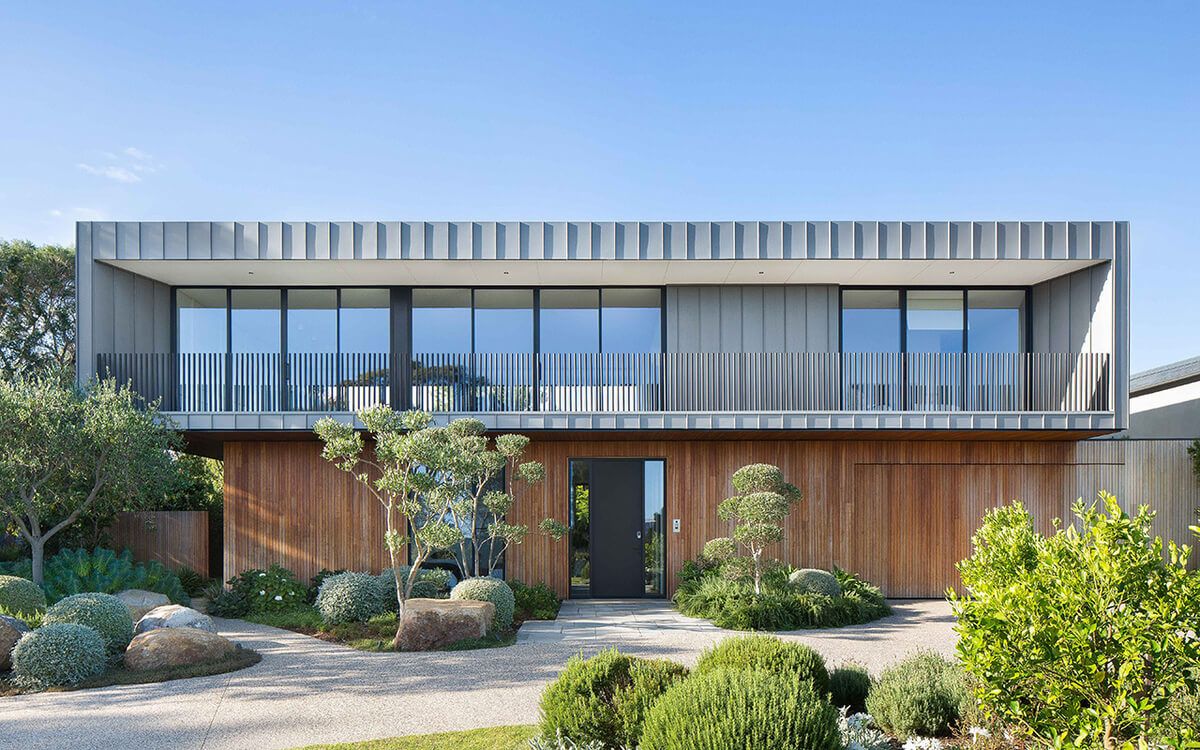
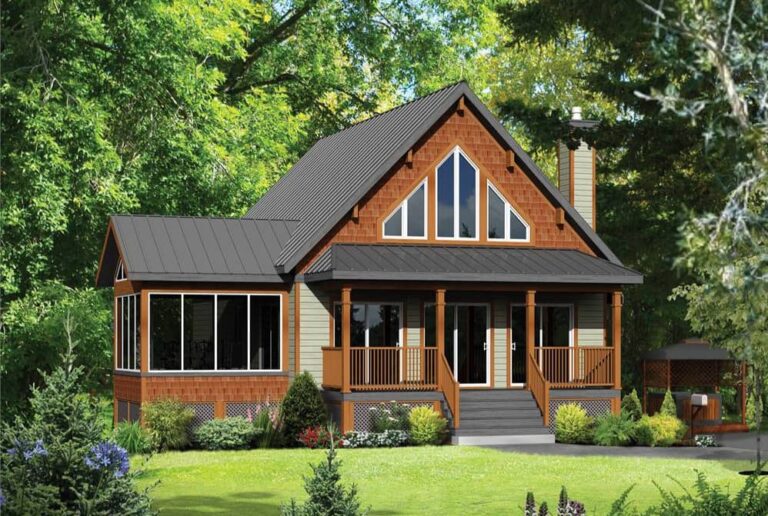
Habitat Modular Homes represent a new wave of affordable housing built with prefabricated technology. These homes are assembled quickly and designed to be energy-efficient. They are particularly popular in areas where land costs are high, as modular construction reduces overall expenses while maintaining durability.
The relevance of Habitat Modular Homes is that they prove that you do not have to compromise on quality. Families living in these units benefit from modern design, reliable construction, and lower living costs.
2. Green Living Apartments

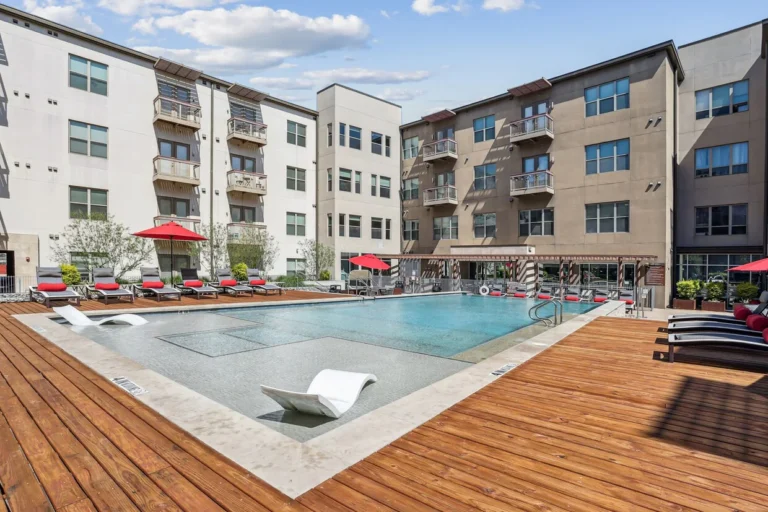
Green Living Apartments are urban complexes designed to provide in city centers. These developments include energy-efficient systems, shared green spaces, and access to public transportation. The goal is to give residents a sustainable lifestyle while keeping costs manageable.
This example shows how to blend urban living with eco-friendly design. Residents benefit from reduced energy bills and improved well-being while enjoying the advantages of living near schools, offices, and shopping centers.
3. Community Housing Villages
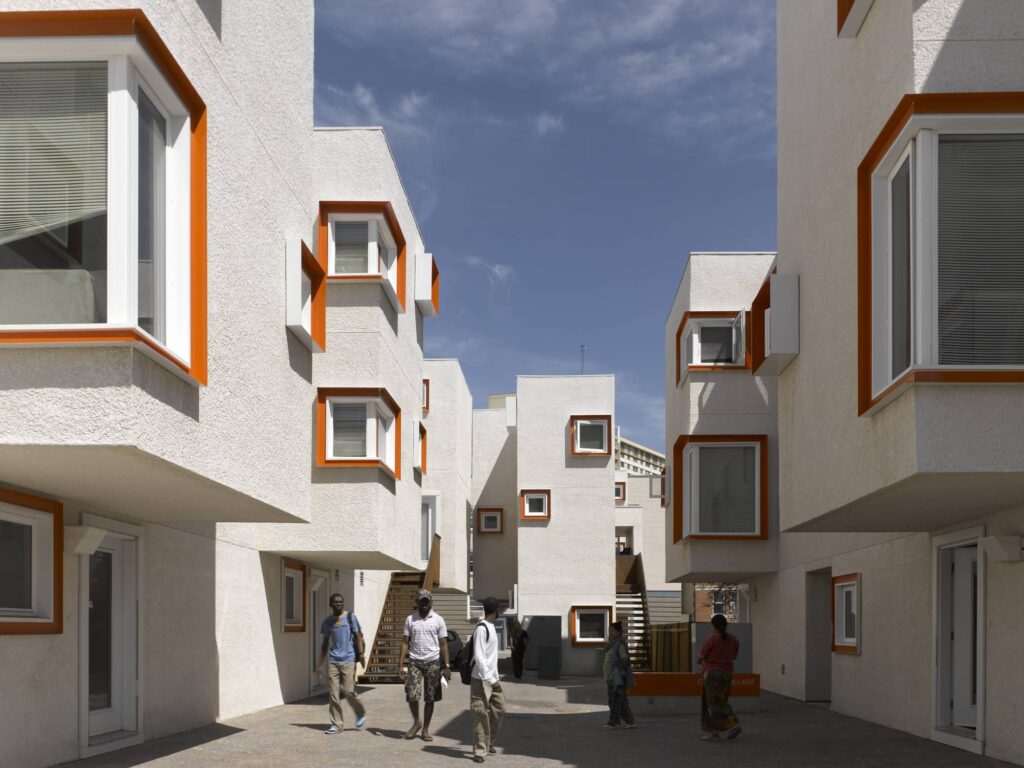
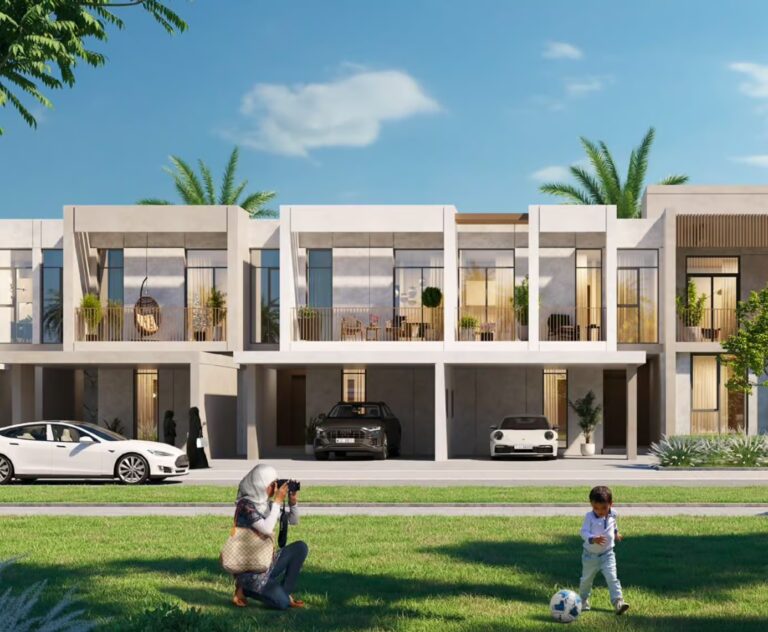
Community Housing Villages are designed for low-income families and retirees. These developments often include shared amenities like playgrounds, community halls, and healthcare access points. Residents are encouraged to engage in community activities, fostering a strong sense of belonging.
The importance of this example lies in its community-focused design. Affordable housing is not just about individual units but about creating supportive environments where people thrive socially and economically.
4. EcoSmart Small Homes
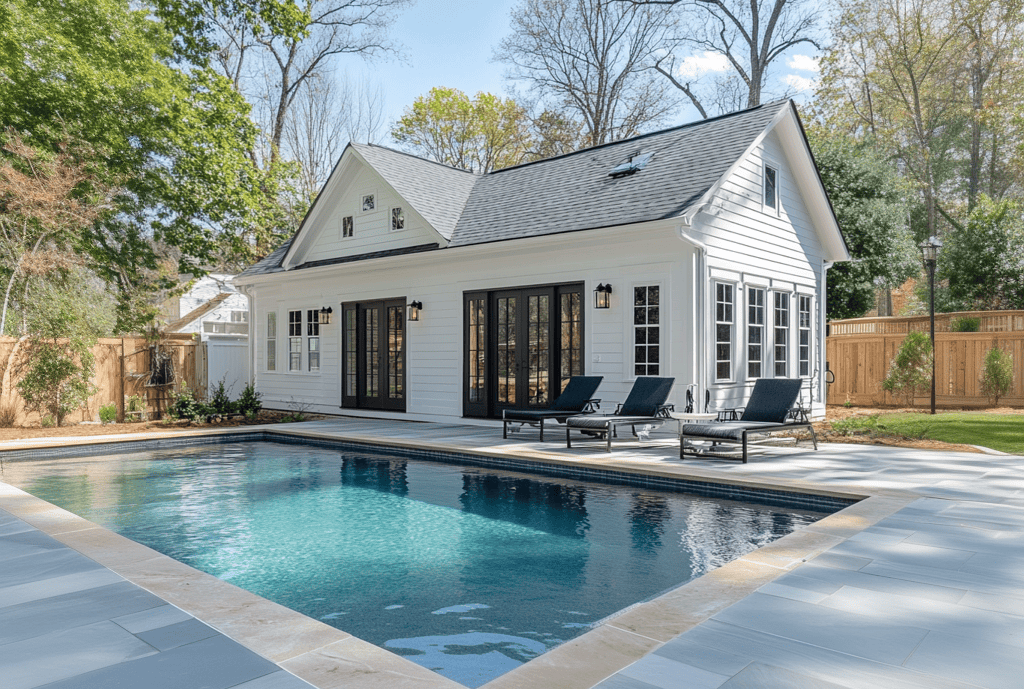
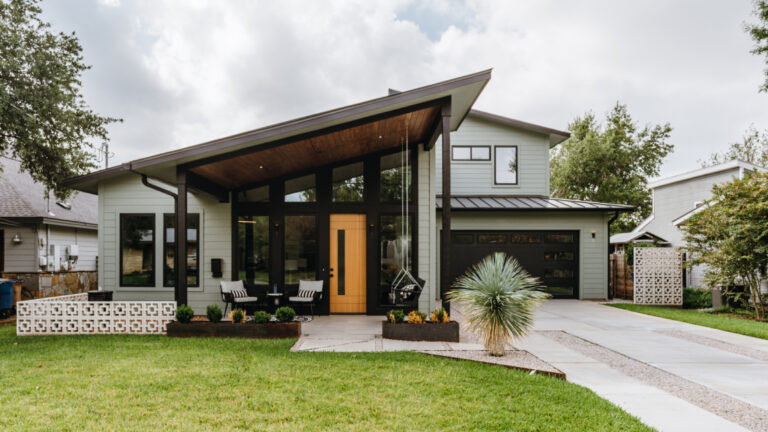
EcoSmart Small Homes use innovative designs and sustainable materials to create compact yet comfortable living spaces. These homes often come with solar panels, rainwater harvesting systems, and smart appliances. They are targeted toward individuals or small families who want low-cost but eco-friendly housing options.
This example highlights how it can align with sustainability goals. Residents enjoy reduced utility costs and environmentally friendly living while still benefiting from affordable ownership or rental options.
Benefits of Affordable Housing
Affordable housing provides multiple benefits that extend beyond cost savings.
-
Improved Quality of Life: Families have more financial freedom to focus on education, healthcare, and personal development when they are not burdened by high housing costs.
-
Health and Stability: Affordable housing reduces stress and insecurity, leading to better mental and physical health outcomes for residents.
-
Sustainable Communities: By integrating eco-friendly technologies, it contributes to long-term sustainability while reducing utility bills for residents.
-
Economic Growth: Affordable housing enables workers to live closer to job centers, boosting productivity and reducing commuting times.
-
Stronger Communities: Housing projects often include shared spaces and facilities, promoting social interaction and community development.
Use Cases of Affordable Housing in Real Life
For Low-Income Families
Ensures families can live in safe environments without sacrificing necessities like food or education. It provides stability for children and allows parents to focus on long-term goals.
For Students and Young Professionals
Options such as small apartments or shared living spaces help students and young professionals live close to universities and workplaces. This reduces commuting time and provides a foundation for career growth.
For Retirees
Retirees often rely on fixed incomes, making it essential for maintaining independence. Specially designed senior-friendly units ensure comfort, safety, and community support.
For Urban Workers
Affordable housing near city centers supports workers in hospitality, healthcare, and retail. Reducing commuting distances iaves time, lowers expenses, and helps balance work-life commitments.
Frequently Asked Questions
Q1. What qualifies as affordable housing?
Affordable housing is typically defined as housing that costs no more than 30% of a household’s income, ensuring residents can meet other basic needs while maintaining secure housing.
Q2. How does technology make affordable housing better?
Technology improves by reducing construction costs with modular methods, enhancing energy efficiency through smart systems, and simplifying housing access with digital platforms.
Q3. Who benefits most from affordable housing?
Affordable housing benefits a wide range of people, including low-income families, students, retirees, and essential workers. It provides financial relief, stability, and access to opportunities.