Eco Housing Projects Building a Sustainable Future with Green Living Solutions
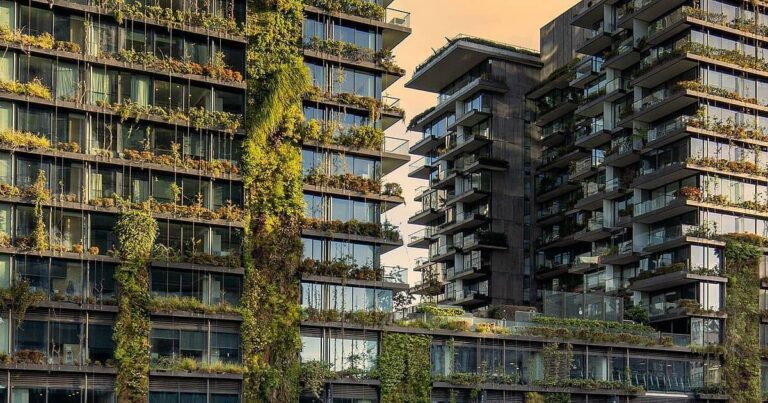
Eco housing projects represent a groundbreaking shift in the way communities are built, focusing on sustainability, energy efficiency, and reduced environmental impact. Unlike traditional housing developments, these projects integrate eco-friendly materials, renewable energy systems, and green technologies to create healthier and more sustainable living environments.
As the demand for environmentally conscious living grows, eco housing projects have become an integral part of real estate development. They not only address environmental concerns but also provide residents with healthier, cost-effective, and resilient homes.
What Makes Eco Housing Projects Unique?
Eco housing projects are designed around the principle of minimizing the environmental footprint. This is achieved through the use of sustainable materials, water-efficient systems, renewable energy sources, and smart design layouts that maximize natural light and ventilation.
The uniqueness lies in their holistic approach. Rather than focusing solely on energy savings, eco housing integrates aspects of wellness, affordability, and long-term resilience. These projects often incorporate green spaces, shared community gardens, and rainwater harvesting systems to reduce reliance on conventional resources.
Key Features of Eco Housing Projects
Sustainable Building Materials
One of the most significant aspects of eco housing is the use of renewable and non-toxic materials. Recycled wood, bamboo, natural stone, and low-VOC paints are commonly used to reduce environmental damage and improve indoor air quality.
These materials not only reduce the carbon footprint but also extend the lifecycle of the housing units. For instance, bamboo grows much faster than traditional timber, making it a highly renewable choice.
Energy-Efficient Design
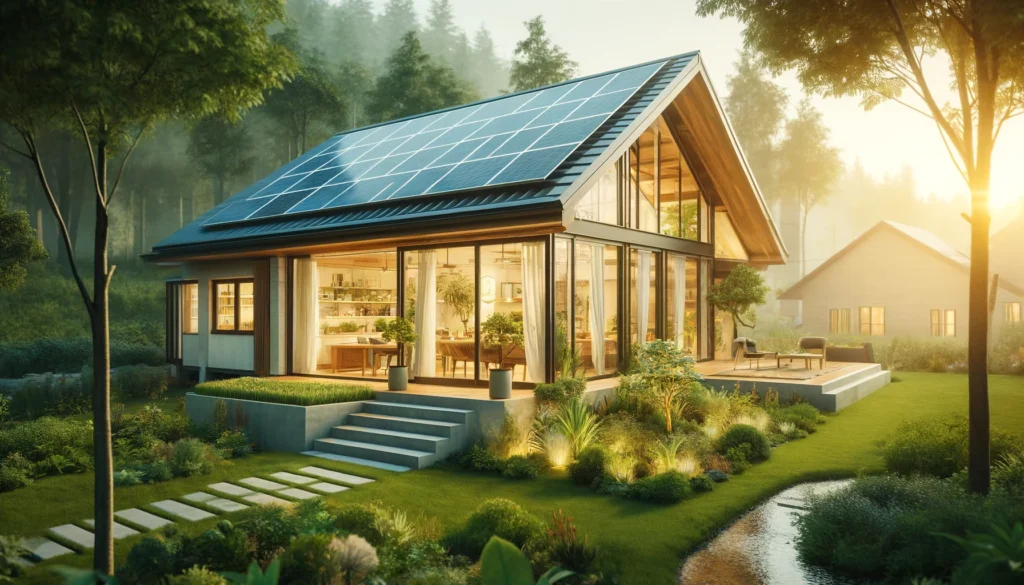
Energy efficiency is at the core of eco housing projects. Passive solar design, high-performance insulation, and double-glazed windows reduce heating and cooling needs. The integration of solar panels and energy storage systems further enhances sustainability, enabling households to rely less on conventional electricity grids.
Water Conservation Systems
Many eco housing developments integrate water-saving technologies such as low-flow fixtures, dual-flush toilets, and rainwater harvesting. These measures significantly reduce water usage, a vital step in regions facing water scarcity.
Real-World Examples of Eco Housing Projects
1. BedZED (Beddington Zero Energy Development), London, UK
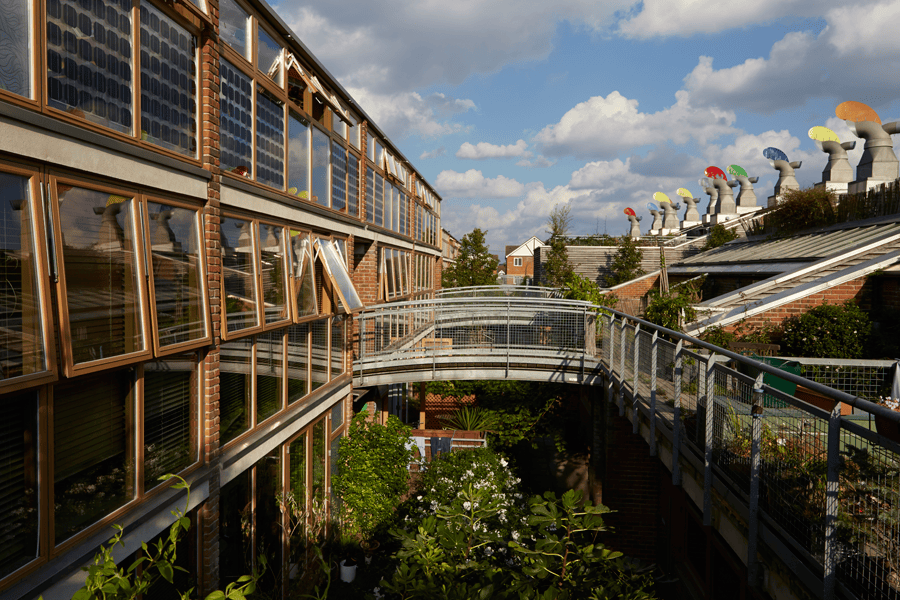
BedZED is one of the world’s most iconic eco housing projects, designed to be a carbon-neutral community. The development features solar panels, wind cowls for natural ventilation, and energy-efficient appliances.
The project showcases how urban living can align with environmental responsibility. Residents report lower utility bills and improved air quality, while the design integrates shared green spaces to foster community engagement.
2. Vauban District, Freiburg, Germany
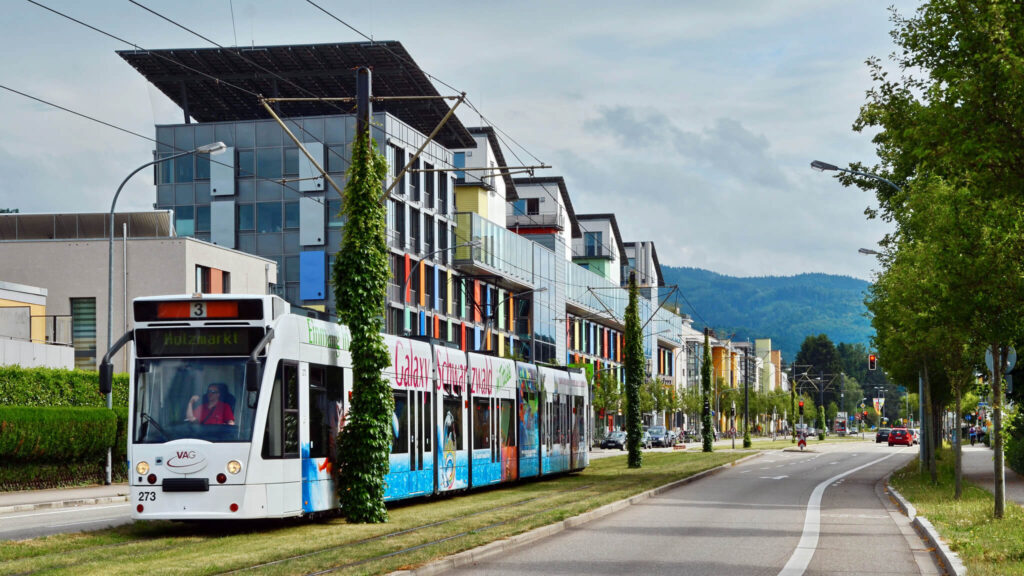
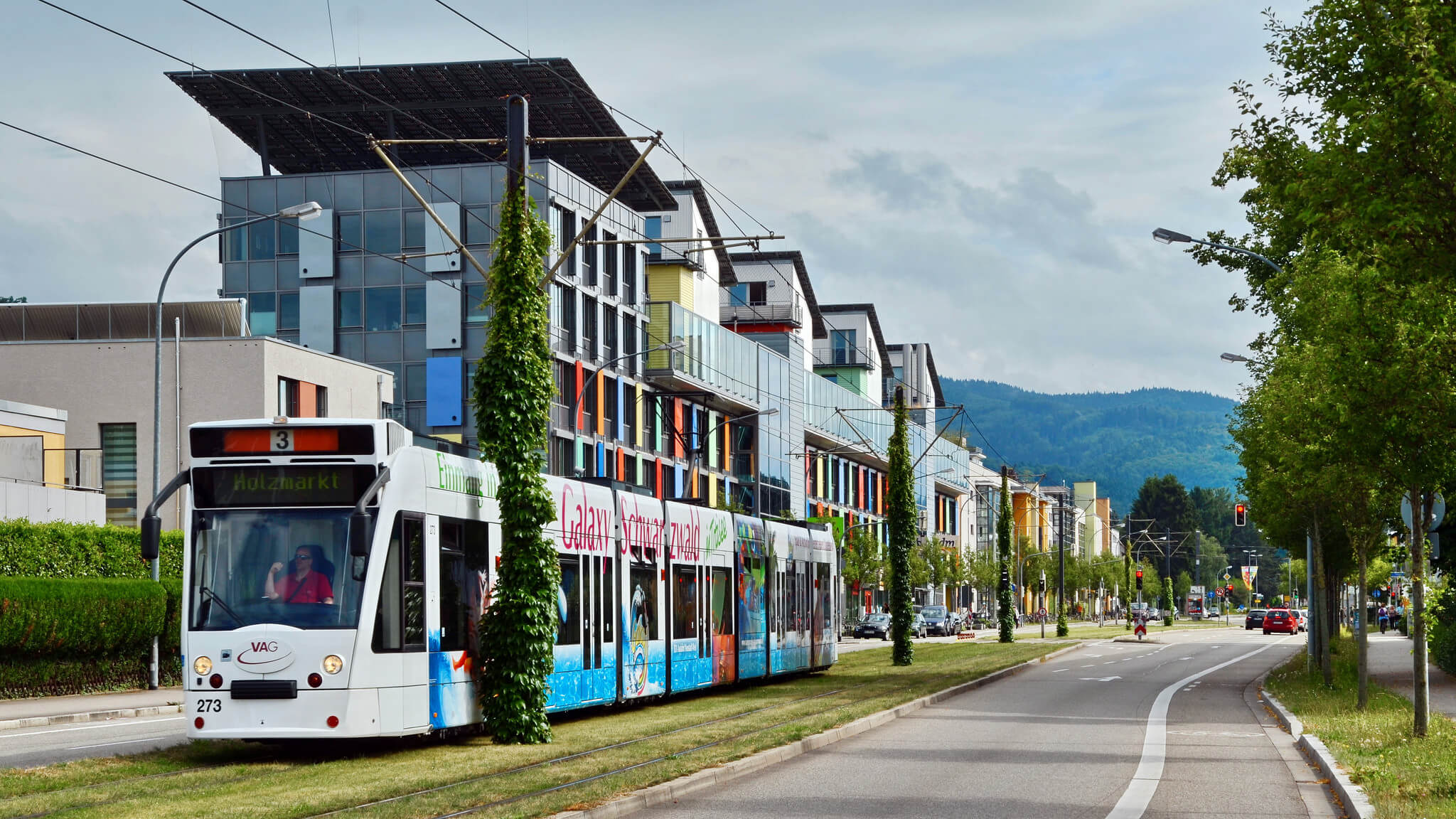
The Vauban District is a prime example of large-scale eco housing planning. Built on former military land, this neighborhood incorporates passive houses, renewable energy sources, and car-free zones.
The area demonstrates how eco housing can scale up to create sustainable urban communities. With an emphasis on renewable energy and public transportation, Vauban has become a global model for eco-friendly residential development.
3. Tierra del Agua Eco Village, Costa Rica
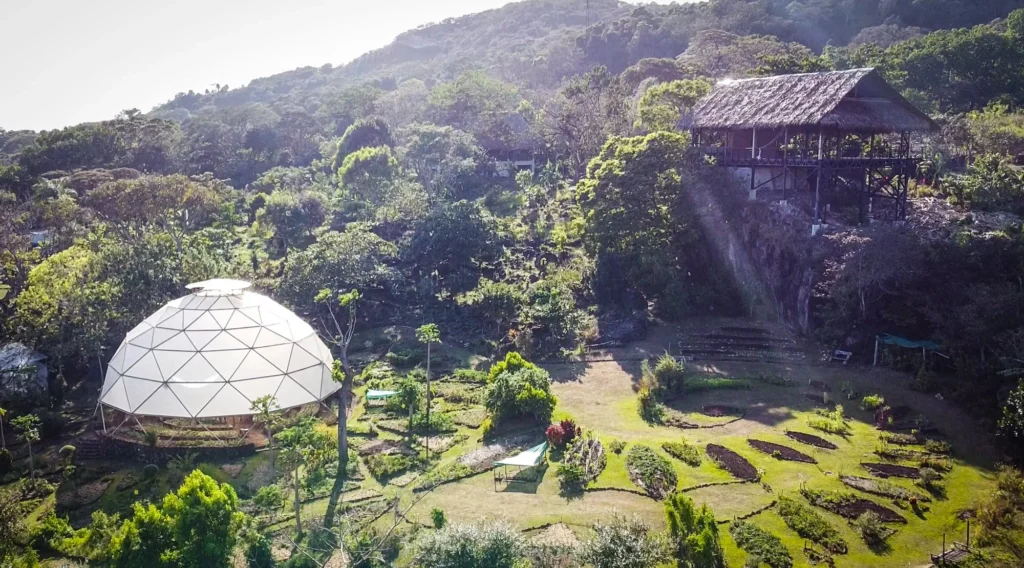
Tierra del Agua is an eco village that blends natural beauty with sustainable living practices. Homes are built with locally sourced materials, and renewable energy powers the community.
The project highlights how eco housing can integrate cultural heritage and local resources while reducing environmental harm. It serves as a destination for eco-tourism and education, showing the broader applications of sustainable housing projects.
Benefits of Eco Housing Projects
Environmental Benefits
Reduce carbon emissions, conserve natural resources, and minimize waste. By relying on renewable energy and sustainable building methods, they help mitigate climate change and protect ecosystems.
Health and Wellness Advantages
Eco-friendly homes typically offer better indoor air quality, more natural light, and improved ventilation. This reduces exposure to harmful toxins and fosters healthier lifestyles for residents.
Long-Term Cost Savings
Although initial investment may be higher, lead to significant savings in utility bills, water consumption, and maintenance costs. Energy-efficient appliances and renewable power sources provide financial relief over time.
Community Engagement
Many eco housing developments integrate communal spaces such as shared gardens, recreational areas, and renewable energy co-ops. These encourage collaboration, strengthen community bonds, and promote sustainable habits.
How Technology Supports Eco Housing Projects
Modern technologies play a critical role in advancing eco housing. Smart home automation systems allow residents to monitor energy usage, water consumption, and indoor air quality in real time.
Renewable energy technologies like solar panels, wind turbines, and battery storage systems ensure that households can reduce dependency on traditional energy grids. Additionally, building information modeling (BIM) technology helps architects design more efficient and sustainable housing layouts.
Use Cases of Eco Housing Projects
Solving Energy Insecurity
In regions where electricity supply is unreliable, eco housing with renewable energy systems ensures consistent access to power. This supports families, schools, and businesses, reducing reliance on fossil fuels.
Reducing Urban Pollution
That prioritize green transport, like bicycle lanes and electric vehicle charging stations, help reduce air pollution. This is particularly useful in congested cities.
Providing Affordable Housing Solutions
By reducing utility costs, eco housing becomes an affordable alternative for low-income families. Long-term cost savings ensure residents are not burdened with high living expenses.
Climate Resilience
Are designed to withstand environmental challenges such as floods, heatwaves, and storms. This resilience is crucial in areas prone to extreme weather events.
Frequently Asked Questions
Q1. What is the main goal of eco housing projects?
The primary goal is to create sustainable living spaces that minimize environmental impact while promoting health, affordability, and community resilience.
Q2. Are eco housing projects more expensive than traditional housing?
Initially, they may involve higher upfront costs due to sustainable materials and technologies. However, long-term savings on utilities and maintenance often outweigh the initial investment.
Q3. Can eco housing projects work in urban areas?
Yes. Many successful projects, like the Vauban District in Germany, show that eco housing can thrive in urban settings. By combining renewable energy, efficient design, and community planning, eco housing can reshape city living.