Connected Homes How Smart Technology is Transforming Modern Living
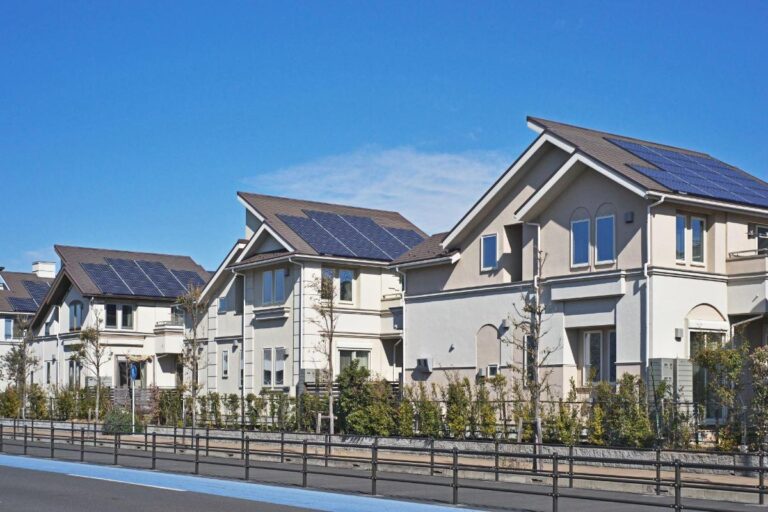
The concept of connected homes has become one of the most exciting transformations in modern living. These homes integrate smart devices, IoT sensors, and automation systems to create a seamless living environment where every device communicates with one another.
Connected homes go beyond simple automation-they represent an ecosystem of intelligent technologies designed to improve energy efficiency, convenience, safety, and entertainment. From smart thermostats that learn your preferences to AI-driven assistants that manage daily routines, connected homes are redefining what it means to live comfortably in the digital age.
What Are Connected Homes?
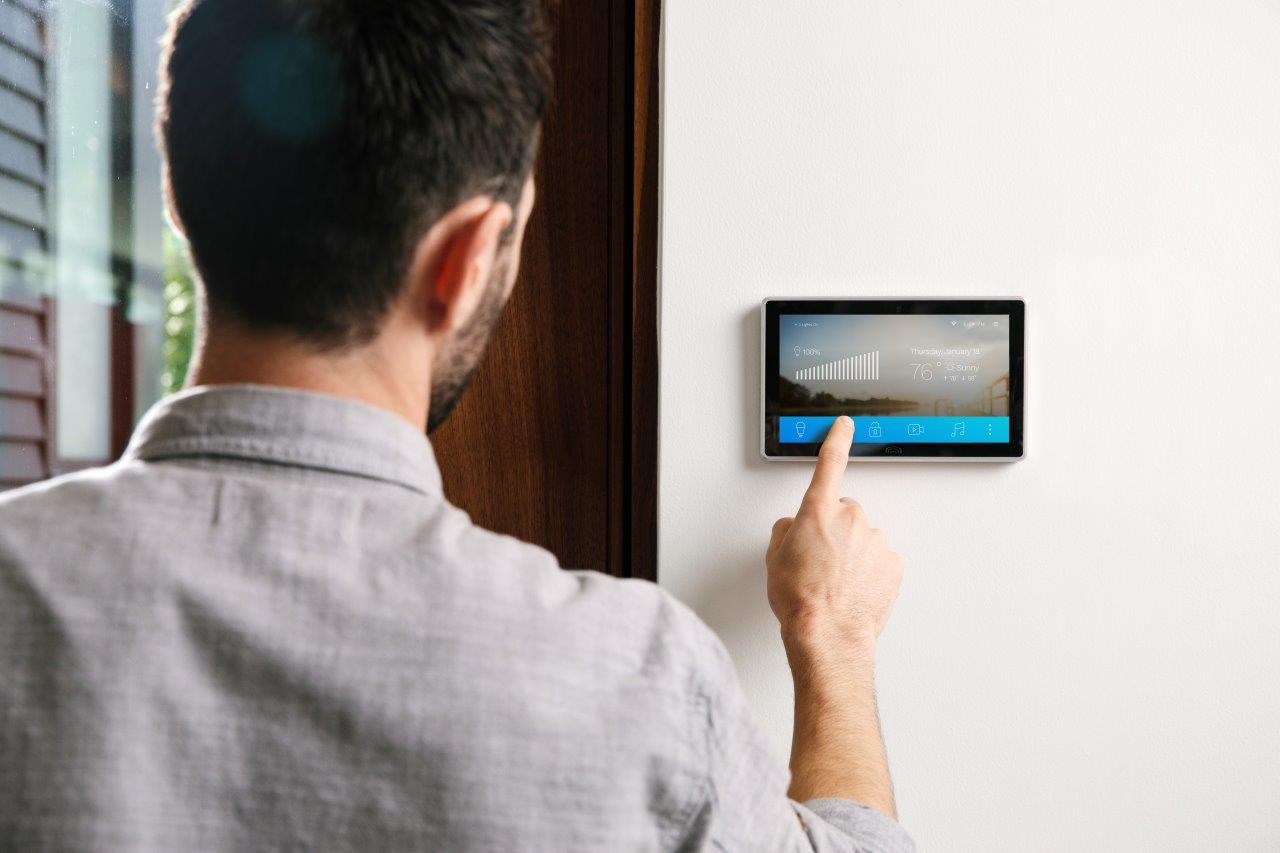
Connected homes refer to residences equipped with smart devices and systems that communicate through a central hub or network, usually powered by the Internet of Things (IoT). These devices include smart lighting, thermostats, security systems, appliances, and entertainment setups that can be managed remotely via smartphones, tablets, or voice assistants.
Unlike traditional homes, connected homes offer integrated solutions that respond intelligently to user behaviors. For example, your lights can turn on automatically when you arrive, the thermostat can adjust to your preferred temperature, and smart locks can ensure safety-all without requiring manual input.
Benefits of Connected Homes
Energy Efficiency and Cost Savings
Connected homes play a critical role in reducing energy consumption. Smart thermostats, lighting systems, and appliances can optimize usage by monitoring patterns and adapting automatically. This results in lower energy bills while contributing to a more sustainable lifestyle.
For instance, connected lighting can turn off when no one is in a room, and thermostats can reduce heating or cooling when you’re away. Over time, these savings are substantial, making connected homes both eco-friendly and cost-efficient.
Enhanced Security and Peace of Mind
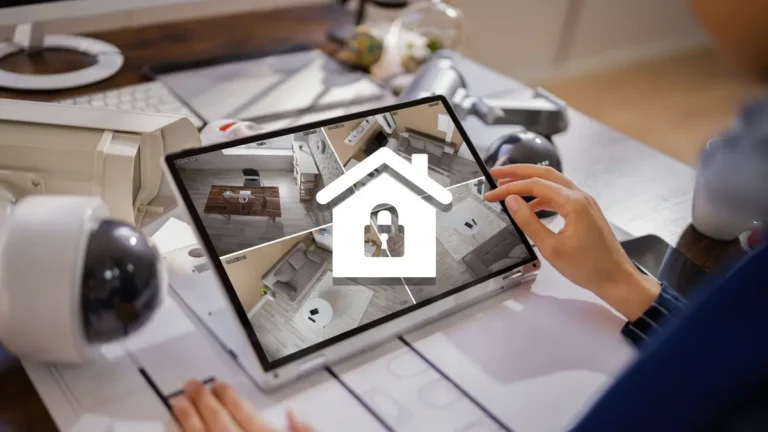
Security is one of the strongest motivators for adopting connected home technologies. Smart locks, video doorbells, motion detectors, and connected cameras allow homeowners to monitor their property in real time. Alerts can be sent directly to smartphones, ensuring quick responses to potential threats.
These tools not only protect against break-ins but also provide peace of mind for families. Parents can monitor their children arriving home, while travelers can keep track of their property from anywhere in the world.
Convenience and Lifestyle Integration
Connected homes simplify daily routines by automating repetitive tasks. Voice assistants can set reminders, play music, or adjust room settings, while smart appliances take over tasks such as preheating ovens or starting washing machines.
This convenience is more than just a luxury-it improves time management and enhances the overall quality of life. The ability to control an entire home through a smartphone or voice command represents a significant shift in modern living standards.
Real-World Examples of Connected Home Technologies
1. Smart Thermostat (Google Nest)

Smart thermostats like the Google Nest Learning Thermostat are foundational to connected homes. They learn user behaviors, track energy usage, and adjust heating or cooling accordingly. Over time, they create customized schedules that maximize both comfort and energy efficiency.
This is relevant because climate control is a critical aspect of modern living. A thermostat that adapts intelligently not only saves money but also aligns with sustainable living practices.
2. IoT-Enabled Lighting Systems
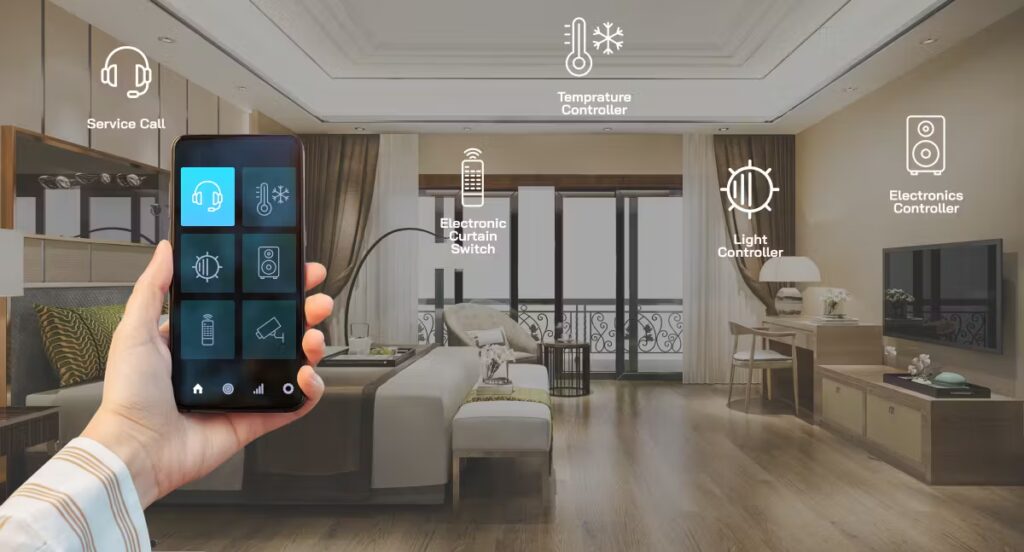
Smart lighting solutions such as Philips Hue provide adjustable lighting controlled via apps or voice commands. They can mimic natural light patterns, enhance moods, and turn on or off based on occupancy sensors.
These systems are highly relevant in connected homes because they combine ambiance, convenience, and efficiency. Lighting becomes more than illumination-it becomes an interactive part of the home environment.
3. Connected Home Security Solutions
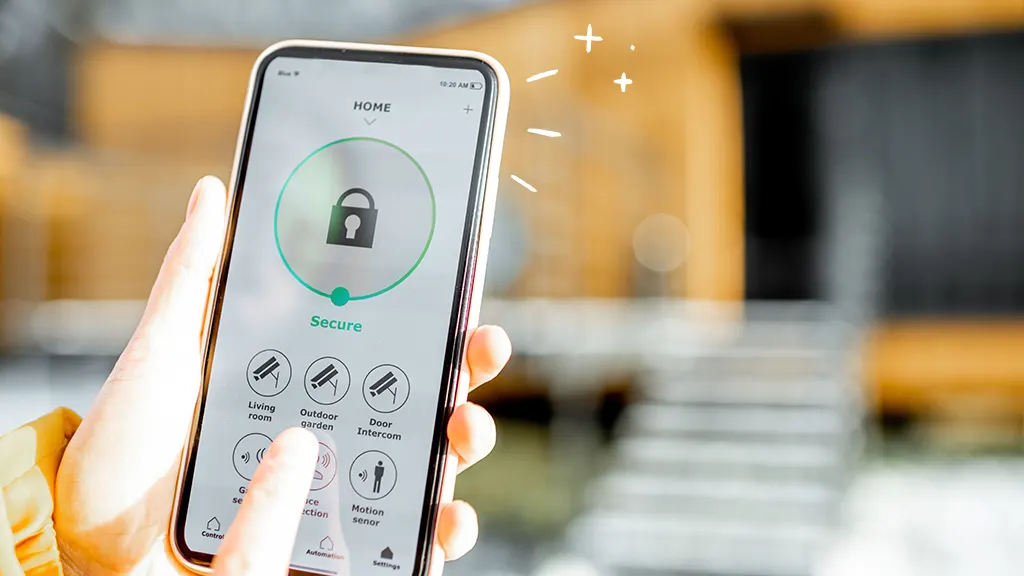
The Ring Video Doorbell exemplifies how connected technology strengthens home security. Video monitoring, two-way communication, and motion detection allow homeowners to interact with visitors or monitor suspicious activity remotely.
This product is relevant because safety is a primary concern in homeownership. IoT-enabled security provides reassurance, reduces risks, and enhances trust in the connected home ecosystem.
4. Smart Kitchen and Home Appliances
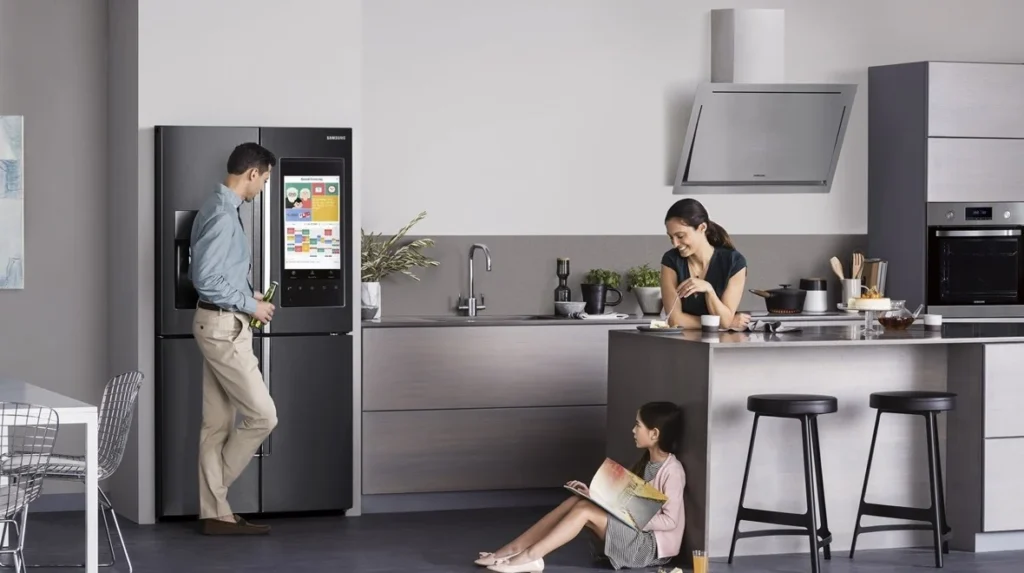
Connected appliances, such as the Samsung Family Hub refrigerator, integrate advanced features like inventory management, recipe suggestions, and touchscreen displays. These appliances connect with other smart systems to improve convenience and reduce waste.
The relevance lies in how connected homes extend beyond security and energy efficiency into lifestyle improvements. Smart appliances transform kitchens into intelligent hubs that support healthier, more organized living.
5. Voice-Controlled Smart Hubs
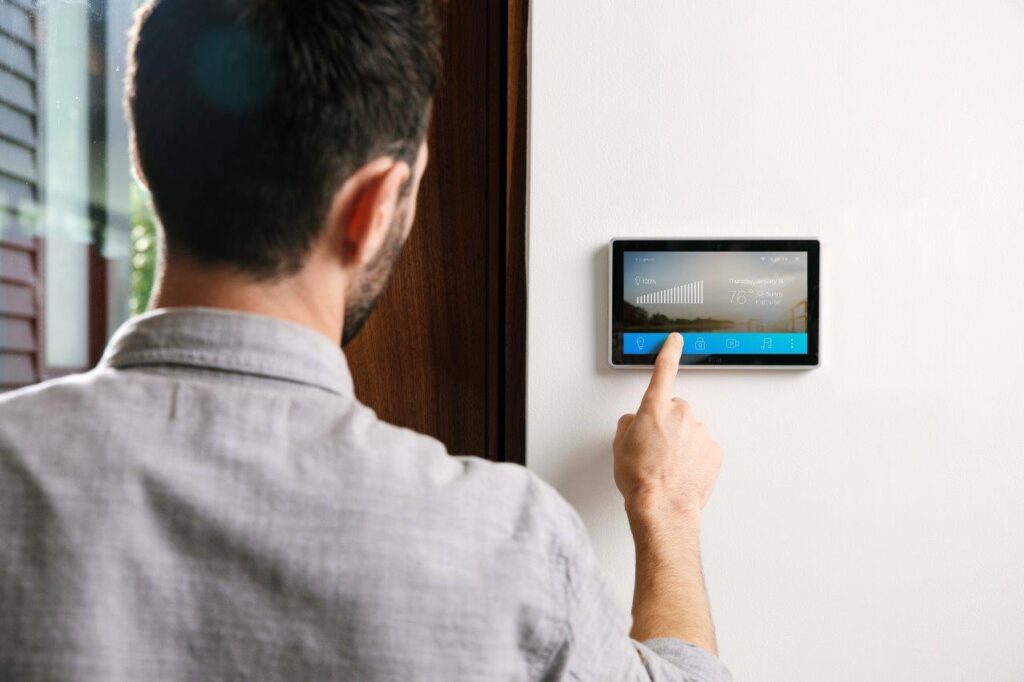
Amazon Alexa represents the central hub of many connected homes. It integrates various smart devices, allowing users to control lighting, security, entertainment, and appliances using simple voice commands.
This example is relevant because voice assistants bring all connected technologies together into a unified experience. They make managing a smart home effortless, intuitive, and accessible for all family members.
Use Cases of Connected Homes
Sustainable Living for Eco-Conscious Families
Families aiming for sustainability can benefit greatly from connected homes. Smart systems reduce unnecessary energy consumption and promote eco-friendly habits. A connected home might automatically reduce heating when no one is present or use AI to predict energy needs based on weather conditions.
This not only lowers costs but also supports global efforts toward reducing carbon emissions. For eco-conscious homeowners, connected homes represent a step toward a greener future.
Security Solutions for Urban Living
In cities, safety is a growing concern. Connected home security systems allow residents to monitor their property in real time, reducing vulnerabilities in urban environments. Motion detection, smart locks, and video surveillance improve personal safety while adding value to properties.
For urban professionals and families alike, this provides peace of mind and a sense of control over their environment.
Lifestyle Enhancement for Busy Professionals
Busy professionals often struggle with balancing work and home life. Connected homes simplify routines by automating daily tasks. Imagine arriving home to a well-lit environment with the thermostat already set to your preference and your favorite playlist ready to play.
This efficiency reduces stress and enhances relaxation, proving how connected homes directly improve lifestyles.
Why Connected Homes Represent the Future of Living
Connected homes are no longer a niche concept-they are fast becoming a standard in modern living. As IoT devices become more affordable and AI more advanced, the integration of connected systems will only grow.
The future of connected homes lies in full automation and interoperability, where devices not only connect but also anticipate needs without explicit commands. This will lead to homes that are not only smarter but also more intuitive and sustainable.
FAQ
Q1. Are connected homes difficult to set up?
While setup varies depending on the system, many connected devices are designed to be user-friendly. Voice assistants and central hubs simplify integration, making connected homes accessible to most households.
Q2. Can connected homes improve property value?
Yes, they are increasingly attractive to buyers and renters. Features like smart security, energy-efficient systems, and modern appliances increase property desirability and long-term value.
Q3. Are connected homes secure from cyber threats?
Like any internet-connected system, it faces potential risks. However, most manufacturers provide encryption and regular updates. Homeowners can further improve security by using strong passwords and secure networks.