Solar Powered Homes A Complete Guide to Sustainable Living and Renewable Energy Benefits
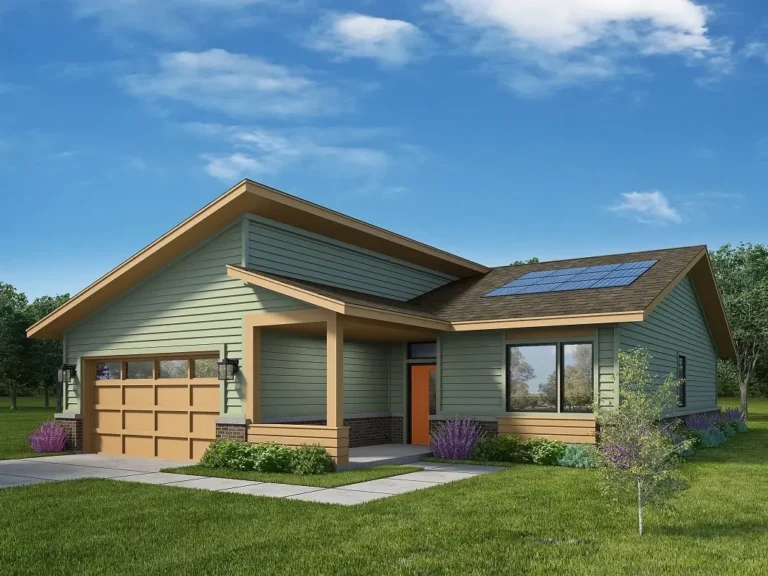
Solar-powered homes are residential properties designed to generate electricity through solar energy systems. By integrating photovoltaic (PV) panels, battery storage solutions, and energy-efficient designs, these homes significantly reduce reliance on fossil fuels while promoting sustainable living.
As climate change and rising energy costs become major concerns, solar-powered homes represent a practical solution for environmentally conscious homeowners. They not only reduce carbon footprints but also provide long-term financial savings and energy independence. Governments worldwide are encouraging the shift by offering incentives, which further accelerate their adoption.
Why SSolar-PoweredHomes Are Becoming Popular
The popularity of solar-powered homes is increasing because they address two of the biggest challenges of modern living: energy sustainability and cost management. Families and individuals are becoming more aware of the need for renewable energy solutions, and solar is one of the most accessible technologies available today.
Additionally, technological advancements in solar panel efficiency, smart home integration, and energy storage have made solar-powered homes more reliable and appealing. Homeowners are no longer limited to just daytime solar use-they can now store excess energy and power their homes even after the sun sets.
Key Features of Solar-Powered Homes
Photovoltaic Panels
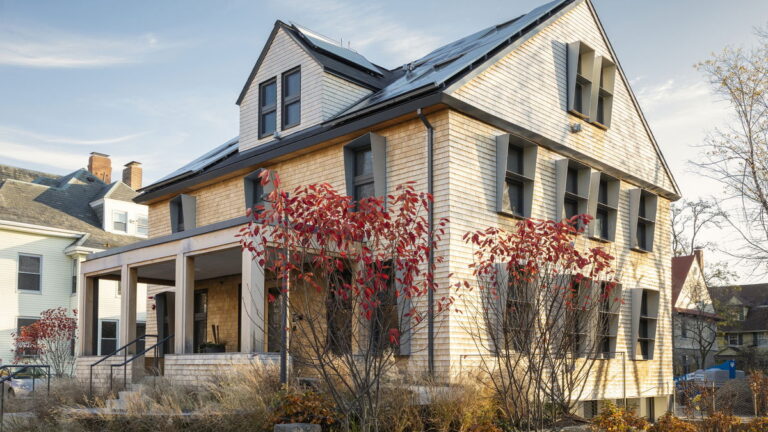
PV panels are the backbone of solar-powered homes. They capture sunlight and convert it into electricity, reducing reliance on traditional power grids. Modern panels are more durable, efficient, and aesthetically integrated into home designs.
Battery Storage Systems
To maximize solar energy, many solar-powered homes include battery storage. These systems allow homeowners to store excess energy during the day and use it at night or during cloudy weather. This increases energy independence and reliability.
Smart Energy Management
Advanced solar-powered homes often feature smart systems that monitor and optimize energy usage. These technologies help balance consumption, reduce waste, and ensure efficiency, allowing homeowners to make data-driven decisions about their energy use.
Real-World Examples of Solar-Powered Homes
1. Tesla Solar Roof Homes in California

California is one of the leading regions for solar adoption. Homes equipped with Tesla Solar Roofs combine functionality with modern aesthetics. The solar tiles blend seamlessly with traditional roofing materials, offering a clean look while generating renewable energy.
These homes often include Powerwall battery systems, enabling families to store energy for use during blackouts or peak demand hours. The combination of stylish design, strong energy output, and independence from the grid makes them a popular choice.
2. Passive Solar Homes in Germany
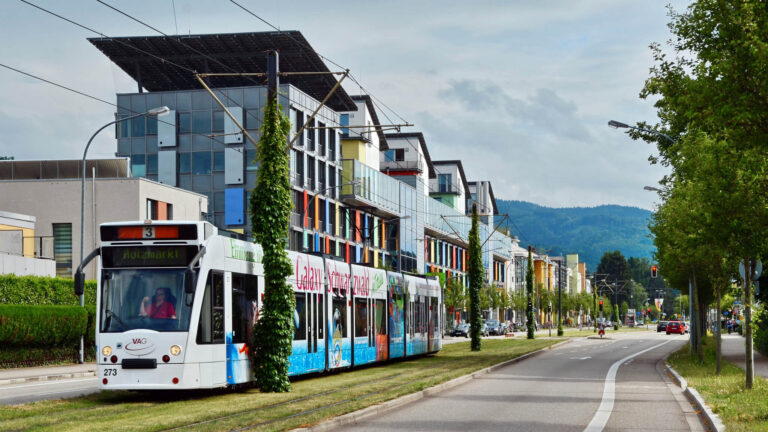
Germany is known for its leadership in renewable energy, and many residential projects emphasize passive solar design. Homes in cities like Freiburg utilize large south-facing windows, high-quality insulation, and integrated solar panels.
The result is a highly energy-efficient home that reduces heating costs in winter while maximizing natural light. These homes demonstrate how solar power can be combined with architectural principles to achieve near-zero energy consumption.
3. Solar Villages in India
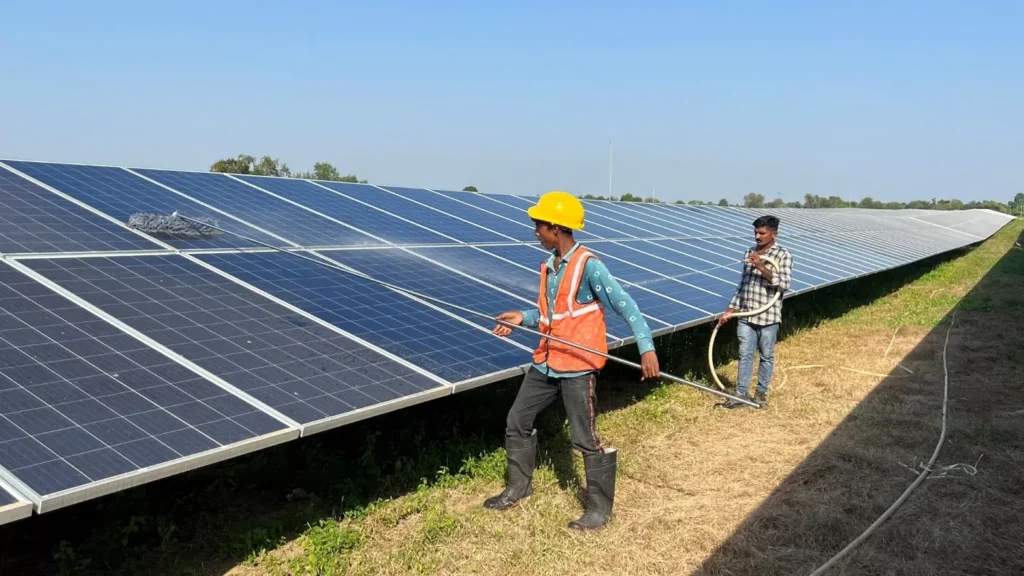
In rural India, solar-powered homes are transforming communities. Villages equipped with solar panels on rooftops provide electricity to households that previously had no reliable access to power.
These homes typically use smaller solar systems paired with battery banks to power essential appliances, lighting, and water pumps. Beyond sustainability, they improve quality of life by enabling education, communication, and productivity.
4. Net-Zero Homes in Australia
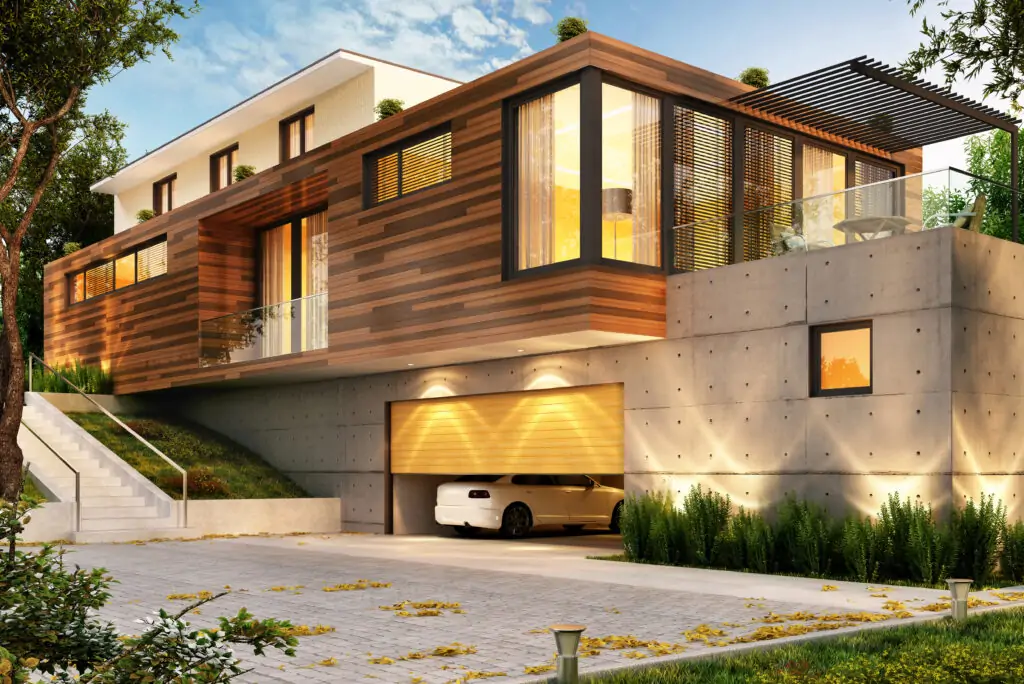
Australia has seen a surge in net-zero homes, where solar panels combined with storage solutions generate enough energy to meet or even exceed a household’s yearly consumption.
Such homes not only power daily needs but often contribute excess electricity back to the grid. This creates an additional financial benefit while supporting the country’s renewable energy goals.
Benefits ofSolar-Poweredd Homes
Environmental Benefits
The most significant advantage of solar-powered homes is their positive impact on the environment. By replacing fossil fuel-based electricity with clean energy, they significantly reduce greenhouse gas emissions and reliance on non-renewable resources.
Financial Savings
Although installation can be a large upfront investment, solar-powered homes save money in the long run. Reduced energy bills, incentives, and the potential to sell excess energy make them financially attractive.
Energy Independence
With solar panels and battery storage, homeowners are less dependent on unstable grids and rising energy prices. This independence ensures consistent access to power even during outages or energy crises.
Technology Enhancing Solar-Powered Homes
Technology plays a crucial role in advancing solar-powered homes. Innovations such as bifacial solar panels, which capture sunlight from both sides, have improved efficiency. Battery technologies, including lithium-ion and solid-state storage, have increased energy retention and reliability.
Additionally, smart grids and IoT-enabled devices allow real-time monitoring of energy use. Homeowners can track consumption through apps, automate systems to optimize energy, and even sell power back to the grid, making solar-powered living more intelligent and efficient.
Practical Use Cases of Solar-Powered Homes
Resilience During Power Outages
In regions prone to blackouts, solar-powered homes with storage systems can maintain a power supply. For example, during storm-related outages, these homes keep essential appliances running, ensuring safety and comfort.
Rural Electrification
For remote or rural areas without reliable grid connections, solar-powered homes provide sustainable access to electricity. They support education, healthcare, and economic activities in communities that previously lived without modern conveniences.
Reducing Urban Carbon Footprints
In cities, solar-powered homes contribute to lowering urban pollution. By reducing dependence on fossil fuels, they help combat smog, improve air quality, and promote healthier living environments.
FAQs about Solar-Powered Homes
Q1. Are solar-powered homes fully off-grid?
Not always. While some homes are designed to be completely off-grid, most combine solar power with grid connections and battery storage. This ensures a reliable energy supply even during extended periods of low sunlight.
Q2. How long do solar panels last on a home?
Modern solar panels typically last 25–30 years, with many still producing electricity beyond that period, albeit at reduced efficiency. Proper maintenance can extend their lifespan further.
Q3. Solar-powered homes increase property value?
Yes, homes with solar systems often have higher property values. Buyers see them as attractive because of reduced energy costs, sustainability benefits, and modern technology integration.