Residential Property Market Trends, Insights, and Real-World Examples in 2025
The residential property market is one of the most dynamic sectors of global real estate. It encompasses homes, apartments, and multi-family units that serve as living spaces for individuals and families. Unlike commercial real estate, the residential market is closely tied to population growth, urbanization, income levels, and government housing policies.
As of 2025, the residential property market is undergoing significant transformation. With rising housing demand in urban centers, affordability challenges, and the integration of technology, both buyers and investors are paying close attention to housing trends. Understanding how this market evolves provides valuable insights into long-term living solutions and financial opportunities.
What Defines the Residential Property Market?
The residential property market refers to all real estate transactions, developments, and investments related to housing. It includes single-family homes, duplexes, condominiums, and large apartment complexes. This market is influenced by key factors such as supply and demand, mortgage rates, government incentives, and consumer preferences.
Unlike commercial or industrial property, residential real estate directly impacts daily life. It is not just an investment-it represents shelter, security, and lifestyle. This dual nature makes the residential property market both an essential human need and a financial asset.
Why the Residential Property Market Matters
The residential property market plays a central role in economic growth. Housing represents one of the largest expenses for households, and it is also a major driver of wealth creation through equity and property appreciation.
For governments, the housing sector impacts employment, construction, and banking systems. For individuals, it determines accessibility to safe and affordable homes. In essence, shifts in this market ripple through society, shaping financial stability, quality of life, and urban development.
Key Benefits of Understanding the Residential Property Market
Better Investment Decisions
For investors, knowledge of the residential property market enables smarter decision-making. By tracking trends in property prices, rental demand, and demographic shifts, they can identify areas with strong growth potential.
This reduces risks associated with real estate investments and improves long-term returns. Whether purchasing for rental income or capital appreciation, understanding market dynamics is essential.
Improved Affordability Planning for Families
For families, monitoring the residential property market helps them plan when and where to buy. They can take advantage of government housing schemes, mortgage rate adjustments, and new community developments.
This knowledge empowers households to secure affordable homes that meet both budget and lifestyle needs.
Supporting Urban Development
Developers and governments also benefit from studying residential market trends. It allows them to forecast housing needs, prevent shortages, and design communities that balance sustainability with affordability.
By doing so, they can ensure housing availability keeps up with population growth.
Real-World Examples in the Residential Property Market
1. Affordable Housing Projects in New Delhi, India

New Delhi has witnessed massive population growth, driving the need for affordable housing projects. Government initiatives such as subsidized housing schemes have supported low- and middle-income families in securing homes.
These projects reflect how the residential property market adapts to socio-economic realities, ensuring access to housing while stabilizing urban growth.
2. Luxury Apartment Developments in Dubai, UAE

Dubai represents the premium segment. Its luxury apartment towers include world-class amenities such as private pools, concierge services, and high-end smart home systems.
These developments attract international investors and affluent residents, positioning Dubai as a global hub for luxury housing. They highlight how residential property markets cater to different demographics across the globe.
3. Suburban Housing Expansion in Dallas, USA

Dallas has seen rapid growth in suburban housing. Rising costs in city centers have pushed families to explore suburban markets, where larger homes and community-focused developments are more affordable.
This trend reflects how residential property markets shift in response to affordability and lifestyle preferences. Suburban growth is also supported by improved transport links, making commuting easier.
4. Eco-Friendly Housing in Stockholm, Sweden
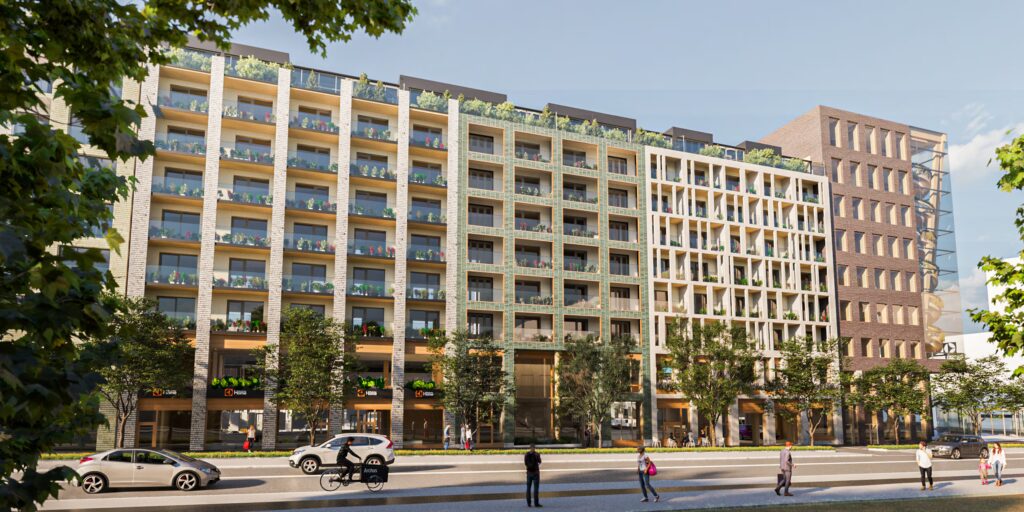
Stockholm is leading in sustainable housing. Residential projects here incorporate energy-efficient construction, renewable energy sources, and eco-conscious community designs.
These developments cater to environmentally aware buyers and renters, showing how it integrates sustainability into its long-term vision.
Practical Use Cases of the Residential Property Market
Addressing Housing Affordability
The residential property market helps solve affordability challenges by offering diverse housing options. From government-subsidized homes to shared living spaces, the sector adapts to meet demand across income levels.
Supporting Workforce Mobility
As businesses expand, workers need housing near employment hubs. Residential markets respond by developing apartments and rental properties close to economic centers, reducing commuting times and boosting productivity.
Building Intergenerational Wealth
Owning residential property allows families to build equity and pass assets to future generations. This use case highlights why real estate remains one of the most stable forms of investment.
Enhancing Quality of Life
By providing safe, well-designed, and accessible housing, it enhances community well-being. Neighborhoods with schools, parks, and healthcare facilities create sustainable urban ecosystems.
Technology’s Role in the Residential Property Market
Smart Home Integration
Smart home technology has become a selling point in modern housing. Automated lighting, climate control, and security systems not only improve comfort but also add value to residential properties.
These features attract tech-savvy buyers while also helping reduce energy consumption, aligning with sustainability goals.
Digital Real Estate Platforms
Technology has revolutionized how people interact. Online platforms allow buyers and renters to explore listings, take virtual tours, and analyze property data without visiting in person.
This accessibility streamlines the search process, making the market more transparent and efficient.
Data Analytics for Market Forecasting
Developers and investors increasingly use data analytics to track market trends. From predicting demand to identifying investment hotspots, technology provides actionable insights that drive smarter housing strategies.
Frequently Asked Questions
Q1. What factors influence the residential property market the most?
Key factors include supply and demand, interest rates, population growth, government housing policies, and economic stability. Local infrastructure developments also play a major role in shaping property values.
Q2. How does technology affect the residential property market?
Technology improves transparency and efficiency. From smart homes to digital platforms and predictive analytics, it enhances how people buy, sell, and live in residential properties.
Q3. Is the residential property market a good investment in 2025?
Yes, the residential market remains one of the most resilient investment options. While trends vary by location, demand for housing continues to grow globally, offering opportunities for both long-term capital appreciation and steady rental income.