Modern Smart Houses Features, Benefits, and Real-World Examples for Smarter Living
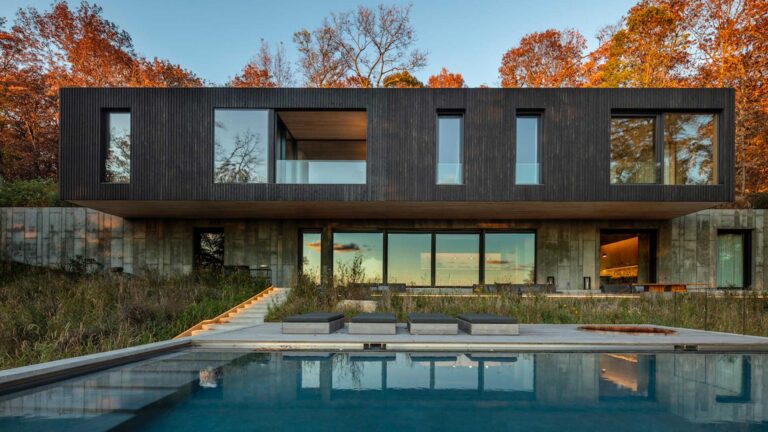
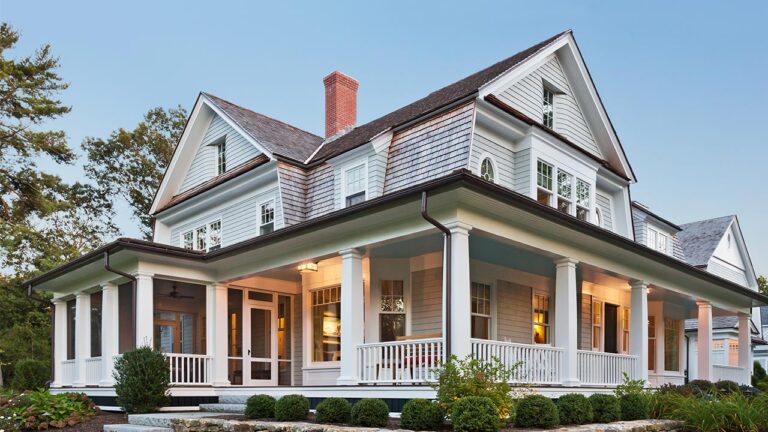
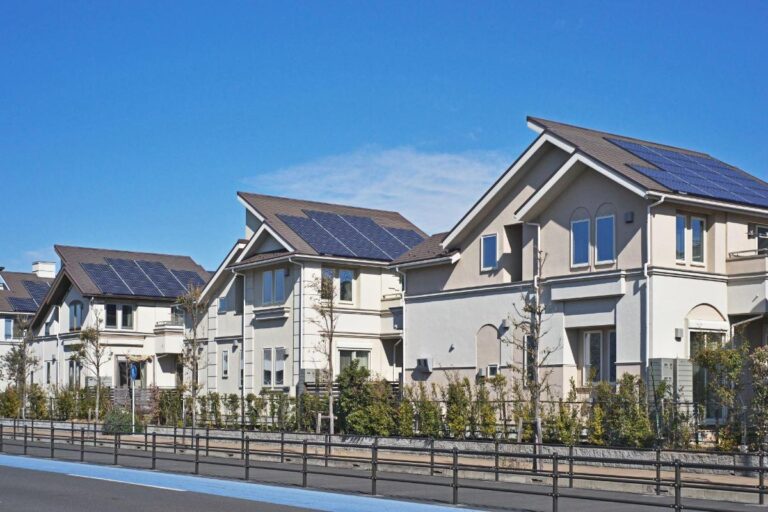
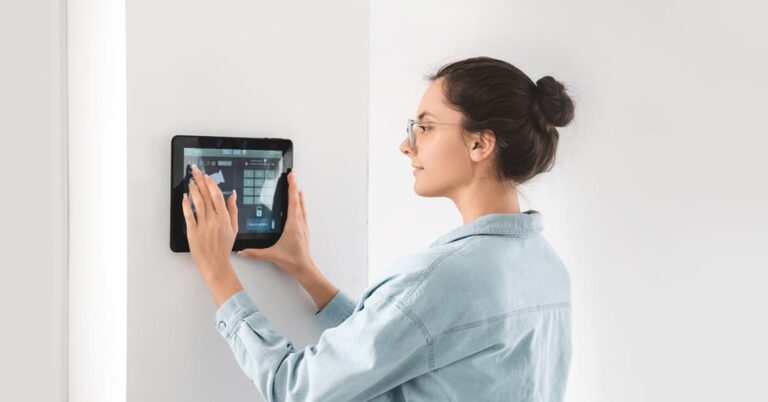
Modern smart houses are technologically advanced homes designed to integrate automation, connectivity, and energy efficiency into daily living. These houses go beyond traditional structures by combining intelligent devices such as smart thermostats, automated lighting, advanced security systems, and voice assistants to create a fully connected environment.
Unlike earlier smart homes, modern smart houses are built with technology as a core foundation, not just as an add-on. Developers and homeowners design these properties with built-in connectivity, IoT (Internet of Things) infrastructure, and sustainable systems to meet the growing demand for efficient, safe, and convenient living spaces.
Why Modern Smart Houses Are Becoming Popular
The rapid growth of urban populations, rising energy costs, and the increasing importance of security are driving interest in smart houses. People want homes that simplify daily tasks, reduce expenses, and provide peace of mind.
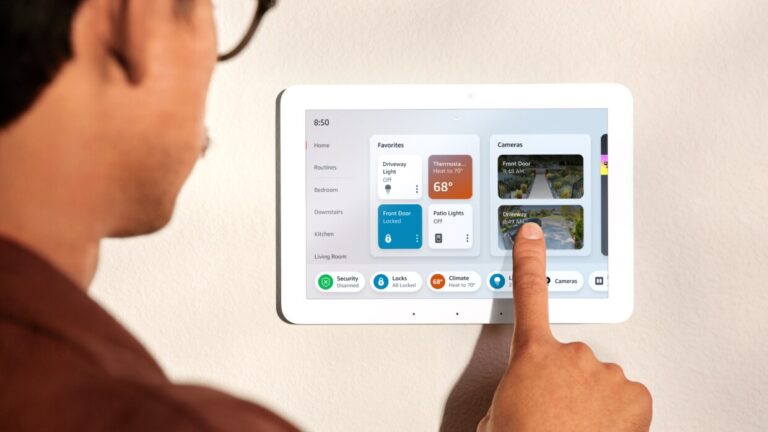
Modern smart houses achieve this by offering automated control over energy consumption, advanced surveillance for security, and smart appliances that make life easier. For families, young professionals, and retirees alike, these homes offer solutions tailored to diverse lifestyles.
Core Features of Modern Smart Houses
Smart Security Systems
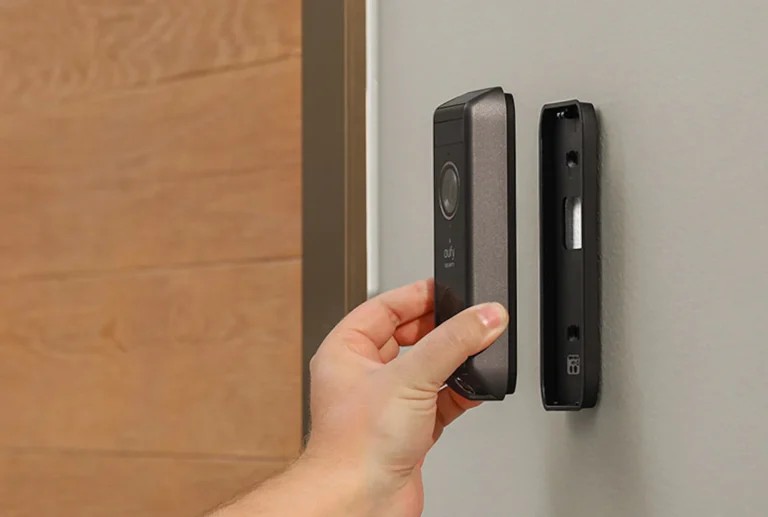
Security remains a top priority in modern housing. Smart houses incorporate surveillance cameras, smart locks, and motion detectors that can be managed remotely. Residents can monitor entrances, receive alerts, and even communicate with visitors from anywhere in the world.
These security systems also integrate with community infrastructure in gated neighborhoods, ensuring both personal and communal safety. Smart alarms and video doorbells have made it easier than ever to deter potential intruders and increase residents’ confidence in their home environment.
Energy Efficiency and Sustainability
Modern smart houses focus heavily on energy-efficient designs. From smart thermostats that regulate temperature based on usage patterns to solar panel systems integrated with energy monitoring tools, these homes reduce unnecessary consumption.
Automated lighting systems also contribute by adjusting brightness based on natural daylight. Together, these features not only save money but also support global efforts to reduce carbon emissions, making smart houses attractive for eco-conscious buyers.
Real-World Examples of Modern Smart House Technology
1. Nest Learning Thermostat
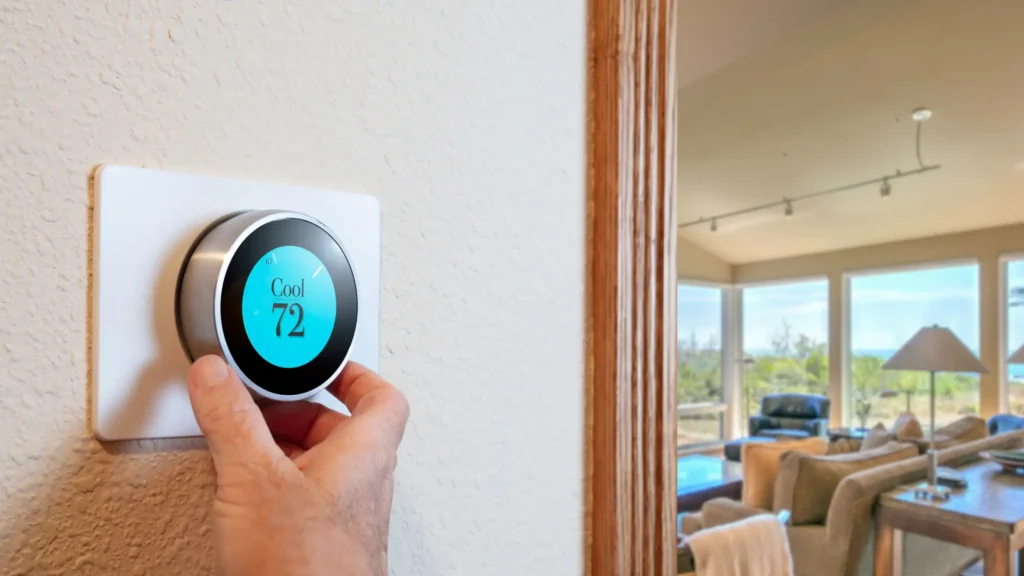
The Nest Learning Thermostat is a flagship example of energy-efficient technology in modern smart houses. It adapts to residents’ routines, adjusting heating and cooling automatically for comfort and savings. Over time, it builds a schedule that maximizes efficiency without compromising convenience.
In a modern smart house, the Nest connects with other devices like smart blinds and lighting, providing a holistic energy management solution. It has become one of the most trusted smart energy tools globally.
2. Ring Video Doorbell
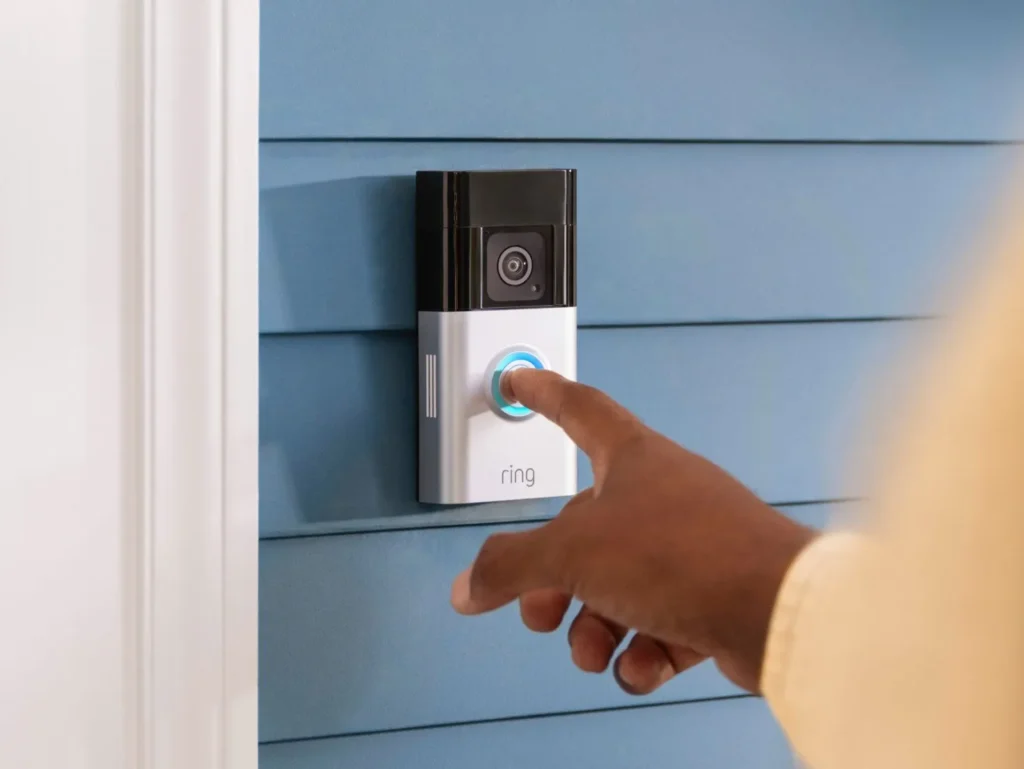
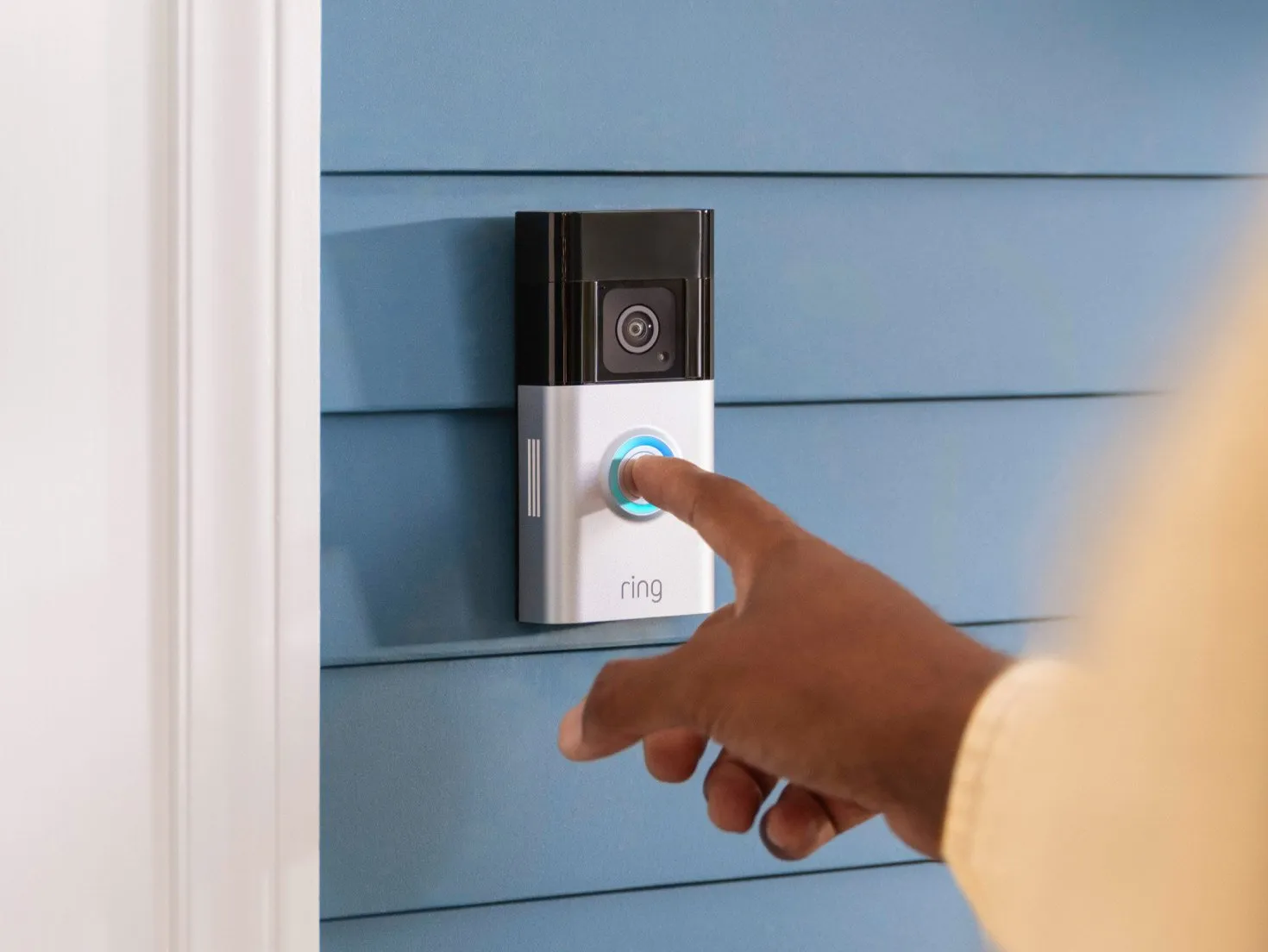
The Ring Video Doorbell has transformed residential security in modern smart houses. It enables homeowners to view and interact with visitors via their smartphone, whether they are inside the house or miles away. Motion detection and high-definition video ensure constant monitoring.
Ring devices also integrate with broader smart ecosystems, making them a central component of modern home security. They are particularly useful for families and professionals who prioritize peace of mind while managing busy schedules.
3. Philips Hue Smart Lighting
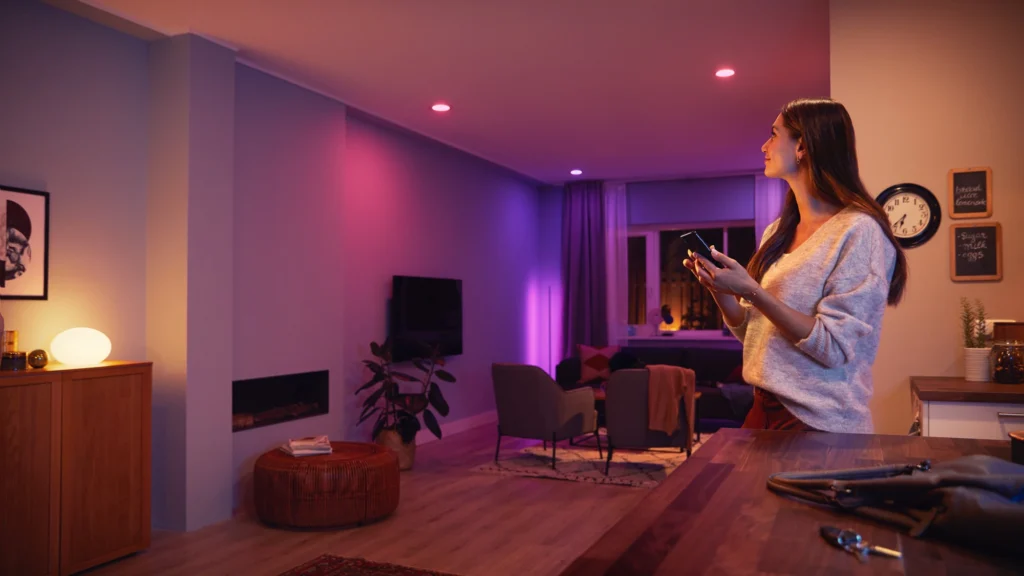
Philips Hue lighting systems give homeowners unprecedented control over indoor and outdoor lighting. With app-based or voice-command controls, residents can change brightness, color, and scheduling to match moods or activities.
In modern smart houses, these lighting systems extend to gardens, driveways, and entertainment rooms. They contribute both to energy efficiency and the creation of personalized environments for relaxation or productivity.
4. Yale Smart Lock
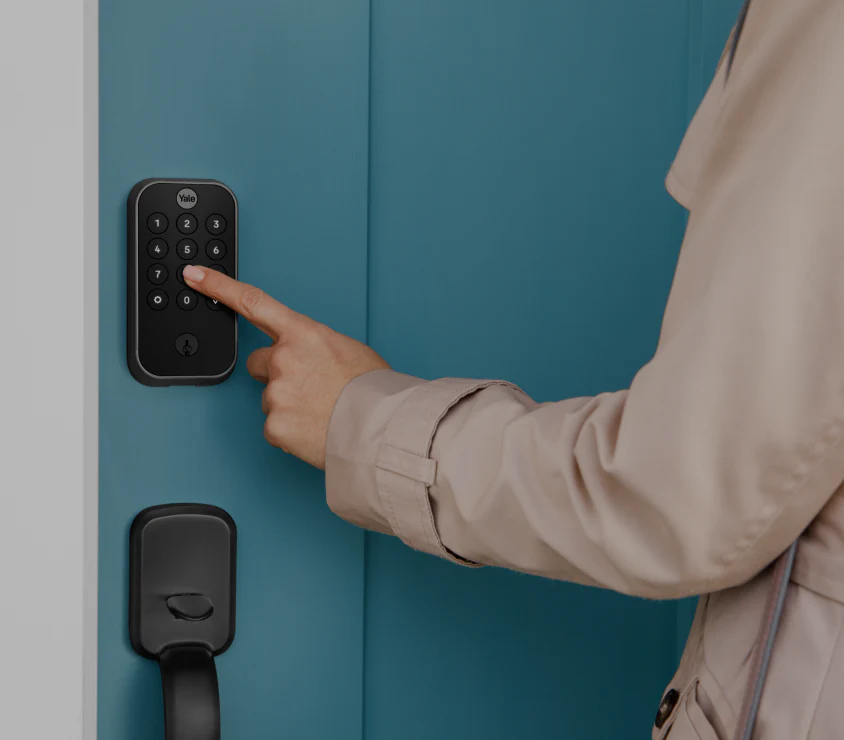
Yale Smart Locks provide a seamless, keyless entry system for modern smart homes. Residents can unlock doors using PIN codes, mobile apps, or biometrics, eliminating the need for traditional keys.
For families, Yale locks make it easier to grant temporary access to guests or service providers, while ensuring security remains intact. They integrate with other smart devices, creating a cohesive and secure living ecosystem.
5. Amazon Alexa and Google Home Assistants
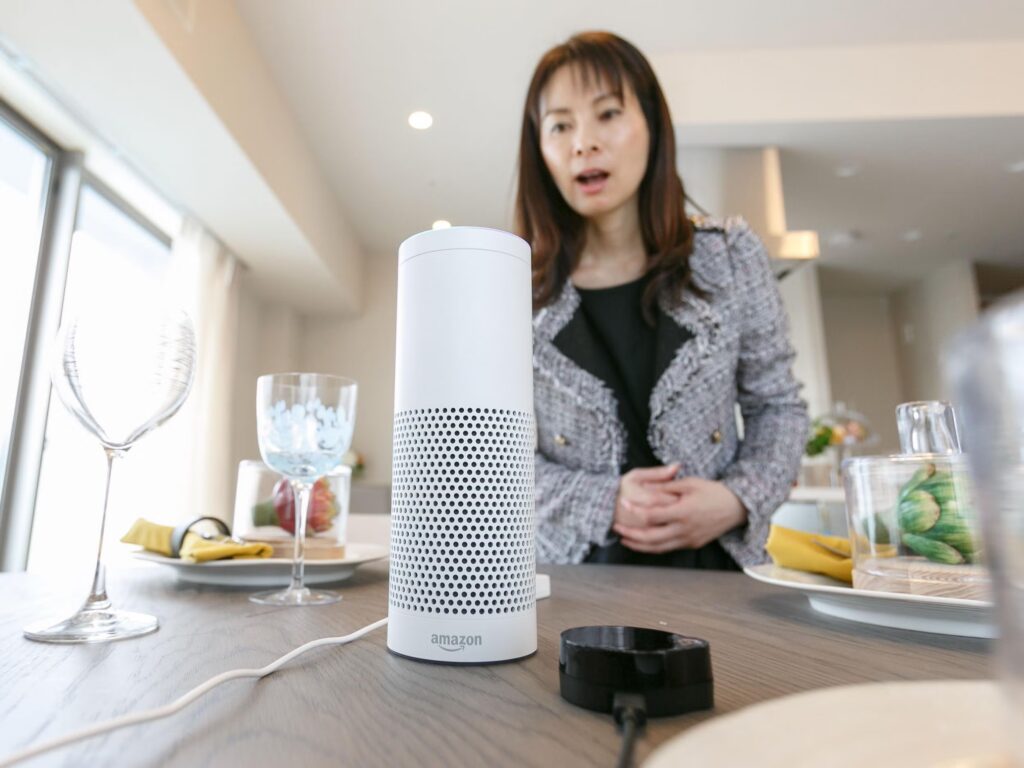
Voice assistants like Amazon Alexa and Google Home serve as the central hub for modern smart homes . They allow residents to control multiple devices with voice commands—from adjusting thermostats to locking doors and playing music.
These systems simplify technology management and make connected living accessible to everyone in the household, regardless of technical expertise. Their ability to integrate with thousands of devices makes them indispensable in modern smart houses.
Benefits of Modern Smart Houses
Modern smart houses offer a wide range of benefits that enhance everyday living.
First, they provide improved safety and security. With integrated surveillance, smart locks, and real-time monitoring, homeowners can enjoy peace of mind whether at home or away.
Second, they deliver significant energy savings through automation and efficient appliances. This makes living not only cost-effective but also environmentally responsible.
Third, they increase comfort and convenience by automating repetitive tasks, such as adjusting lights or managing appliances. Residents can customize living environments to suit their personal preferences with minimal effort.
Lastly, they boost property value. In today’s real estate market, smart-enabled homes are more attractive to buyers, renters, and investors who view technology integration as a long-term benefit.
Practical Use Cases of Modern Smart Houses
Modern smart houses are designed to solve everyday challenges.
For busy professionals, remote-controlled security and climate systems ensure peace of mind during long work hours. They can monitor their property and prepare the home environment before returning.
For families, features like video doorbells, smart locks, and automated lighting create a safer and more convenient environment. Parents can check in on children and ensure the home remains secure at all times.
For elderly residents, voice assistants and automated systems make living easier and safer. These tools reduce reliance on physical effort while providing support for health and safety monitoring.
For investors, smart houses increase rental appeal. Tenants are drawn to properties equipped with modern technology, boosting rental yields and occupancy rates.
Frequently Asked Questions
Q1. Do modern smart houses require constant internet connectivity?
Yes, most devices in smart houses rely on internet connectivity for full functionality. However, many devices also include offline features for essential functions like security and lighting.
Q2. Are modern smart houses suitable for families with children?
Absolutely. Smart houses provide enhanced safety and convenience for families. Parents can monitor entrances, adjust climate, and control devices remotely, ensuring a secure and comfortable environment for children.
Q3. Are modern smart houses difficult to maintain?
While the technology requires occasional updates, it is designed for ease of use. Automated systems reduce manual effort, and most devices offer user-friendly apps or voice control for simple management.